

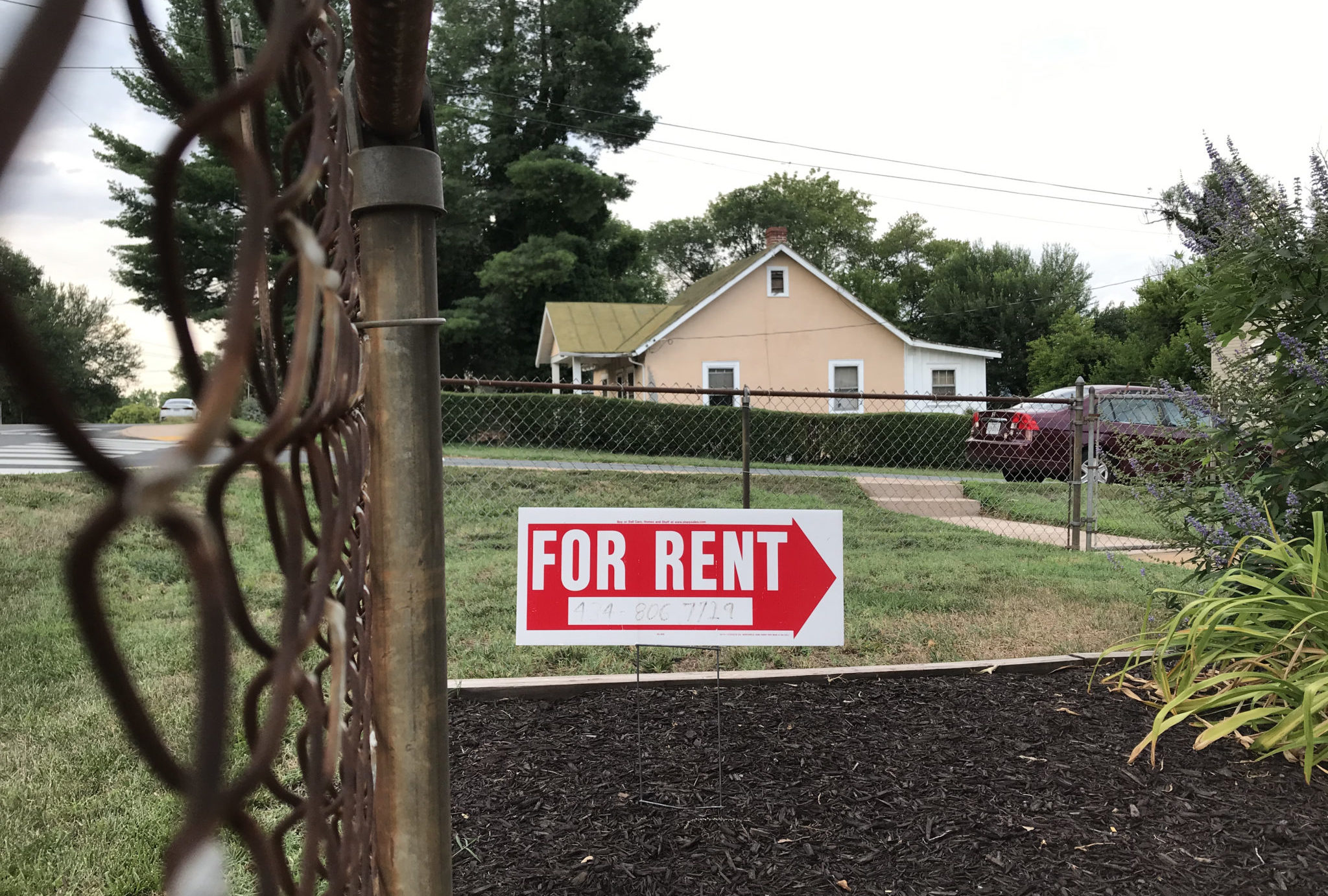
The City of Charlottesville is looking to expand its rental assistance program for seniors and people with disabilities, a program that has been shrinking as the city’s population has become younger and wealthier.
During last week’s Tuesday City Council meeting, Commissioner of the Revenue Todd Divers asked Council to make some changes to the longstanding program so that more people can access it, and get more assistance when they do.
“This is something that is probably overdue,” Divers said during the meeting. “I hear from a lot of folks in the community who’ve wanted this to happen for a while, but we just didn’t get our ducks in a row. We’re finally doing it.”
The city offers a couple different rent relief programs, including the Charlottesville Supplemental Rental Assistance Program (CSRAP) run with the Charlottesville Redevelopment and Housing Authority. But CSRAP is a much larger and broader program, than this one, which is specifically for seniors and people with disabilities who also have low incomes.
This form of rental assistance works like a grant program, where eligible households receive a check from the city to help with rent. Applicants must meet a few criteria to qualify, according to the program website. They must be either 65 or older or “permanently and totally disabled” as of Dec. 31 of the previous year. There are residency requirements, income and net worth limits, too, as well as a rent cap. Those whose rent is above the cap are still eligible, but their grant will be based on the rent maximum allowed by the program, not their actual rent.
In 2023, 216 households received assistance, Divers told Charlottesville Tomorrow in an interview after the Council meeting. But the program could be improved, he said.
“We wanted to make it a little more generous. We’ve heard from a lot of people that the $1,500 cap doesn’t go very far. And that’s probably true. But the biggest thing is administrative efficiency.”
Therefore, Divers’ request to Council is twofold:
- Increase the maximum grant amount from $1,500 to $2,000 per household;
- And tie the amount of money each household is eligible for to the maximum affordable rents determined by Median Family Income (MFI) for the area.
MFI is a number determined by the U.S. Office of Housing and Urban Development (HUD) and often used to set income limits for government assistance like housing subsidies. The city uses it to determine eligibility for the Homeowner Assistance and the Real Estate Tax Relief for the Elderly and Disabled, so it makes sense to use it for this program, too, said Divers.
Figuring out how much money each household gets takes a little bit of math. When the program was established in 1973, the city determined that seniors (and later, people with disabilities) shouldn’t be paying more than 24% of their income toward rent, so, for any amount they paid that was more than that, the city would pay 25% of that overage up to a certain amount, currently up to $1,500 per year.
- Apply for Charlottesville’s Rent Relief for the Elderly and Disabled program between March 1 and May 1. Apply on the program website, or in person at the Commissioner of the Revenue’s office in CitySpace, 100 Fifth St. NE on the Downtown Mall, next to the Market Street Parking Garage. It helps to call ahead to make sure someone is there to assist, Divers said: That number is 434-970-3160. The office is also available to answer questions via email at citycor@charlottesville.gov.
- Additionally, homeowners can apply for the city’s Real Estate Tax Relief for the Elderly and Disabled program now through April 1.
- The application period for the Charlottesville Homeowner Assistance Program is currently closed, but will open for two months in July (see the third tab on this page).
But the math isn’t the hard part. It’s the bureaucracy.
Currently, Divers has to ask Council for permission any time he wants to change the program parameters — which happens every year as rents and median household incomes go up. Tying the assistance to HUD’s MFI number, and not one determined by Council, would make that calculation automatic and remove some red tape.
These changes would make a few more people eligible for the program, but wouldn’t have massive effects on the budget, said Divers. Altogether, the program costs between $225,000 and $250,000 per year.
That’s cheaper than it was a decade ago, said Divers, when the program cost the city about $300,000. The reason? In recent years, fewer people are even eligible for the program in the first place. For instance, 261 households received assistance in 2022, compared with 216 in 2023. Charlottesville’s population is getting younger and there are fewer rental opportunities in the city overall, Divers said.

But that doesn’t make it any less important, Divers said. Along with other, similar programs, “it helps people stay in their homes, it helps people stay in Charlottesville. We want people to be able to live and work in the city, and not have to live out in the hinterlands and drive in. It’s really as simple as that.”
Tuesday night, the Council seemed ready to take action and approve Divers’ request. “I think it makes perfect sense,” said Councilor Michael Payne.
But because it was the first of two required readings, Council couldn’t vote on it yet. It’s now on the consent agenda for its March 4 meeting.