

In Virginia, Boards of Supervisors govern counties and its members are elected to four-year terms. Among other duties, they oversee the county budget, set tax rates, and approve zoning regulations. Albemarle County’s Board of Supervisors has six members, one for each district.
Democrat Fred Missel is an Adjunct Professor at the UVA School of Architecture and has served on the Planning Commission and Architectural Review Board in Albemarle County. He is running against Republican Scott A. Smith, a local businessman.
Charlottesville Tomorrow designed a questionnaire for Missel and Smith based on more than 160 responses we received to our voter survey.
Many Albemarle County residents who responded to our voter survey expressed concerns about the lack of affordable housing in the area. Meanwhile, others are concerned about the effects of residential development on the environment and rural character. How do you see this issue?
Frederick “Fred” A. Missel: Affordable housing and protecting Albemarle’s rural character are not competing goals. They must be addressed together through smart, balanced growth. Our Comprehensive Plan was designed to focus new housing and infrastructure within designated growth areas, while preserving the environments that define our county. I do not support sprawling into rural areas as a solution to affordability. It drives up transportation and infrastructure costs while threatening our natural resources. Instead, we should maximize opportunities in growth areas by encouraging mixed-use, walkable neighborhoods, streamlining the approval process for projects that include affordable units, and leveraging partnerships with nonprofits and the private sector. Done right, we can provide housing for families, seniors, and young professionals while keeping Albemarle’s rural heritage intact.
Scott A. Smith: Albemarle must balance the need for affordable housing with protecting the rural character that makes our community unique. I do not support unchecked expansion of growth areas, but I do support focusing housing projects near existing infrastructure, roads, and services. That way we avoid sprawl, protect farmland, and keep our environment strong. At the same time, we need to streamline the approval process for responsible projects, so families and working people can find a place to live without long delays or skyrocketing costs.
What do you think about local law enforcement working with Immigration and Customs Enforcement? And if the Albemarle Charlottesville Regional Jail is pressured to incarcerate detained immigrants for ICE, how would you respond?
Missel: Public safety in Albemarle must be rooted in fairness, trust and community relationships. I do not support local law enforcement acting as an extension of federal immigration enforcement. Our officers’ focus should be on protecting residents, solving crimes, and building trust, not creating fear among immigrant families who contribute to our community. When law enforcement is seen as tied to ICE, victims and witnesses are less likely to come forward, which makes everyone less safe. If the Albemarle-Charlottesville Regional Jail were pressured to hold detainees on ICE’s behalf, I would oppose that arrangement. We should not use local resources to enforce federal immigration policy, nor should we profit from incarceration contracts that divide families and undermine public safety.
Smith: Local law enforcement needs our support for keeping our community safe while addressing emerging drug, gang, and gun violence along with the property crime issues. We will follow the law and cooperate with local, state and federal law enforcement. Our primary focus should be ensuring that our tax dollars go toward improving community safety, tackling crime and making sure law enforcement has the tools they need. I recently did a Ride Along with the Albemarle County Police Department where I got a first hand view of the challenges that our officers face while protecting our streets, businesses and neighborhoods. My focus would be ensuring that the officers are equipped for the challenges that they face.
What is your position on data centers in Albemarle County?
Missel: Data centers are a growing part of Virginia’s economy, but Albemarle must approach them carefully. They bring tax revenue and can support innovation, but they also consume enormous amounts of energy, water, and land. My priority is to ensure that any proposed data center aligns with our environmental standards, and Comprehensive Plan. That means strict site review for noise, aesthetics and energy use, along with requirements for renewable energy and water conservation. If located, they must be within designated growth areas, with clear accountability measures. Thoughtful planning can balance innovation with Albemarle’s long-term environmental and fiscal stewardship.
Smith: Data centers can bring jobs and tax revenue, but they also raise major concerns about energy use, water demand, noise, lights and impacts on rural land. I do not support expanding “by right” permits for data centers. If a car repair shop must obtain a special use permit, then large-scale data centers should not bypass that same level of community review.
We must be cautious, because once these facilities are built, there is no “do over”. I would only support data centers if they are located in appropriate industrial zones away from residential areas, meet high environmental standards, and provide real benefits to taxpayers. One of my greatest concerns is water demand — many Albemarle families rely on wells* and septic systems, and water supplies can drop significantly during seasonal droughts. Adding the burden of massive industrial water use risks the long-term sustainability of our community. Albemarle should not sacrifice its rural character or natural resources for short-term gains.
Editor’s note: Also, as of 2016, 21-40% of the Albemarle County population (between 25,000 and 50,0000 people) use private wells, according to the Virginia Department of Public Health.
The assessed real estate values in Albemarle County are increasing. In general, do you support keeping the tax rate steady, or even increasing the rate, to collect more income for needed government projects? Or would you support lowering the tax rate to keep residents’ tax bills consistent?
Missel: I fully appreciate that assessments create real pressure on family budgets, and we must balance that with the need to fund schools, public safety, and infrastructure. I do not support raising tax rates simply because assessments increase — that would compound the burden. At the same time, lowering rates without careful analysis could jeopardize core services. My approach is to evaluate each budget cycle with a focus on fiscal stewardship: are we using taxpayer dollars wisely, measuring outcomes, and investing in priorities that matter most. If we can hold the rate steady while still meeting needs, that’s responsible. Residents deserve predictability, fairness, and confidence their taxes are well spent.
Smith: With real estate assessments rising, we need to be mindful that families and seniors are already stretched thin. I do not support raising the property tax rate on top of higher assessments. Instead, I would work to keep the rate stable or lower it where possible, so tax bills stay reasonable. Government should learn to live within its means, just like families do.
It is likely that in the future, Albemarle County might need to provide more funding for its public schools, as both state and local funding decrease. Do you support providing more funding to schools? And if so, how would you go about doing that while continuing to fund other needed priorities?
Missel: Strong public schools are essential to Albemarle’s future, both for our children’s success and for maintaining a vibrant local economy. I support providing the funding schools need to ensure safe facilities, competitive teacher pay, and high-quality programs. But meeting that need requires careful balance. We cannot simply raise taxes without accountability — we must ensure every dollar is used effectively and aligned with student outcomes. My approach is to prioritize schools within the budget process, evaluate programs for measurable impact, and look for efficiencies across county government. Partnerships with the private sector and UVA can also help expand opportunities without shifting the entire burden to taxpayers. Education is a top priority, but it must be funded in a way that is transparent, fair and fiscally responsible.
Smith: Strong schools are essential for our community, but we must fund them responsibly. I support prioritizing school funding while demanding accountability to ensure every dollar is spent wisely. To meet future needs, we should grow our local economy, through small business support and sensible development, so we have more revenue without raising taxes. We should redirect wasteful spending and focus on core priorities like education to make sure schools are supported without neglecting other services.
As federal social service programs also contract, what role, if any, do you see the county government playing in supporting folks who can no longer access these federal services?
Missel: When federal programs are cut by the current administration, local government often becomes the safety net of last resort. Albemarle cannot replace federal funding, but we can take smart, targeted steps to protect our most vulnerable neighbors. That means strengthening partnerships with nonprofits, faith communities, and UVA to leverage resources and avoid duplicating efforts. County government can play a coordinating role, identifying gaps, aligning local support, and ensuring services are accessible and equitable. Investments in affordable housing, workforce development, public health, and transportation all help families stabilize and thrive without requiring massive new programs. My approach would be to focus county dollars where they have the most impact, measure outcomes and ensure that when people fall through the cracks, Albemarle helps them land on their feet.
Smith: If federal programs shrink, the county must be careful not to take on expensive new obligations we cannot sustain. Instead, we should strengthen partnerships with nonprofits, churches, and community groups already doing great work. County government can play a supportive role by coordinating services and connecting people to resources without creating large new bureaucracies.
Albemarle County has and could face challenges from severe weather events, including heavy rainstorms and prolonged droughts that scientists predict will become more frequent in the future. What do you think the county’s Board of Supervisors should do to prepare?
Missel: Climate resilience is no longer optional — it’s essential for Albemarle’s future and it is science. Severe weather threatens our farms, roads, streams, and neighborhoods, and the Board of Supervisors must lead with proactive planning. That starts with strengthening stormwater infrastructure, protecting riparian buffers, and promoting green infrastructure that manages runoff naturally. We should also update building and zoning standards to ensure new development is resilient to flooding and heat, while discouraging sprawl that increases vulnerability. Drought planning is equally critical, conserving water, supporting agricultural best practices, and coordinating with regional partners on long-term supply. Finally, the county must integrate climate projections into the Comprehensive Plan and Capital Improvement Program, ensuring every dollar spent today reduces risks tomorrow. Smart, science-based investment now will save lives, property,and resources later.
Smith: Albemarle has seen flooding and storms that disrupt daily life. The county should invest in infrastructure like better stormwater systems and road improvements, while also supporting emergency preparedness programs for families. We shouldn’t be approving projects in flood plains. Planning for resilience now will save taxpayer dollars later. Protecting rural land and forests also helps us absorb heavy rains and keep our environment healthy.
Are there any other pressing issues facing Albemarle County that you think voters should know about?
Missel: Yes. In addition to housing, schools, and growth management, Albemarle faces challenges that deserve more attention. Transportation and road safety remain critical — especially in the Samuel Miller District, where rural roads and growth pressures create real risks. We must improve traffic flow, expand multimodal options, and ensure safe routes to schools. Another pressing issue is fiscal stewardship: taxpayers deserve confidence that every dollar is spent wisely, with measurable results and accountability. We also need to invest in broadband access, which is essential for education, business and health care, particularly in underserved areas. Finally, preserving Albemarle’s rural character while planning for smart, balanced growth will shape the county for decades. These interconnected issues require thoughtful leadership, long-term planning, and transparent decision-making.
Smith: One pressing issue is government accountability and transparency. Too often, decisions are made without enough community input or clarity about the long-term impact. As Supervisor, I would push for open communication, regular updates, and making sure citizens’ voices are heard before big decisions are made. Albemarle residents deserve leadership that listens first and acts with common sense.
In order to be a voice for the district, it is also important that Supervisors are free to represent their districts without conflicts of interest. When officials must recuse themselves from key votes because of their employment or financial ties, the people they represent lose their voice on important issues. I have no such conflicts and would be able to fully participate in all decisions, ensuring that the Samuel Miller District is never left without representation when it matters most.
More about the candidate and issues
- A report about Democrats fundraising statewide, and Fred Missel locally (WINA, Sept. 16, 2025)
- Missel’s campaign contributions, from the Virginia Public Access Project
- Smith’s campaign contributions, from the Virginia Public Access Project
- A report about the Albemarle County Board of Supervisors candidates (NBC29, May 28, 2025)
- A report about the contested Board of Supervisors race (CVILLE Weekly, May 2, 2025)
- Another report about the contested Board of Supervisors race (Daily Progress, May 27, 2025, paywall)
- A report with a Q&A with the candidates (Crozet Gazette, Sept. 6, 2025)
- A report about Scott Smith running for the Board of Supervisors (WINA, May 12, 2025)
- A report about Scott Smith announcing his candidacy (CBS19, Apr. 30, 2025)
- Missel outraises Smith in Albemarle’s only contested Supervisor race (Information Charlottesville, Sept. 17, 2025)

Here are key dates and deadlines in the 2025 elections
| Friday, May 2, 2025 | Early voting for primaries begins weekdays at local registrar’s offices. |
| Tuesday, May 27, 2025 | Deadline to register to vote or update an existing registration for the primary election. You can still vote in the primary if you miss this deadline by registering at the polling place and casting a provisional ballot. You do not have to be a member of a political party to vote in that party’s primary election. However, you can only vote in one party’s primary election each year. |
| Friday, June 6, 2025, 5:00 p.m. | Deadline to apply for your ballot to be mailed to you. Requests must be received by your local registrar’s offices by 5 p.m. |
| Friday, June 6, 2025, 5:00 p.m. | Deadline to apply online for an absentee ballot using the Citizen Portal. |
| Saturday, June 7, 2025 | Local voter registration offices open on Saturdays for early voting for primaries. |
| Saturday, June 14, 2025, 5:00 p.m. | Early voting for primaries ends at local registrar’s offices. |
| Tuesday, June 17, 2025 | Primary Election Day! |
| Friday, Sept. 19 to Saturday, Nov. 1, 2025 5:00 p.m. | Check with your local registrar’s office for early in-person voting. |
| Friday, Oct. 24, 2025, 5:00 p.m. | Deadline to apply with your local registrar’s office for a ballot to be mailed to you. |
| Tuesday, Nov. 4, 2025 | Election Day! |
We will update this list periodically as deadlines approach or we receive new information.
Register to vote, check your registration, find your polling places and apply to vote absentee at the Virginia Department of Elections here. Remember, even if you miss registration deadlines, you can register through Election Day and vote using a provisional ballot.
Need to know if you’re eligible to vote? Here are resources from the Virginia Department of Elections.

Subscribe for Voter Guide updates
Take a survey to help us continue to build this voter guide!
The latest from the 2025 Voter Guide
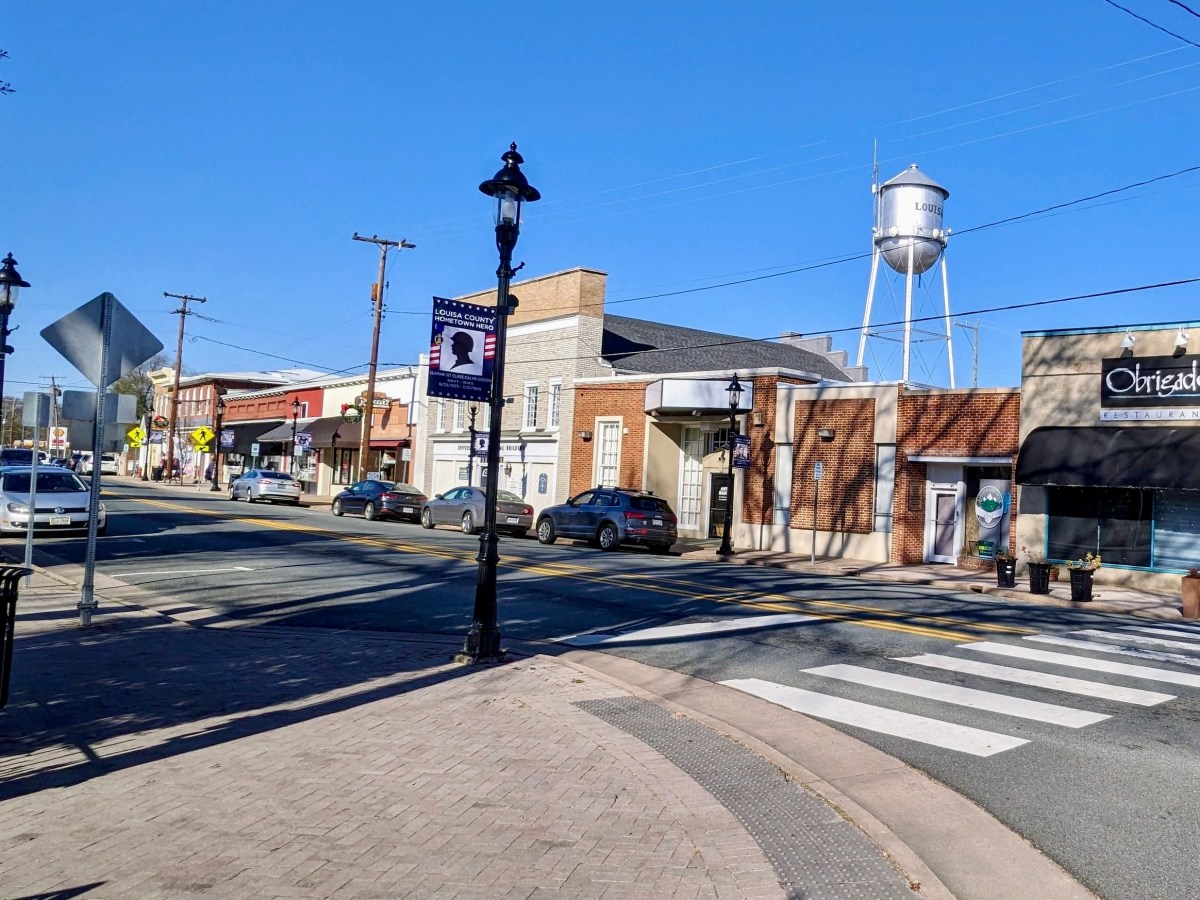
The Town of Louisa faced five resignations in less than a year. Now it’s trying to rebuild
During staffing shortages and months without meeting minutes, residents felt left in the dark. The town is trying to improve its communication.
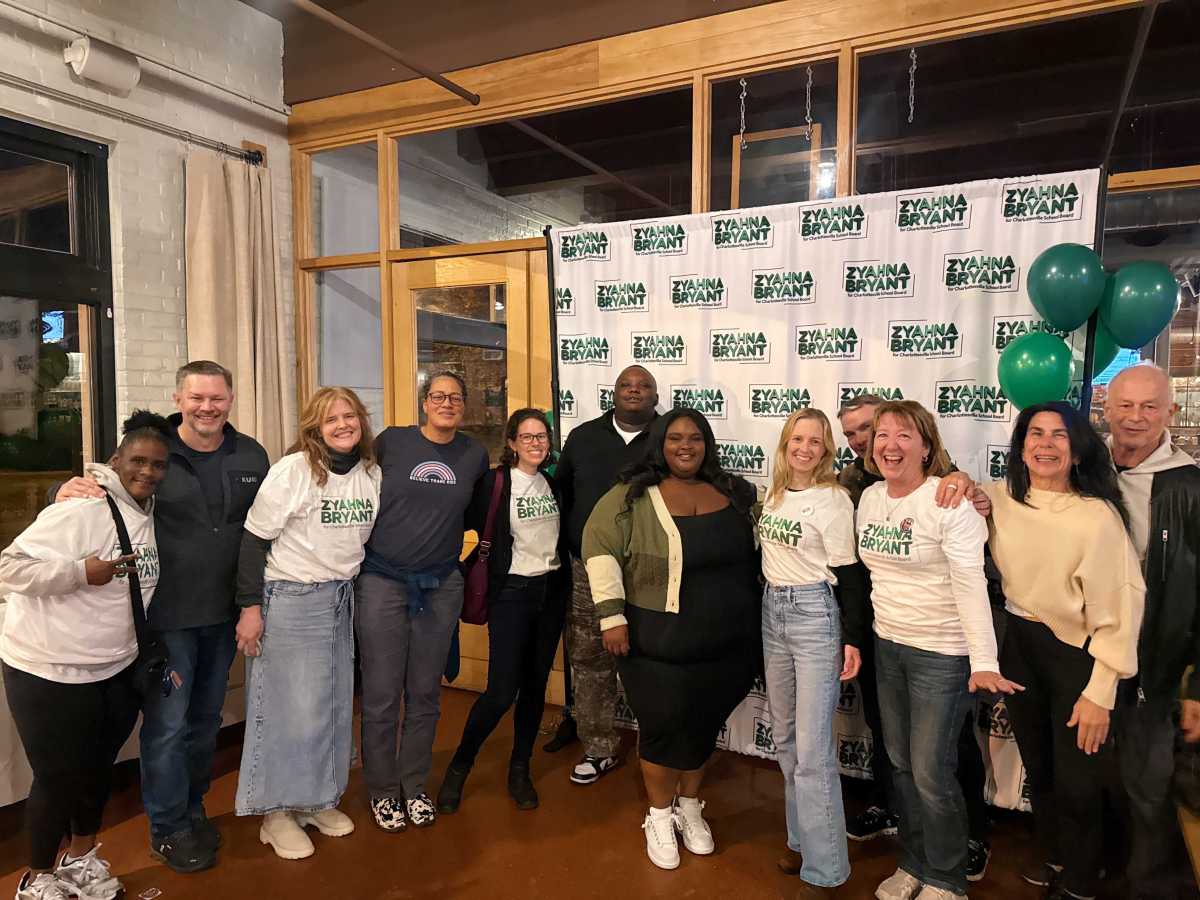
Longtime activist, first-time Charlottesville City School Board member Zyahna Bryant wants to elevate youth voices
“I believe that the community is ready for something new, and so that just makes me so excited to be on the cusp of that and to see a new wave of leadership,” Bryant told Charlottesville Tomorrow.

Matthew Kersey is being challenged by Ashley Michael for Louisa town mayor
Kersey was appointed mayor in July after both the elected mayor and his appointed replacement stepped down in quick succession.