

Today’s newsletter features a report from our 2025 Democracy Intern Alana Bittner about a period of extreme staffing shortage in the Town of Louisa.
The shortages began just over a year ago. In September 2024, Garland Nuckols resigned as mayor. Nuckols’ resignation was followed by four other staff and elected officials in the ensuing months leaving the town with a skeleton crew. And, when Clerk/Treasurer Jessica Ellis resigned in May, it stopped posting meeting minutes. That caught the attention of some local residents and journalists.
“It’s been extremely frustrating to follow what’s going on in the town, because it’s difficult to access what’s going on at the meetings on a variety of levels,” said journalist Tammy Purcell, who covers Town Council and Board of Supervisors meetings for her newsletter Engage Louisa.
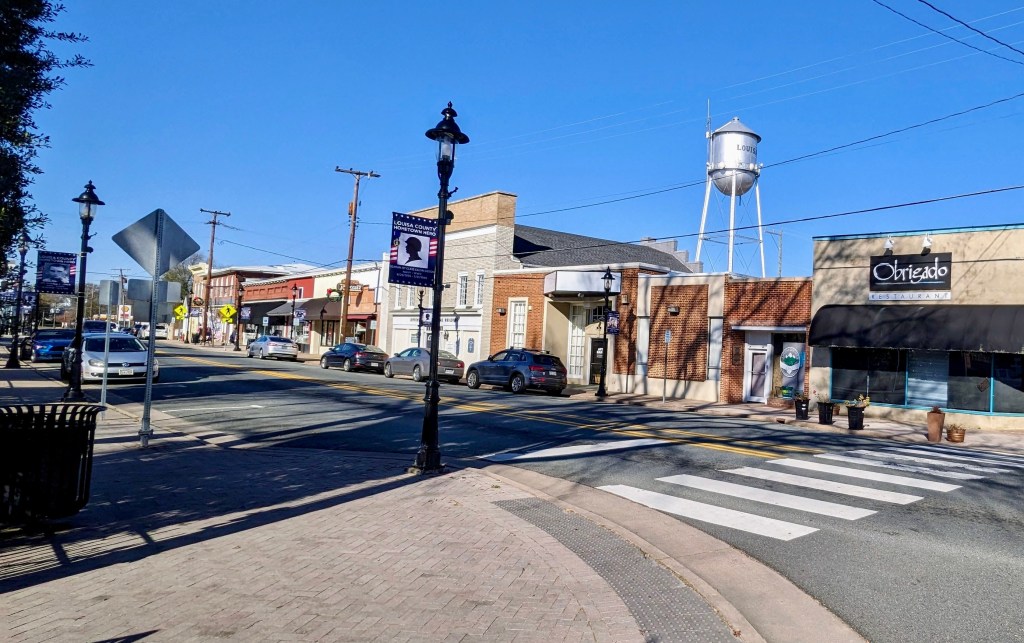
The Town of Louisa faced five resignations in less than a year. Now it’s trying to rebuild
Louisa is far from alone in its struggle. In fact, staffing shortages like this are playing out in small communities all over the country.
State and national civic organizations and think tanks are digging into this problem, looking for the causes and — more importantly — solutions to the growing inability of small governments to retain staff needed to fulfill basic services.
We’ve covered pieces of this before, particularly as it relates to small governments enticing enough people to serve in elected positions.
Every year in central Virginia, towns and counties hold elections that simply draw no candidates. The reason is a complicated mix of the small pools these positions are drawing from, the volunteer nature of the positions and the growing public scrutiny and vitriol that accompany such roles.
You can read more about the lack of candidates in local elections in a report by Sabrina Moreno:
Voters didn’t have a say in nearly 75% of local Central Virginia races this year — because there weren’t enough candidates
But elected officials are just half of the story: The other group of positions small governments are struggling to fill are the hired staff that keep the bureaucracy functioning. Those are positions like town managers, office clerks and police officers.
A 2024 report in the Wall Street Journal (available for subscribers) outlines how as small towns shrink, their populations are growing older. These days retired Americans are taking on multiple roles in small town government to keep things running. A 2025 report from the League of Minnesota Cities re-enforces that point and adds another:
“Funding disparities between urban and rural communities exacerbate these workforce challenges. Cities and counties with greater financial resources experience fewer difficulties in hiring and retaining employees, while less-funded local governments face continuous staff turnover,” according to the report. “Restrictive property tax levies, and competition for capital investment make it difficult for municipalities to offer competitive salaries and benefits.”
So, what’s to be done?
The report from Minnesota has some ideas: Broaden recruitment pipelines with internships and apprenticeships; make local government jobs easier to find; and drop unnecessary degree requirements that shrink applicant pools. It also suggests investing in training and realistic career ladders, improving benefits where possible and building regional networks so small towns aren’t left tackling these challenges alone.
Easier said than done. And, despite this being a national issue, the solutions are often left up to each individual community.
In Louisa, the newly re-staffed government is mostly looking to catch up and — they hope — regain some community trust. Many critical positions have now been filled, and the city has a new mayor who will begin in January. Ashley Michael went door-to-door during her campaign this fall to understand what town residents wanted from their local government. What she heard again and again: more communication.
“I do think there are some very small adjustments that could have been made and should be made that can make a very large impact on the way that your community trusts you,” Michael told Charlottesville Tomorrow. “They don’t have to be big, grandiose items. They can be very small things, like posting these videos, getting them updated, getting a text message out, getting a robo call. I feel like that is where we can really start to rebuild that trust within our community.”
We’ll be watching how central Virginia communities confront these issues, and what’s working (or not) along the way.
Have a great week, everyone!
Jessie Higgins, Democracy Editor