

Among other powers and responsibilities, Virginia’s governor is commander-in-chief of the state’s armed forces, fills vacancies in state offices, signs into law or vetoes legislation from the General Assembly, grants pardons and commutes sentences, reinstates voting rights for people convicted of felonies and declares a state of emergency and coordinates relief in case of a disaster.
In Virginia, the governor is limited to one four-year term, and they cannot serve consecutive terms. However, they can run for office again after sitting out for one term.
This year, Democrat Abigail D. Spanberger is running against Republican Winsome Earle-Sears. Spanberger formerly served in the U.S. House of Representatives for Virginia’s 7th District, and Earle-Searrs is currently serving as Virginia’s lieutenant governor. She also formerly served in the Virginia House of Delegates representing the 90th District.
Charlottesville Tomorrow designed a questionnaire for the candidates based on more than 160 responses we received to a voter survey. Spanberger responded, Earle-Sears did not respond. The questions we sent the candidates are listed below, and here is the candidate’s contact information as provided to the Virginia State Department of Elections, searchable by last name. You can use this contact information if you would like to reach out to the candidates yourself.
The federal government is changing Medicaid rules — restarting eligibility checks, adding work and reporting requirements, and increasing oversight. These changes may affect how many Virginians stay enrolled, depending on how the state handles things like paperwork, renewals and support for local offices. What role do you think the state should play in responding to these changes?
Abigail Spanberger: As I talk to Virginians across the Commonwealth, I hear from parents, seniors, and families who are concerned about what the Republican tax law — that my opponent has praised — means for their access to healthcare coverage. As Governor, I will use every resource available to the Commonwealth to protect Virginians on Medicaid and make sure more Virginians have healthcare coverage they can afford. Additionally, I will be focused on keeping Virginians covered and preventing them from needlessly losing coverage by investing in innovative strategies like modernizing and building digital infrastructure and building out additional administrative support to help our Virginia neighbors navigate these new, more burdensome requirements for eligibility. Virginians deserve a governor who will prepare the Commonwealth for the many challenges ahead, not a governor who dismisses the devastating impacts of this new law.
Winsome Earle-Sears: Did not respond.
Federal funding is changing in areas like health care, education, public broadcasting and environmental programs. What is your view on how Virginia should respond to these changes, and what role should the state play in supporting or adjusting local services?
Spanberger: As the Trump Administration has taken a sledgehammer approach to governing, its reckless cuts have hurt the Commonwealth — putting Virginians’ healthcare and our economic growth at risk*, all while raising costs for Virginia families. I believe Virginia’s Governor should always put the Commonwealth first and be unafraid to stand up to the chaos coming from Washington instead of cheering it on, like my opponent continues to do. As Governor, I will work with the General Assembly to prepare Virginia for the many challenges ahead, and my administration will always be focused on lowering costs for Virginians, strengthening our schools, and growing our economy.
Earle-Sears: Did not respond.
*Editor’s note: On July 4, 2025, President Donald Trump signed into law a budget reconciliation package that he referred to as the “big, beautiful bill.” Among other things, the bill made major changes to Medicaid and the Affordable Care Act Marketplace. KFF — an independent health policy research, polling and news organization — conducted a study of the potential impact of the bill, using data from the Congressional Budget Office. KFF concluded that approximately 310,000 Virginians would lose Medicaid coverage as a result of the bill.
According to a Virginia Business report, Department of Government Efficiency-led federal layoffs have been the top driver of job-cut announcements this year, and experts say the effects are hitting Virginia disproportionately. The report also cites tariffs, inflation, weaker consumer spending and economic uncertainty among the factors behind retail store closures and job losses.
Many central Virginian residents who responded to our voter survey said they are concerned about federal overreach and a lack of checks on presidential power. Do you see this as a problem? And what role should Virginia play when it comes to responding to changes made by the Trump administration, particularly when they are challenged in the courts?
Spanberger: I have consistently warned about the Trump Administration’s reckless actions hurting Virginia’s families, workforce, and economy. The Commonwealth recently lost its “Top State for Business” ranking and has experienced steadily rising unemployment, while Winsome Earle-Sears has dismissed the fears of Virginians worried about losing their jobs. As the next Governor of Virginia, I will work with my Attorney General to defend Virginia’s workforce and economy and I will be focused on lowering costs for Virginia families, creating good-paying jobs, and making Virginia a safer place to raise a family.
Earle-Sears: Did not respond.
With public school funding facing uncertainty at both the state and federal levels, what do you believe is the best way for Virginia to ensure a stable and adequate K–12 education system?
Spanberger: As a mom of three daughters in Virginia public schools, I believe Virginia’s parents deserve schools that prepare their kids for success — no matter their zip code. My Strengthening Virginia Schools Plan would make sure that every student in Virginia has a world-class education by addressing our chronic teacher shortage, upholding academic excellence and rigor in Virginia’s public schools, and providing Virginia schools with the resources they need for every student to thrive. Especially at a time when Virginia ranks dead-last in the country in student math recovery, as Governor, I will work every day to make sure Virginia’s K-12 schools are the best in America.
Earle-Sears: Did not respond.
Virginia is the only southern state that hasn’t passed new abortion laws since the Dobbs ruling. What is your position on abortion policy in Virginia?
Spanberger: As the next Governor of Virginia, I will always stand up for Virginians’ fundamental freedoms — including their right to choose when to start or grow a family. During my three terms in Congress, I consistently worked to protect access to reproductive healthcare and helped lead the charge to pass legislation that would protect women’s right to access contraception and birth control at the federal level. I believe that these decisions should be left between a woman, her family, and their doctor — not politicians in Richmond or Washington, D.C, and I find it unacceptable that some lawmakers like my opponent think they’re entitled to control women’s healthcare decisions. When I am governor, I will sign the Right to Contraception Act into law — legislation my opponent has opposed and voted against – and I am supportive of the constitutional amendment to affirm the right to reproductive care.
Earle-Sears: Did not respond.
Many central Virginians who responded to our voter survey expressed concern with accessing affordable housing. What do you see as the state’s role in addressing housing challenges in our region?
Spanberger: Everywhere I travel across the Commonwealth, I hear from Virginians who don’t know if they’ll ever be able to buy their own house or find a rental that meets their needs and fits their budget. Virginians deserve a governor who is focused on lowering housing costs, which is exactly why I rolled out my Affordable Virginia Plan. My plan is focused on increasing our housing supply, and working with central Virginia localities to respond to unique regional challenges. Additionally, I will help direct investments towards housing that families can afford — from incentives for new construction of starter homes to increasing funding for the Virginia Housing Trust Fund. I want Virginia to be the nationwide leader in addressing the housing affordability crisis. As Governor, I will work to make sure more Virginians — including first-time homebuyers — can afford to make our Commonwealth their home.
Earle-Sears: Did not respond.
Immigrations and Customs Enforcement arrests have surged across Virginia in 2025, with more than 2,500 arrests by early summer and over 4,000 by late July, according to analyses of ICE data. What should Virginia’s role be in immigration enforcement? Should the state encourage local cooperation with ICE, limit it to what federal law requires, or formally restrict it?
Spanberger: Detaining individuals on administrative immigration detainers should remain the responsibility of federal immigration agents, not local law enforcement. Local law enforcement should be focused on keeping our communities safe and investigating crimes, not doing the administrative work of immigration authorities. In cases where there is an arrest warrant — signed by a judge — local and state agencies should provide support to federal agencies. This position is informed by my work as a former federal law enforcement officer who regularly worked joint cases with local police departments. I genuinely understand the value of inter-agency cooperation, but tasking local law enforcement to act as ICE agents is not that.
Earle-Sears: Did not respond.
Virginia’s energy demand is rising rapidly due to the growth of data centers. At the same time, some localities have raised concerns about large-scale solar development. What approach should the state take to meeting growing energy needs, and what role — if any — should clean energy play in that strategy?
Spanberger: I know many Virginia families are feeling the strain on their wallets when they look at their utility bills. I believe we need a clear, statewide strategy for the Commonwealth’s future that not only helps us meet increased demand, but lowers costs for Virginians. I also believe Virginia can benefit from having data centers here — but to reap those benefits, we need to make sure we are accounting and planning for the energy generation, water, and other resources needed to support them. Earlier this year, I rolled out my Affordable Virginia Plan to lower costs — including energy costs — and as Virginia’s next governor, my strategy will focus on working with localities to meet rising energy demand while accounting for local resource needs, making sure data centers aren’t driving up costs for everyone else, and supporting good-paying jobs in this sector.
Earle-Sears: Did not respond.
Virginia is considering regulations on artificial intelligence chatbots. As AI rapidly becomes a part of everyday life, it has led to consumer protection and privacy concerns. Do you think AI needs to be regulated? If so, how, if not, why?
Spanberger: As governor, I will always prioritize protecting Virginians’ personal data and right to privacy. As we learn more about emerging technologies, I will work with the General Assembly and Virginia’s attorney general to ensure that the Commonwealth can take advantage of new innovations in technology while protecting Virginians.
Earle-Sears: Did not respond.
Virginia is the only state where people with felony convictions must be individually approved by the governor to regain their right to vote. A proposed constitutional amendment would change that by automatically restoring voting rights after a person completes their sentence. What is your position on this amendment?
Spanberger: I fully support the constitutional amendment to automatically restore voting rights and look forward to supporting its passage when it’s on the ballot in 2026. In the meantime, I commit to using the powers of the governor to pursue rights restoration while in office in 2026, before the constitutional amendment makes it automatic – and to clear the backlog of applications that will be left by the Youngkin Administration. As governor, I will protect, strengthen, and fund commonsense reforms that were made to voting access – including same-day registration, no-excuse absentee voting, and the opportunity for Sunday voting.
Earle-Sears: Did not respond.
Are there any other pressing issues facing the state of Virginia you would like voters to know about?
Spanberger: Virginia needs a governor focused on the issues that matter and someone who is not afraid to stand up to chaos when it hurts the Commonwealth. As I’ve said, I’m focused on lowering costs, strengthening our schools, and growing our economy. As the next Governor of Virginia, I will never be afraid to stand up for Virginians’ jobs and protect Virginia’s economy — and I will always put Virginia first.
Earle-Sears: Did not respond.
More about the candidate and issues
- Campaign finance report on Abigail Spanberger from the Virginia Public Access Project
- Campaign finance report on Winsome Earle-Sears from the Virginia Public Access Project
- An overview of where Earle-Sears stands on several issues (Virginia Mercury, Sept. 8, 2025)
- An overview of where Spanberger stands on several issues (Virginia Mercury, Sept. 9, 2025)
- Earle-Sears and Spanberger discuss Medicaid and “big beautiful bill” (Virginia Mercury, Sept. 15, 2025)
- A look at the candidates’ legislative records (Cardinal News, Sept. 15, 2025)
- Earle-Sears and Spanberger on economic issues (Technical.ly, Sept. 19, 2025)

Here are key dates and deadlines in the 2025 elections
| Friday, May 2, 2025 | Early voting for primaries begins weekdays at local registrar’s offices. |
| Tuesday, May 27, 2025 | Deadline to register to vote or update an existing registration for the primary election. You can still vote in the primary if you miss this deadline by registering at the polling place and casting a provisional ballot. You do not have to be a member of a political party to vote in that party’s primary election. However, you can only vote in one party’s primary election each year. |
| Friday, June 6, 2025, 5:00 p.m. | Deadline to apply for your ballot to be mailed to you. Requests must be received by your local registrar’s offices by 5 p.m. |
| Friday, June 6, 2025, 5:00 p.m. | Deadline to apply online for an absentee ballot using the Citizen Portal. |
| Saturday, June 7, 2025 | Local voter registration offices open on Saturdays for early voting for primaries. |
| Saturday, June 14, 2025, 5:00 p.m. | Early voting for primaries ends at local registrar’s offices. |
| Tuesday, June 17, 2025 | Primary Election Day! |
| Friday, Sept. 19 to Saturday, Nov. 1, 2025 5:00 p.m. | Check with your local registrar’s office for early in-person voting. |
| Friday, Oct. 24, 2025, 5:00 p.m. | Deadline to apply with your local registrar’s office for a ballot to be mailed to you. |
| Tuesday, Nov. 4, 2025 | Election Day! |
We will update this list periodically as deadlines approach or we receive new information.
Register to vote, check your registration, find your polling places and apply to vote absentee at the Virginia Department of Elections here. Remember, even if you miss registration deadlines, you can register through Election Day and vote using a provisional ballot.
Need to know if you’re eligible to vote? Here are resources from the Virginia Department of Elections.

Subscribe for Voter Guide updates
Take a survey to help us continue to build this voter guide!
The latest from the 2025 Voter Guide
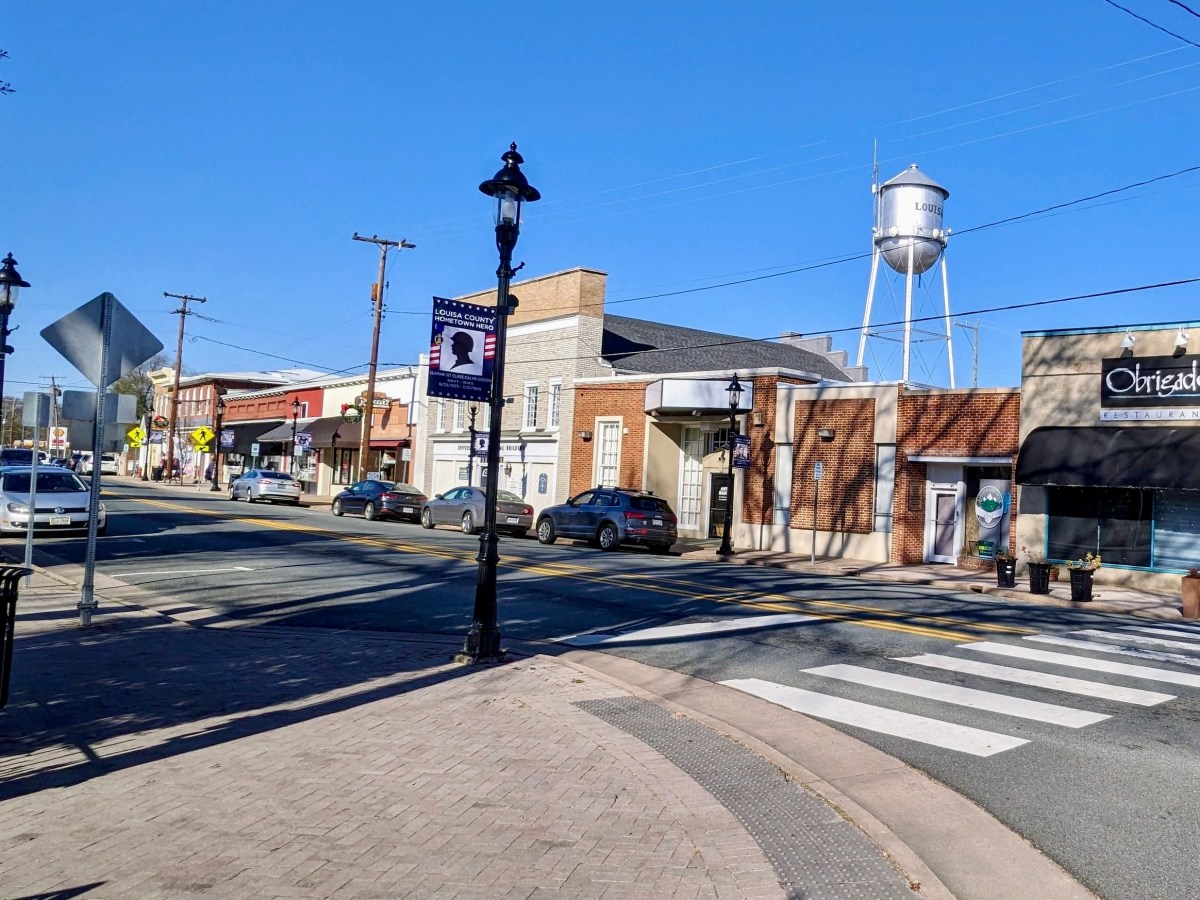
The Town of Louisa faced five resignations in less than a year. Now it’s trying to rebuild
During staffing shortages and months without meeting minutes, residents felt left in the dark. The town is trying to improve its communication.
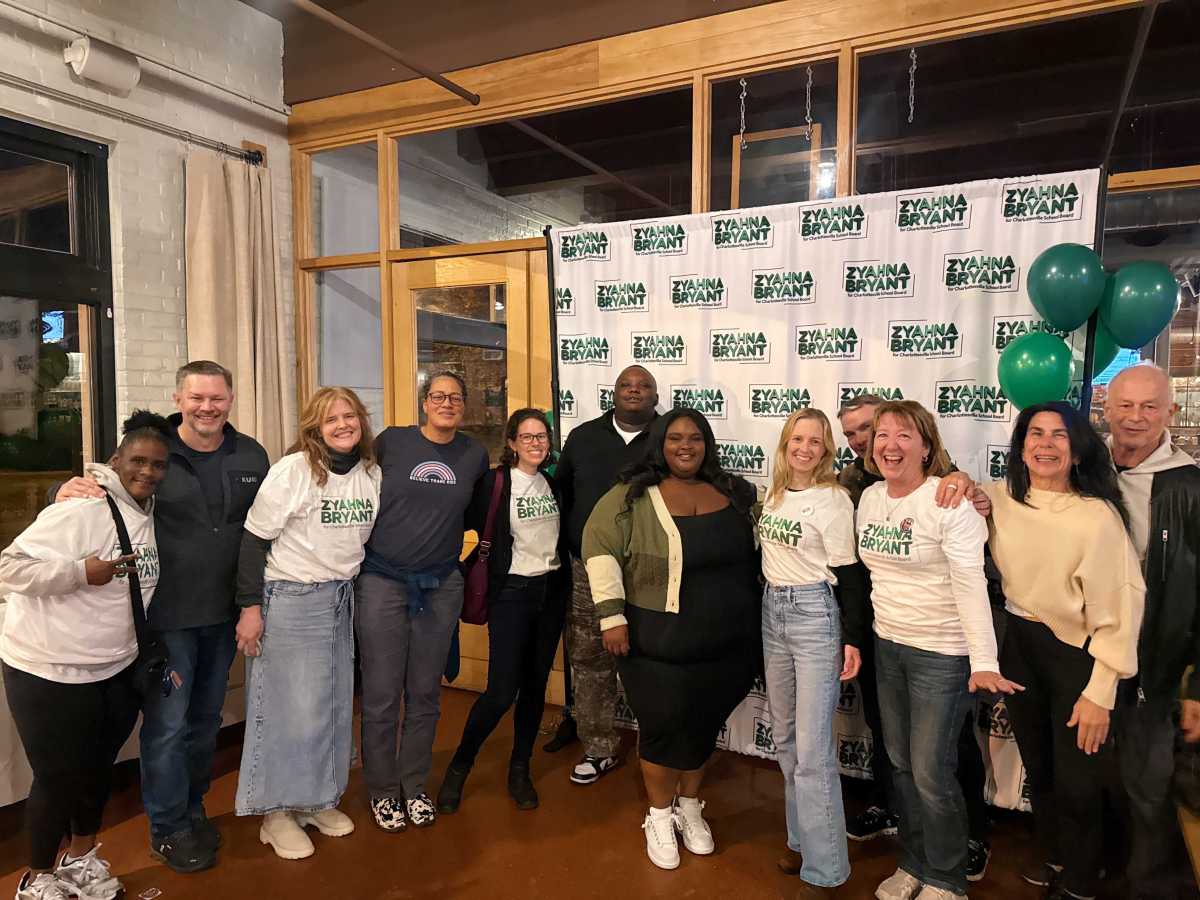
Longtime activist, first-time Charlottesville City School Board member Zyahna Bryant wants to elevate youth voices
“I believe that the community is ready for something new, and so that just makes me so excited to be on the cusp of that and to see a new wave of leadership,” Bryant told Charlottesville Tomorrow.

Matthew Kersey is being challenged by Ashley Michael for Louisa town mayor
Kersey was appointed mayor in July after both the elected mayor and his appointed replacement stepped down in quick succession.