

When labor and delivery units serving rural areas close, emergency medical technicians often have to fill the gap in care, including delivering babies in the back of ambulances, pulled to the side of the road.
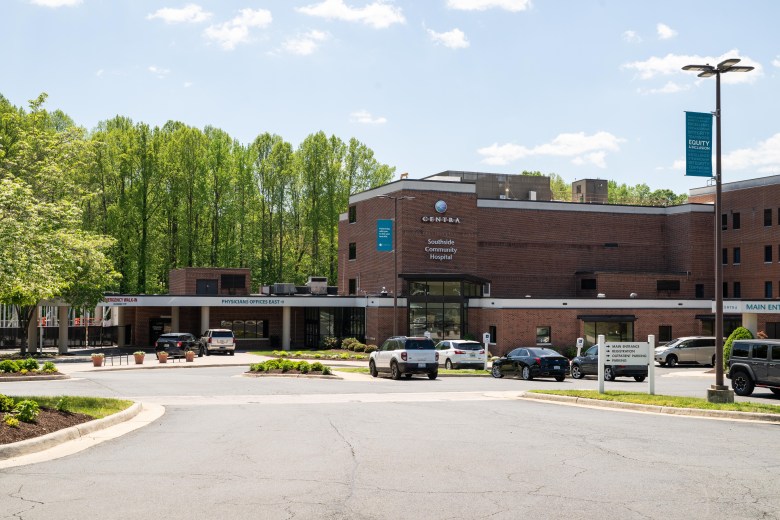
This has already happened since the closure of Centra Southside Community Hospital’s obstetric and gynecologic services in Farmville, said a source familiar with the work of emergency medical technicians (EMTs) who are working to transport pregnant women from Centra to a hospital qualified to handle obstetric emergencies, typically in Lynchburg or Richmond.
The source, who asked to remain anonymous out of fear of losing their job, said there were at least two cases since the closure in December in which emergency department staff rushed patients in labor out of Centra, and EMTs had to deliver babies in an ambulance. Both deliveries went well, the source said.
They said EMTs had one or two hours of additional training for transferring obstetric patients when Centra closed its services on top of traditional state-required certification. Since the training was very short, the source said some didn’t feel adequately prepared.
“While Centra had to make the difficult decision to stop delivering babies at Southside Community Hospital, we have taken multiple steps to ensure women in Farmville and surrounding communities are supported during labor and delivery,” said Centra’s spokesperson in a statement.
“When the Southside Labor and Delivery unit closed, we held multiple free sessions for local EMS providers to offer training on care and transport of women in labor. We will continue to offer this training at the request of any interested local EMS providers. We also continue to provide training to our Emergency Department staff and our Patient Transport teams on the assessment, support, and transport of women in labor.”
During an earlier call, Stephanie McBree, Centra’s director of communications and PR, said she couldn’t comment on specific cases the source mentioned. She also questioned the need for news coverage of the issue and emphasized that Centra had already directly addressed the community extensively.
When labor and delivery services close, the risks associated with pregnancy and postpartum care in rural areas don’t disappear — they increase for both mothers and infants, studies show. These risks shift to emergency department staff who aren’t necessarily trained for all obstetric emergencies and to EMTs.
EMTs have to prepare to deal with complications like hemorrhages, hypertensive emergencies, and preterm labor for a longer stretch of time while they take patients to qualified care providers.
In rural areas already stretched thin by workforce shortages and long response times, that shift is landing on systems with little capacity to absorb it, said Dr. Elizabeth Kielb, director of maternal and infant health for the March of Dimes, a nonprofit organization, in the District of Columbia, Maryland, and Virginia area.
“The loss of labor and delivery services places significant pressure on local EMS (emergency medical service) providers. EMTs are being asked to fill gaps that the healthcare system was not designed for them to absorb. When transport times increase, EMTs may need to initiate or even complete deliveries in the field or manage complications like postpartum hemorrhage without immediate backup,” said Kielb.
“What we are effectively seeing is a transfer of clinical risk from specialized hospital settings to pre-hospital and emergency department providers, without a commensurate increase in infrastructure or support,” she added.
And when a nearby labor and delivery unit is no longer available, patients in the area might delay care due to distance. Which, Kielb said, can increase the likelihood that when EMS or emergency department workers get to them, the patients are “sicker.”
EMTs in the area around Farmville have seen that kind of behavior from patients even before the closure of obstetric services at Centra.
Coordinator of Cumberland County Emergency Services Darren Hurley, who is an experienced paramedic, said people in rural areas often wait longer before calling 911 for help, so the cases EMTs respond to are more urgent. Because a lot of people in the area have lower incomes, they might not have the means to see medical professionals in their day-to-day life, and it’s not uncommon for EMTs to take a woman in labor to a hospital and realize through conversation that she hadn’t attended a single prenatal appointment.
“That’s definitely a difference in those urbanized versus rural communities like out here. All the cases we run are usually worse than what you would see in an urbanized area. It’s bad. Sometimes you go, and it’s a lot worse than what you thought it would be, because they waited so long,” Hurley said.
In rural places like Cumberland, 911 and EMTs working on ambulances are the primary healthcare providers for miles and miles around. So, the loss of the closest qualified labor and delivery room is bad news for the community and for EMTs handling obstetric emergencies.
Hurley learned about Centra’s plans sometime in November — he doesn’t quite recall how, but it’s possible it was through a news release or Facebook, as many other people heard the news. The services stopped the following month, leaving expecting mothers to arrange for new care with a delivery date nearing and others questioning whether they feel safe to have any more kids.
“It greatly affected our county,” said Hurley.
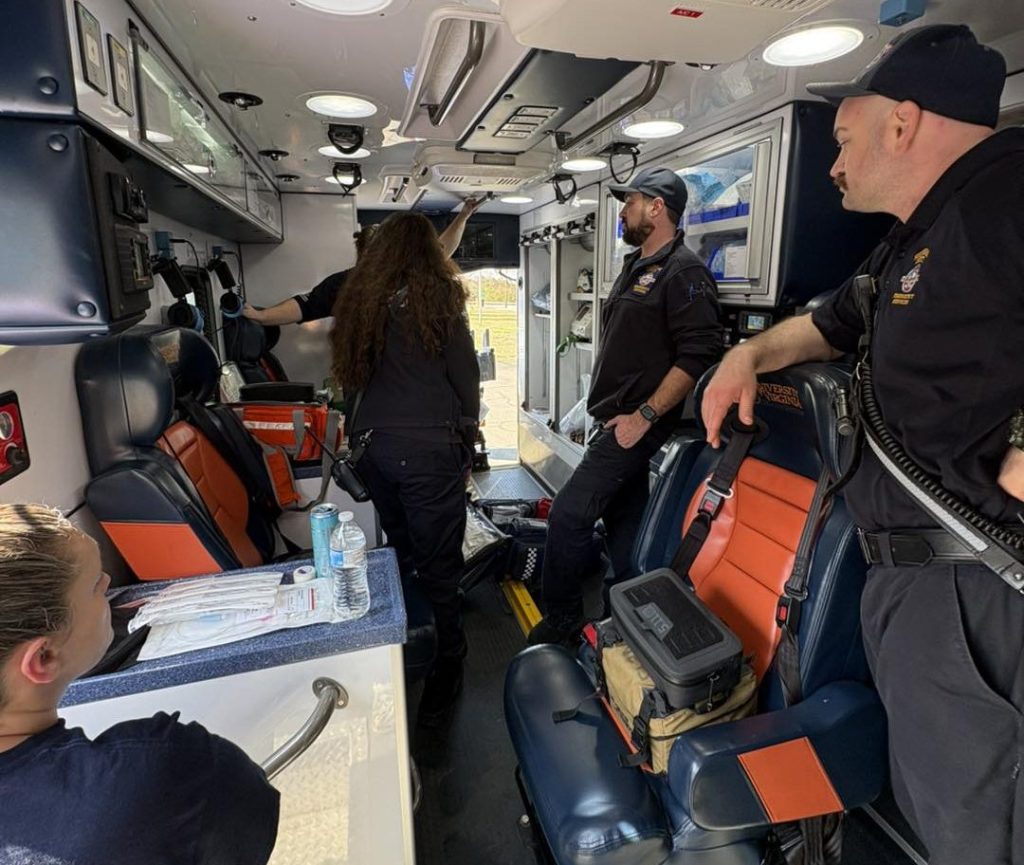
Now ambulances from Cumberland and other counties in Centra’s service area have to take women to Richmond, Charlottesville or Lynchburg, which are more than an hour away. On top of being riskier for patients, it also takes an ambulance out of circulation for hours, meaning other patients may have to wait, and in case of some large-scale emergency there would be one less crew to respond.
And when they encounter extremely urgent obstetric cases, their only backup option is to call a helicopter. Otherwise, they have to make a choice between delivering the baby themselves, even if it’s on the side of the road, or rushing the patient to Centra to be stabilized and transported to a qualified hospital from there.
According to Hurley they don’t get many obstetric calls — maybe about five a month, but those are what are called “low-frequency but high-acuity.” That means that while they are rare, they demand immediate and high-stakes decisions.
Hurley’s experience rings true to what is happening nationally as labor and delivery units close due to lower birth rates, staffing challenges, and financial challenges — the recent federal changes to Medicaid put the availability of obstetric services further at risk, experts warn.
Those are the reasons Centra listed when they explained the decision to stop the services, too.
Since the end of 2020, an estimate of 130 rural hospitals either stopped delivering babies or planned to end the services, the Center for Healthcare Quality and Payment Reform, a national health policy center, found.
To adapt, Kielb said, emergency departments tasked with handling obstetric emergencies are acquiring skills to handle them. That’s what Centra said in the past their ER staff had been trained to do, prioritizing stabilizing mother and child before transferring them to a different, better-equipped hospital.
EMS teams in rural areas are seeking additional obstetric training as well, said Kielb.
That’s what the EMS team in Buckingham County, another rural county that relied on Centra in Farmville for a place to take their obstetric patients in case of emergency, did after the news of the closure.
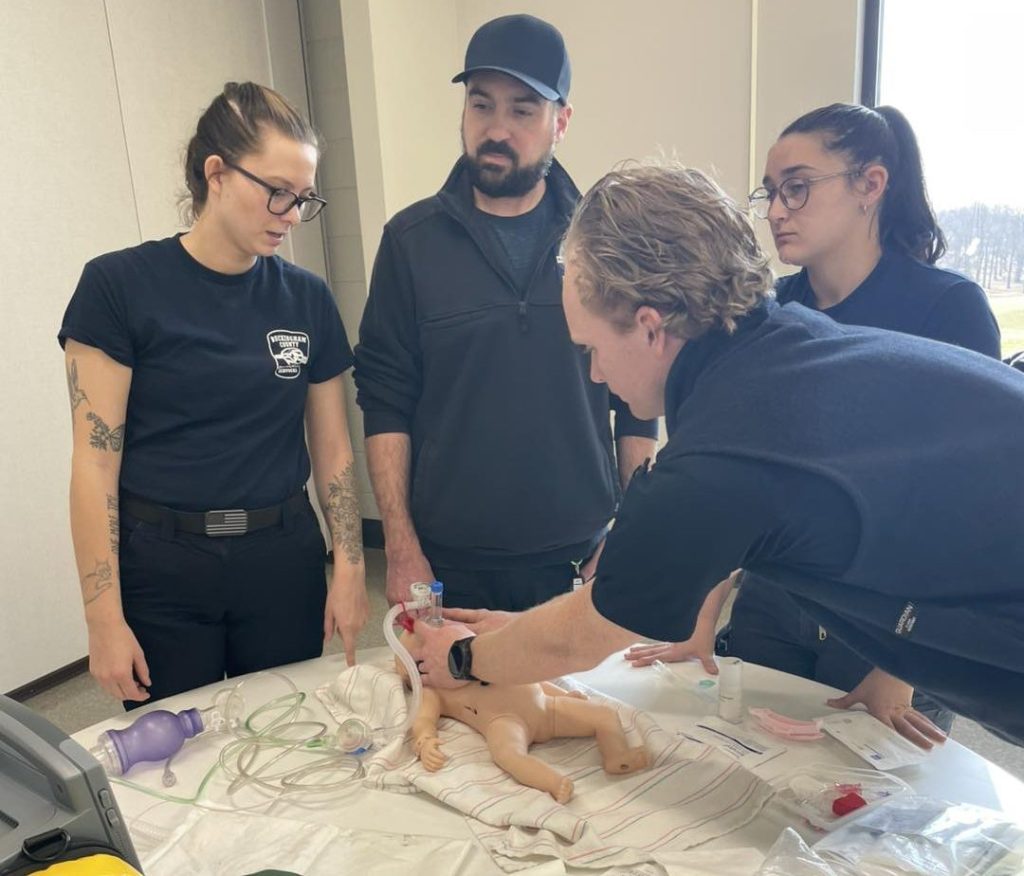
According to Cody Davis, Buckingham County Department of Emergency Services Director and Chief, they had an intense training session in early March for EMTs to refresh their existing knowledge on how to handle obstetric care emergencies and to expand it further.
EMTs in Virginia are required to have certain obstetric certifications and can deliver newborns, said Davis. In their March training, Buckingham County took the basic skills further and brought in experts from Centra and the University of Virginia Health. They went deeper into how to handle complications and stabilize patients for longer. The basic training had just scratched the surface of what they covered that day, said Davis.
“It’s been a while since anybody had anything like this,” he said.
It wasn’t just Centra’s service closure alone that prompted the training, Davis said. Coincidentally, there has been an increased number of obstetric calls from the local Amish community, who usually only call for outside help when the situation gets to a life-or-death stage. So, Buckingham EMTs wanted to be more prepared.
“I hate that so many people are concerned and I understand why they are concerned. I hope something happens to mitigate these mothers’ concerns,” Davis said.
“In rural EMS we’re used to handling situations for an extended amount of time with fewer people. We have a bit of confidence going into this.”