

The City of Charlottesville will be revising its short-term rental ordinance, and it wants input from the community.
The city is conducting an online survey to better understand what people think about short-term rentals, more commonly known as “AirBnBs,” referring to a company founded in 2008 that connects property owners with short-term renters. The 14-question survey takes between 5 and 10 minutes to complete, and includes both multiple choice and open-answer questions. It closes June 30.

Through the survey, the city hopes to hear feedback on short-term rentals from residents, property owners, and visitors alike.
A short-term rental is a type of temporary lodging that has become a popular alternative to traditional hotels. Short-term rentals are furnished, residential properties rented out for a period of time — usually 30 days or less — by the owner of that property.
They became popular in the 2010s, and Charlottesville started regulating these types of stays about a decade ago — after months of discussion, City Council adopted the current ordinance in September 2015 (Subscribers to The Daily Progress can read more background here). Prior to that, the homestays were unregulated, and the city heard some complaints about them, mostly centered around noise. Others expressed concern that landlords would turn their long-term rentals into short-term ones, decreasing the city’s housing stock.
Every short-term rental must have a valid permit from the city and must renew that permit annually in order to continue operating. Additionally, the property owner must occupy the property for 185 days per calendar year — that works out to a little over 6 months. The full list of regulations can be found on the city’s homestay FAQ page.
City staff are examining whether or not the existing policy needs to change, and if so, what changes need to be made, Director of Neighborhood Development Services Kellie Brown told the City Council during its June 16 meeting. Staff are currently studying other localities’ ordinances, and will take community comments from the survey and forthcoming public engagement sessions into consideration.
Currently, there are about 400 short-term stay rentals in the city, Brown said.
Their existence is controversial, not just in Charlottesville, but throughout the country.
Short-term rentals give property owners the opportunity to earn extra income, and they give tourists the chance to get to know a place on the neighborhood level. They can also be economically beneficial to a locality — Charlottesville collects a 9% transient occupancy tax on short-term rentals (the tax also applies to hotels and bed and breakfasts).
However, opponents of the practice say that short-term rentals not only create problems with parking, traffic, and noise, they take long-term rentals off the market for tenants who need them.
But the economic costs of the rentals can outweigh the economic benefits, according to a 2019 study from the Economic Policy Institute, a nonprofit nonpartisan think tank that works to counter inequality. In general, the presence of short-term stays can increase housing costs for locals, that study found.
When the number of short-term rentals increase in a city, so do rent prices, Harvard Business Review researchers found in 2019.
This 2020 report from Forbes takes a look at the so-called “AirBnB effect,” examining some of the ways short-term stays are affecting housing markets across the world, what various studies on them have shown, and what some communities have done to regulate them.
The city’s survey is only the start of its public engagement process for revising the ordinance. Throughout the summer, city staff will consider research and survey responses as it writes a draft of a new ordinance. Throughout the fall, the city will hold public engagement events and focus groups about the draft ordinance and will make revisions on feedback. After that, the draft will go to Planning Commission and City Council for a series of work sessions. The Planning Commission is expected to make its recommendation to the Council, who gets the final say on the ordinance, in early 2026.
Take Action
Take an online survey to tell the City of Charlottesville what you think about the current short-term rental ordinance, and how it could be improved. A short-term rental is a type of temporary lodging that has become a popular alternative to traditional hotels. Short-term rentals are furnished, residential properties rented out for a period of time — usually 30 days or less — by the owner of that property.
The 14-question survey includes both multiple choice and open-answer questions, and takes between 5 and 10 minutes to complete. The survey closes June 30.
Click here to take the survey.
Need to brush up on the current ordinance before taking the survey? Click here to learn about the city’s current regulations on short-term rentals.
While we can’t cover every story that’s important to you, we do our best to be responsive to your needs. We use tips from readers to choose which stories to cover, to incorporate information into broader reports or to help us decide how to grow Charlottesville Tomorrow. Here’s where you can tell us what you think we should be covering.
More about short-term rentals in Charlottesville and Albemarle County
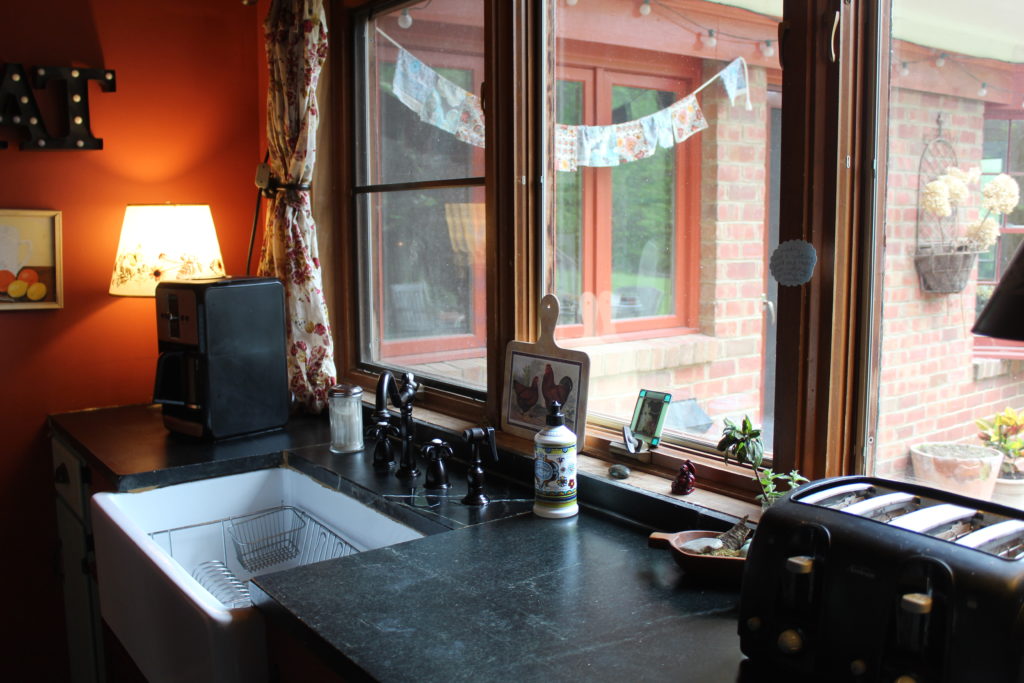
County nears completion of new homestay rules
Related Articles: Regulations for room-sharing debated A fare fight? Albemarle begins affordable housing policy update On Wednesday, Thea Tupelo-Schneck was sweeping and folding sheets after her most recent visitors departed. She lives with her husband and three kids in one half of their Albemarle County home, and they rent the three bedrooms, kitchen, living room, porch and garage to short-term visitors. “It’s a lot like having a foreign exchange student or friends from out of town,” she said. “They had a little boy who didn’t speak a word of English. My little boy didn’t speak a word of Chinese, but…

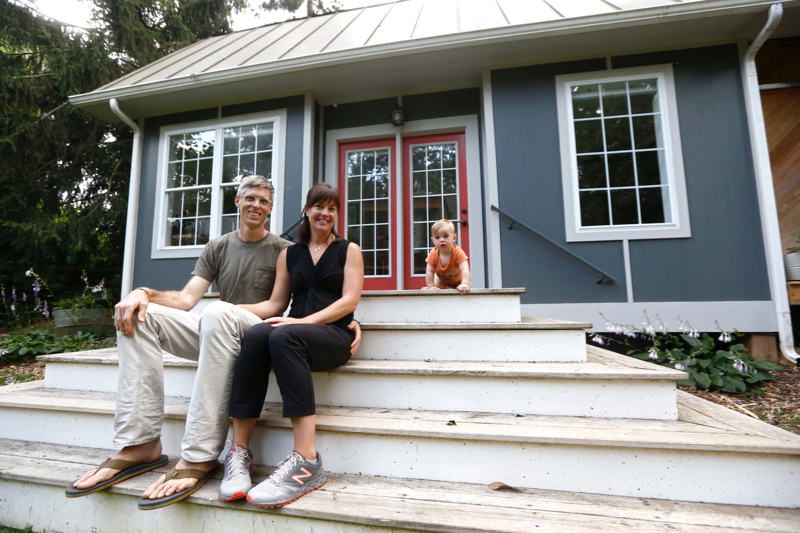
Tiny housing in Charlottesville — is it possible?
This story is part of our #CvilleCurious project. You ask the questions, you vote on the questions you’re most curious about, and we answer. To ask your question, visit the CvilleCurious page. The HGTV series “Tiny House, Big Living” has brought the concept of tiny homes into households across the country in recent years, but are these homes possible to live in under Charlottesville zoning regulations? “Some communities welcome them with open arms, and others are so restrictive that, for all practical purposes, you can’t do it,” said Fred Oesch, owner of Oesch Environmental Design and leader of a Charlottesville…

Charlottesville officials undecided on transient lodging rules
After almost a year of study, the absence of new regulations for in-home lodging has left Charlottesville property owners and concerned neighbors in the lurch and a potential source of new revenue for city coffers untapped. “Transient lodging facilities such as accommodations offered through websites like Airbnb are popping up all over the country,” said city planner Matt Alfele. “This model of temporary lodging is creating more opportunities for travelers and new revenue opportunities for individuals, but can be disruptive to traditional neighborhoods.” Alfele said there are as many 318 housing units in the city currently being used as transient…

Regulations for room-sharing debated
Should the city of Charlottesville amend its zoning code to accommodate the phenomenon of room-sharing, an international trend where homeowners temporarily rent out rooms or their entire house on a short-term basis? Should government be regulating how people share their homes? Those are questions city government will face in 2015. “There are at least a hundred properties in the city that are doing this on an annual basis, and we’ve received complaints on four properties,” city planner Matthew Alfele said at a meeting of the Planning Commission earlier this month. However, the practice is not currently regulated by the city’s…
More local News

Albemarle County School Board member resigns; Board votes for an independent investigation into the school district
Speaking through tears, Vice Chair Allison Spillman announced her resignation, saying her children had been subject to “harassment” due to her role in public office.

¿Le preocupa ir a la corte por miedo a ICE? Esto es lo que una abogada local de inmigración quiere que la comunidad sepa
Un abogado de inmigración de Charlottesville responde a las preguntas frecuentes sobre los arrestos del ICE en los tribunales, las audiencias judiciales y cómo las familias pueden prepararse para emergencias.



Worried about going to court because of ICE? Here’s what a local immigration lawyer wants community members to know
A Charlottesville immigration lawyer answers common questions about ICE courthouse arrests, court hearings and how families can prepare for emergencies.
From housing to small businesses to vibrant culture, here’s what Richard Aguilar wants you to know about his community
The stories of Southwood, of thriving Latino-owned businesses and vibrant festivals, are not just isolated victories, writes Aguilar.


‘The worst it has ever been’: Virginia immigration lawyers, former immigration judges warn of a court system in crisis
Attorneys and former judges say mass firings, political pressure and sweeping policy changes have made it harder than ever for immigrants to receive a fair hearing.