

Members of the Virginia House of Delegates serve two-year terms, author state laws, approve the state budget and address community issues at the state level — including infrastructure, education funding and local regulations.
House of Delegates District 63 covers the eastern part of Orange County and the western part of Spotsylvania County. This year, incumbent Phillip A. “Phil” Scott (R) is being challenged by Forrest J. Miller (D).
Charlottesville Tomorrow designed a questionnaire for Scott and Miller based on more than 160 responses we received to a voter survey. Neither candidate returned answers.
Below are the questions we sent the candidates
Here is the candidates’ contact information as provided to the Virginia State Department of Elections, searchable by last name. You can use this contact information if you would like to reach out to the candidates yourself.
- With electricity demand rising rapidly — especially from data centers — what legislation or budget priorities will you support to ensure Virginia can meet its energy needs, protect communities and stay on track with the goals of the Virginia Clean Economy Act?
- When it comes to siting data centers and energy projects, do you support setting statewide minimum standards, or should decisions remain with local governments? What principles will guide your approach, and how will you weigh the tradeoffs involved?
- The federal government is changing Medicaid rules — restarting eligibility checks, adding work and reporting requirements and increasing oversight. These changes may affect how many Virginians stay enrolled, depending on how the state handles things like paperwork, renewals and support for local offices. What role do you think the General Assembly should play in responding to these changes?
- State delegates help shape the budget and decide how Virginia responds when federal funding changes. If funding declines in areas like health care, education or infrastructure, how would you approach decisions about state support? What principles would guide your budgeting priorities?
- With public school funding facing uncertainty at both the state and federal levels, what do you believe is the best way for Virginia to ensure a stable and adequate K–12 education system?
- The General Assembly plays a key role in shaping Virginia’s laws on abortion. Delegates decide which bills move forward and can also propose constitutional amendments. What is your general approach to abortion policy in Virginia, and what kinds of measures would you support or oppose?
- Many central Virginians who responded to our voter survey expressed concern with accessing affordable housing. What do you see as the General Assembly’s role in addressing housing challenges in our region?
- Some rural areas have faced sudden bridge closures and long detours, with slow timelines for repairs. Delegates help write the transportation budget and set the rules that guide how the Virginia Department of Transportation chooses and funds projects. Would you support any legislative changes to ensure rural communities get the maintenance and emergency repairs they need? If so, what changes?
- Immigrations and Customs Enforcement arrests have surged across Virginia in 2025, with more than 2,500 arrests by early summer and over 4,000 by late July, according to analyses of ICE data. What should Virginia’s role be in immigration enforcement? Should the state encourage local cooperation with ICE, limit it to what federal law requires, or formally restrict it? And how would you use your role as a delegate to influence this issue?
- Virginia is seeing more frequent flooding, heavier rainstorms and longer dry spells. The General Assembly helps fund stormwater and emergency programs, set building rules and support local planning. What’s your view on how the state should respond to these kinds of weather challenges?
- Are there any other pressing issues facing your district that you would like voters to know about?
More about the candidate and issues
- Scott’s campaign contributions, from the Virginia Public Access Project
- Scott’s election history, from the Virginia Public Access Project
- Miller’s campaign contributions, from the Virginia Public Access Project
- Interview with Miller (Fredericksburg Free Press, Aug. 17, 2025)
- Audio interview with Scott from 2023 (Fredericksburg Free Press, Jan. 5, 2023)

Here are key dates and deadlines in the 2025 elections
| Friday, May 2, 2025 | Early voting for primaries begins weekdays at local registrar’s offices. |
| Tuesday, May 27, 2025 | Deadline to register to vote or update an existing registration for the primary election. You can still vote in the primary if you miss this deadline by registering at the polling place and casting a provisional ballot. You do not have to be a member of a political party to vote in that party’s primary election. However, you can only vote in one party’s primary election each year. |
| Friday, June 6, 2025, 5:00 p.m. | Deadline to apply for your ballot to be mailed to you. Requests must be received by your local registrar’s offices by 5 p.m. |
| Friday, June 6, 2025, 5:00 p.m. | Deadline to apply online for an absentee ballot using the Citizen Portal. |
| Saturday, June 7, 2025 | Local voter registration offices open on Saturdays for early voting for primaries. |
| Saturday, June 14, 2025, 5:00 p.m. | Early voting for primaries ends at local registrar’s offices. |
| Tuesday, June 17, 2025 | Primary Election Day! |
| Friday, Sept. 19 to Saturday, Nov. 1, 2025 5:00 p.m. | Check with your local registrar’s office for early in-person voting. |
| Friday, Oct. 24, 2025, 5:00 p.m. | Deadline to apply with your local registrar’s office for a ballot to be mailed to you. |
| Tuesday, Nov. 4, 2025 | Election Day! |
We will update this list periodically as deadlines approach or we receive new information.
Register to vote, check your registration, find your polling places and apply to vote absentee at the Virginia Department of Elections here. Remember, even if you miss registration deadlines, you can register through Election Day and vote using a provisional ballot.
Need to know if you’re eligible to vote? Here are resources from the Virginia Department of Elections.

Subscribe for Voter Guide updates
Take a survey to help us continue to build this voter guide!
The latest from the 2025 Voter Guide
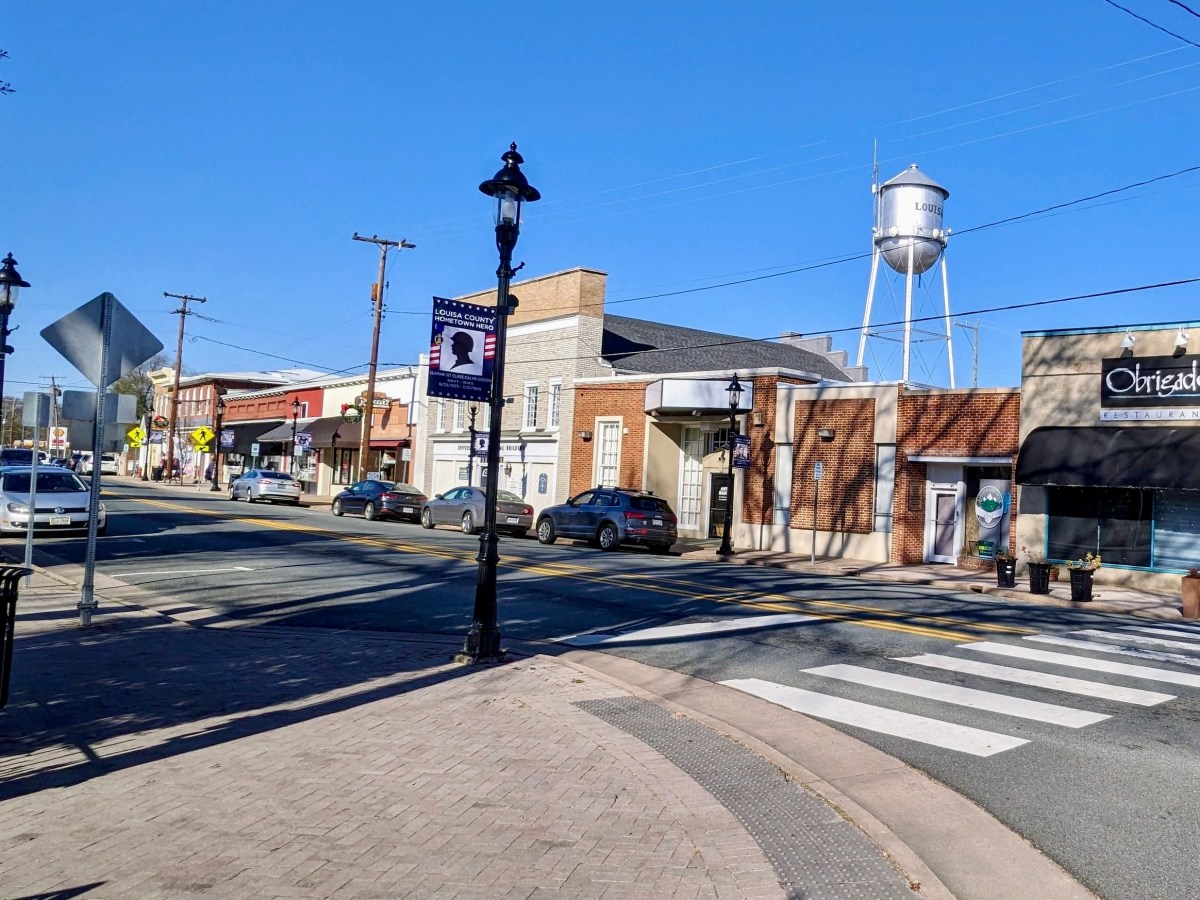
The Town of Louisa faced five resignations in less than a year. Now it’s trying to rebuild
During staffing shortages and months without meeting minutes, residents felt left in the dark. The town is trying to improve its communication.
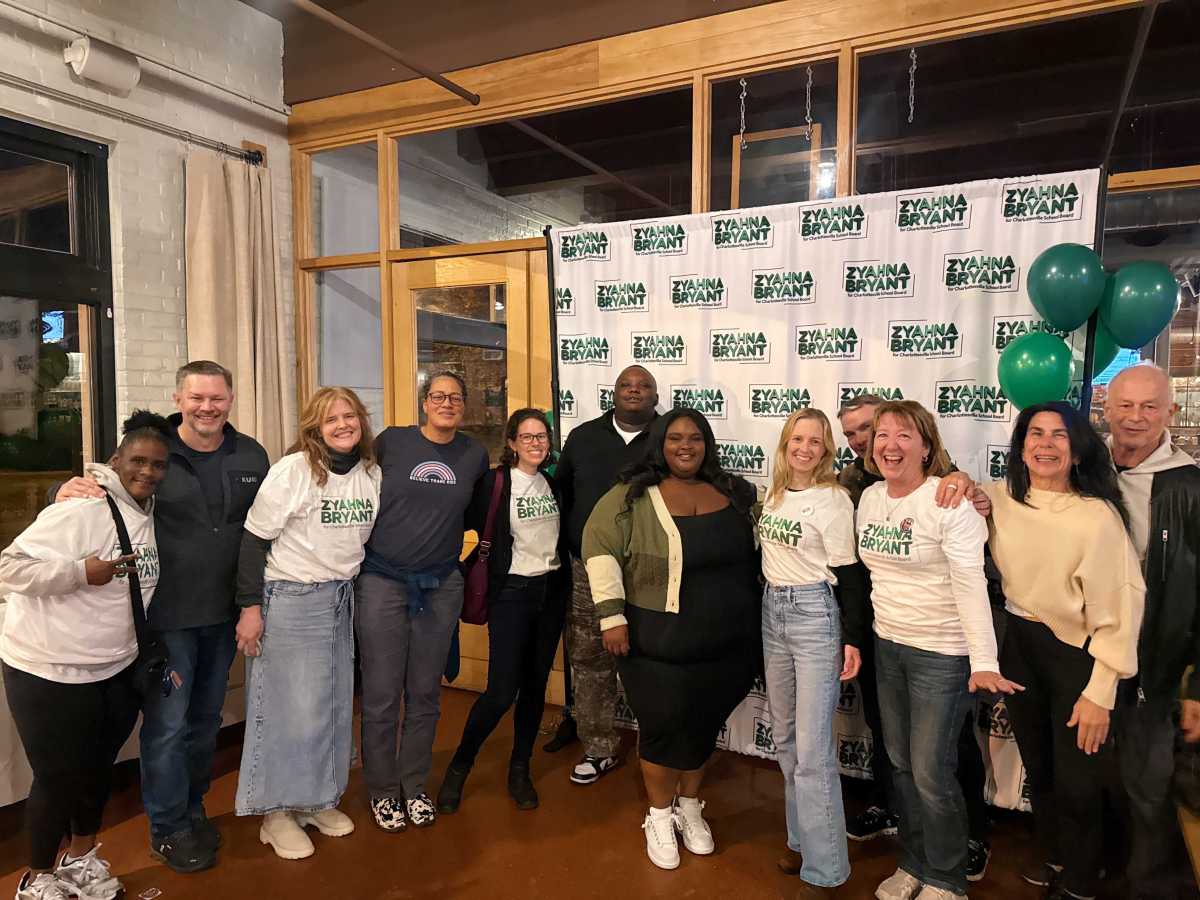
Longtime activist, first-time Charlottesville City School Board member Zyahna Bryant wants to elevate youth voices
“I believe that the community is ready for something new, and so that just makes me so excited to be on the cusp of that and to see a new wave of leadership,” Bryant told Charlottesville Tomorrow.

Matthew Kersey is being challenged by Ashley Michael for Louisa town mayor
Kersey was appointed mayor in July after both the elected mayor and his appointed replacement stepped down in quick succession.