

Virginia House District 62 covers Greene and Madison counties, and parts of Orange and Culpeper counties. Karen Hamilton (R) and Sara Ratcliffe (D) are seeking to represent the district in the Virginia House of Delegates.
House Delegates serve two-year terms, author state laws, approve the state budget, and address community issues at the state level — including infrastructure, education funding, and local regulations.
Ratcliffe has run for Delegate twice before, once against Nick Freitas (R) in the then-redrawn 62nd District in 2023, and once against Rob Bell (R) in the old 58th District in 2021. She lost both times.
Charlottesville Tomorrow designed a questionnaire for the candidates based on responses we received to a voter survey. Ratcliffe returned answers, below.
Hamilton did not reply. You can use the information her campaign provided to the Virginia State Department of Elections, searchable by last name, if you would like to reach out to her yourself.
Responses have been fact-checked by reporters and lightly edited for readability.
With electricity demand rising rapidly — especially from data centers — what legislation or budget priorities will you support to ensure Virginia can meet its energy needs, protect communities and stay on track with the goals of the Virginia Clean Economy Act?
Sara H. Ratcliffe: The VCEA set a long-term framework to build more in-state power and reduce dependence on imported energy. The idea was simple: instead of sending billions of dollars out of state, we should invest in energy projects here at home. The goal is to create a balanced, reliable system that draws upon the best of each resource. Fossil fuels, nuclear, wind, solar, and storage all have a role to play. The goal is not ideology, it’s practicality: make sure Virginia has the power we need that families can afford. As we modernize, reliability and affordability must remain at the forefront of research and innovation. As Delegate, I will aim to refine these goals and create a sustainable future for our planet and future generations that ensures we protect clean air and water, sustain our natural resources, balance development with conservation, grow sustainable farming practices, and yes, build cleaner energy sources.
Karen Hamilton: Did not respond.
When it comes to siting data centers and energy projects, do you support setting statewide minimum standards, or should decisions remain with local governments? What principles will guide your approach, and how will you weigh the tradeoffs involved?
Ratcliffe: Energy decisions made in Richmond or corporate boardrooms do not always reflect the needs of rural communities. That’s why local governments and residents must have a strong voice in any new projects. Clean energy can benefit our communities, but it should never be imposed without local input. Our towns and counties need to guide how new development fits into our landscapes and local economies. In addition, we must ensure that voices from low-income communities and those more traditionally reliant on fossil-fuel production for their livelihood are included in policy development and implementation of new technologies. The transition to a clean energy economy should take into account the needs and concerns of communities where cost burdens will hit first and worst, including former coalfield areas, rural communities, and any other communities where higher bills and scarcer resources are already hitting the hardest.
Hamilton: Did not respond.
The federal government is changing Medicaid rules — restarting eligibility checks, adding work and reporting requirements and increasing oversight. These changes may affect how many Virginians stay enrolled, depending on how the state handles things like paperwork, renewals and support for local offices. What role do you think the General Assembly should play in responding to these changes?
Ratcliffe: There has never been a more important time to showcase our democratic values, given the cuts and chaos coming from a federal administration hell-bent on inflicting harm on our most vulnerable Virginians. In my district, the funding cuts and changes to eligibility will mean putting 8,000 kids and 4,000 adults in jeopardy of losing their healthcare coverage. That is unacceptable. The General Assembly must work to ensure that we not only mitigate the harm these draconian changes will cause, but also enact legislation that guarantees the Affordable Care Act expansion coverages and lightens the extra burdens disproportionately placed on the elderly poor, those living with disabilities, and stay-at-home parents taking care of their kids with special needs.
Hamilton: Did not respond.
State delegates help shape the budget and decide how Virginia responds when federal funding changes. If funding declines in areas like health care, education or infrastructure, how would you approach decisions about state support? What principles would guide your budgeting priorities?
Ratcliffe: Our budget needs to reflect who we are as Virginians.It is a values document as much as it is a financial framework for state spending. Our decisions about state support need to prioritize the needs of families at the margins or on the brink so that we can protect the future of our collective success as much as we can. That means ensuring that every Virginia parent has universal access to quality and affordable child care and pre-K. That means establishing a statewide paid family and medical leave program and advocating for sick leave in every occupation. That means protecting Medicaid, Medicare, establishing affordable long-term care, and promoting public health guided by evidence-based practices and priorities.
Hamilton: Did not respond.
With public school funding facing uncertainty at both the state and federal levels, what do you believe is the best way for Virginia to ensure a stable and adequate K–12 education system?
Ratcliffe: When we invest in education, we invest in the future of our communities. Strong schools mean stronger families, a stronger local economy, and a stronger Virginia. Now is not the time for cuts; we must continue making smart, targeted investments in public education, especially in rural areas where resources are often stretched and every dollar matters. That means building partnerships between parents and teachers, supporting our educators with adequate pay, promoting safe schools and violence prevention programs, ensuring early childhood education and career and technical education, and protecting funding for public schools. When we divert public dollars away from public schools, we hurt the very students most at risk, without improving outcomes. We risk putting more kids out of reach of a good education when private school vouchers fail to cover the full tuition or transportation. Private school vouchers allow public dollars to be spent for schools not in the public system, thus funnelling that support away from public schools and without a guarantee that the money allocated will cover full tuition or transportation. The best way to support families is to support every public school, no matter its location.
Hamilton: Did not respond.
The General Assembly plays a key role in shaping Virginia’s laws on abortion. Delegates decide which bills move forward and can also propose constitutional amendments. What is your general approach to abortion policy in Virginia, and what kinds of measures would you support or oppose?
Ratcliffe: I support the state constitutional amendment that codifies the right to access safe, legal abortion in Virginia. As Delegate, I will support legislation that: 1. Ensures that decisions about pregnancy are made by patients and providers, not politicians. This would repeal medically unnecessary restrictions and barriers to care. 2. Expands funding and access – including support for Medicaid coverage of abortion, telehealth access for medication abortion, and protections for providers and patients from out-of-state legal attacks. 3. Includes access and safety protections – to prevent harassment, violence, and interference at health centers, ensuring that people can access care with dignity and security. Reproductive care is healthcare. It’s a deeply personal decision that should be left to individuals, not lawmakers. In the face of national rollbacks, Virginia must be a firewall for reproductive freedom.
Hamilton: Did not respond.
Many central Virginians who responded to our voter survey expressed concern with accessing affordable housing. What do you see as the General Assembly’s role in addressing housing challenges in our region?
Ratcliffe: Having grown up in public housing, I know too well the fear of being one job loss away from losing your place to live, or the stress of not being able to afford a move to a more secure living space. Making it easier for all families to find secure, safe, and affordable housing should be a priority for every community. The General Assembly should work with local planning commissions and boards to develop sustainable and scalable plans for increasing affordable housing that fit the needs and unique nature of each community. In rural areas, we need to balance our development to avoid deep and lasting harm to our natural and legacy landscapes, along with ensuring that schools, healthcare, and modern utilities can keep pace with new housing and increases in population growth.
Some rural areas have faced sudden bridge closures and long detours, with slow timelines for repairs. Delegates help write the transportation budget and set the rules that guide how the Virginia Department of Transportation chooses and funds projects. Would you support any legislative changes to ensure rural communities get the maintenance and emergency repairs they need? If so, what changes?
Ratcliffe: Rural communities often get short shrift when it comes to regular maintenance and repairs to our back roads and byways. The General Assembly should ensure guidelines for transportation projects set aside adequate funding for rural areas as well as big city projects, and not just for emergency repairs for weather-related and other damage, but also for basic repair, upkeep, and proactive expansion to county roads and state-maintained highways.
Hamilton: Did not respond.
U.S. Immigrations and Customs Enforcement arrests have surged across Virginia in 2025, with more than 2,500 arrests by early summer and over 4,000 by late July, according to analyses of ICE data. What should Virginia’s role be in immigration enforcement? Should the state encourage local cooperation with ICE, limit it to what federal law requires, or formally restrict it? And how would you use your role as a delegate to influence this issue?
Ratcliffe: Local cooperation with ICE should not be encouraged by the state. Instead of complicit, Virginia should be a leader in pushing back against the erosion of the rule of law, due process, and the fundamental principles upon which our U.S. Constitution was written.
Hamilton: Did not respond.
Virginia is seeing more frequent flooding, heavier rainstorms and longer dry spells. The General Assembly helps fund stormwater and emergency programs, set building rules and support local planning. What’s your view on how the state should respond to these kinds of weather challenges?
Ratcliffe: Virginia must take proactive, science-based action to address increasingly severe weather. The state should invest in stormwater infrastructure, support local planning and fund emergency response programs to protect communities from flooding and drought. We must update building codes to reflect climate realities and promote resilient development in vulnerable areas. Natural solutions — like wetland restoration, forest conservation, and green spaces — should be prioritized to manage water and safeguard our environment. Protecting Virginia’s natural legacy landscapes, including farms, forests and open spaces, is essential for long-term resilience. We must also support farmers with sustainable, climate-smart practices — like soil conservation, drought-resistant crops, and regenerative agriculture — to ensure both environmental protection and rural economic stability. These challenges require a balanced, forward-thinking approach that honors our natural heritage while preparing for the future.
Hamilton: Did not respond.
Are there any other pressing issues facing your district that you would like voters to know about?
Ratcliffe: Healthcare deserts are a fundamental problem in many of our rural counties in central Virginia. Driving tens and sometimes hundreds of miles to see a specialist, or even primary care, means those most vulnerable in our communities often are unable to get the care they need. We need more providers, better coverage, and increased partnerships with clinics, health systems, and others who can help bridge the gap between our strong local hospitals and healthcare in the parts of our region with little to none.
Hamilton: Did not respond.
More about the candidate and issues
- Ratcliffe’s campaign contributions, from the Virginia Public Access project
- Hamilton’s campaign contributions, from the Virginia Public Access project
- A report from the Republican primary earlier this year, about Hamilton’s stance on various issues (The Rapidan Register, June 10, 2025)
- A profile of Ratcliffe, from Charlottesville Tomorrow’s 2021 Voter Guide
- A recent report about the Virginia Clean Economy Act and energy demands (The Virginia Mercury, July 2, 2025)
- A report about how cuts to Medicaid and Medicare will affect Virginians (Virginia Public Media, July 3, 2025)
- A report on the costs and benefits of data centers (The Virginia Mercury, May 28, 2024)
- A report about how cuts to Medicaid and Medicare could affect Virginians’ access to mental health and addiction recovery services, including in District 62 (Charlottesville Tomorrow, May 20, 2025)
- A report on how abortion access and other reproductive rights could be enshrined in Virginia’s state constitution (The Virginia Mercury, Feb 13, 2025)

Here are key dates and deadlines in the 2025 elections
| Friday, May 2, 2025 | Early voting for primaries begins weekdays at local registrar’s offices. |
| Tuesday, May 27, 2025 | Deadline to register to vote or update an existing registration for the primary election. You can still vote in the primary if you miss this deadline by registering at the polling place and casting a provisional ballot. You do not have to be a member of a political party to vote in that party’s primary election. However, you can only vote in one party’s primary election each year. |
| Friday, June 6, 2025, 5:00 p.m. | Deadline to apply for your ballot to be mailed to you. Requests must be received by your local registrar’s offices by 5 p.m. |
| Friday, June 6, 2025, 5:00 p.m. | Deadline to apply online for an absentee ballot using the Citizen Portal. |
| Saturday, June 7, 2025 | Local voter registration offices open on Saturdays for early voting for primaries. |
| Saturday, June 14, 2025, 5:00 p.m. | Early voting for primaries ends at local registrar’s offices. |
| Tuesday, June 17, 2025 | Primary Election Day! |
| Friday, Sept. 19 to Saturday, Nov. 1, 2025 5:00 p.m. | Check with your local registrar’s office for early in-person voting. |
| Friday, Oct. 24, 2025, 5:00 p.m. | Deadline to apply with your local registrar’s office for a ballot to be mailed to you. |
| Tuesday, Nov. 4, 2025 | Election Day! |
We will update this list periodically as deadlines approach or we receive new information.
Register to vote, check your registration, find your polling places and apply to vote absentee at the Virginia Department of Elections here. Remember, even if you miss registration deadlines, you can register through Election Day and vote using a provisional ballot.
Need to know if you’re eligible to vote? Here are resources from the Virginia Department of Elections.

Subscribe for Voter Guide updates
Take a survey to help us continue to build this voter guide!
The latest from the 2025 Voter Guide
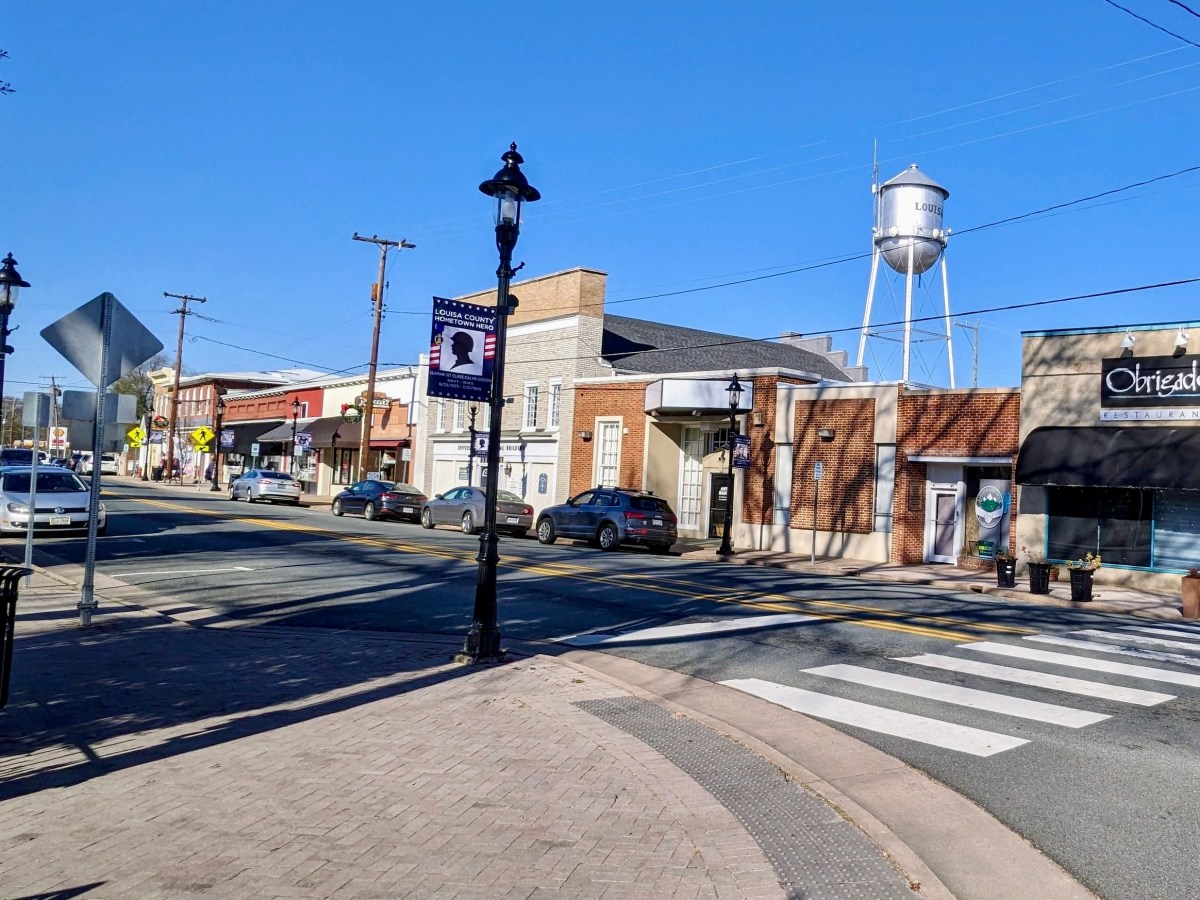
The Town of Louisa faced five resignations in less than a year. Now it’s trying to rebuild
During staffing shortages and months without meeting minutes, residents felt left in the dark. The town is trying to improve its communication.
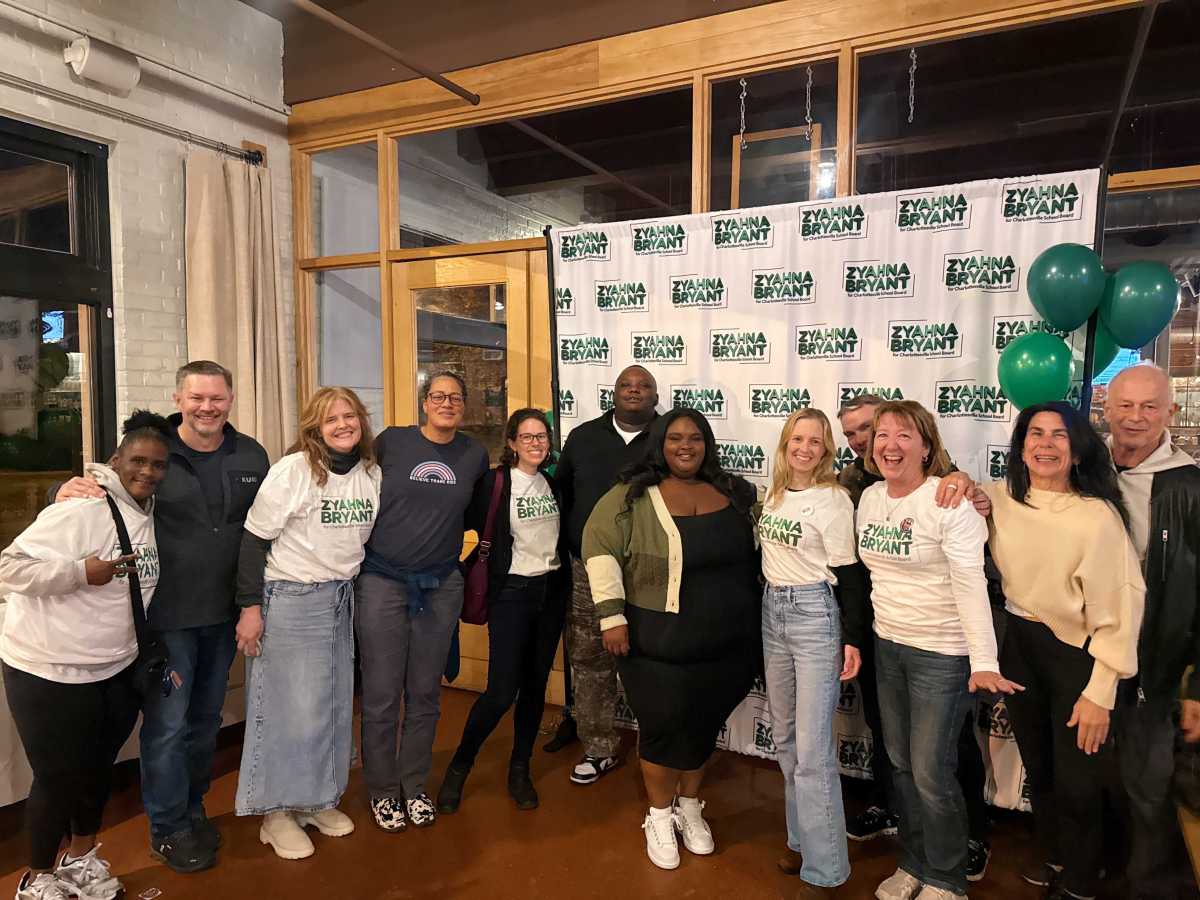
Longtime activist, first-time Charlottesville City School Board member Zyahna Bryant wants to elevate youth voices
“I believe that the community is ready for something new, and so that just makes me so excited to be on the cusp of that and to see a new wave of leadership,” Bryant told Charlottesville Tomorrow.

Matthew Kersey is being challenged by Ashley Michael for Louisa town mayor
Kersey was appointed mayor in July after both the elected mayor and his appointed replacement stepped down in quick succession.