

In Virginia, Boards of Supervisors govern counties, and members are elected to four-year terms. Among other duties, they oversee the county budget, set tax rates and approve zoning regulations, which determine how land can be used. Louisa County’s Board of Supervisors has seven members, one for each district. This year, four of the seven are up for reelection.
In the Mineral District, Republican incumbent Duane A. Adams is challenged by Independent David Harold Rogers. Charlottesville Tomorrow designed a questionnaire for the candidates based on more than 160 responses we received to a voter survey. We’ve listed the candidates’ responses in the order we received them.
Louisa County residents who responded to our voter survey were overwhelmingly concerned with the construction of data centers in the county. So we are devoting our first four questions to data centers. The first is fairly basic: What is your perspective on the presence and growth of data centers in Louisa County?
Duane A. Adams: Currently Louisa County has three approved sites for the construction of data centers. I recently opposed a fourth site in the Mineral District and shortly thereafter the application was withdrawn.
I believe we should take a wait-and-see attitude before proceeding with any future consideration.
David Harold Rogers: We are maybe on the hook for two data centers. I am against any more being built, especially until we see how things go with these two. We don’t need any more data centers in Louisa.
Editor’s note: Amazon has approval to construct two data centers in Louisa County, but withdrew an application for a third data center after residents objected, according to Virginia Mercury. EdgeCore, a Colorado-based company that builds and operates data centers, has also purchased property in the county with plans to build a data center. That proposal is still being considered, according to Virginia Mercury.
What is your perspective on the economic impact of data centers in Louisa County?
Adams: The current investment by [Amazon Web Services] and EdgeCore stand to drive millions of dollars in tax revenue to the county starting in FY27. Along with the jobs created, this is an important part of the county’s financial planning. I’m of the opinion that we can provide substantial tax relief to our citizens utilizing this future revenue. This also allows the establishment of programs to protect and preserve our farms, forests and rural character.
Rogers: Data centers will cost residents if their wells run dry. Electric bills will increase as power companies have to upgrade grids. Only maybe 10 people are needed to run a data center. These jobs are for highly skilled tech people, most likely not from Louisa. All the revenue promised is not certain as a center could become tax exempt and then nothing comes back to the locality. Therefore, the net economic gain would be negative. The current board, including Duane Adams, was negligent in asking the questions from other counties/developers to make the best decision for Louisa.
Editor’s note: According to a community update and FAQ from Louisa County, new county revenues from the AWS data centers “could exceed $25M annually.” The update also said “several hundred” employees are likely “to be associated with” the data centers, and no funds from county revenues will be used to pay Amazon. To learn more about potential impacts from data centers, read this report from Cardinal News.
How do you view the potential impact of data centers on local water, electricity, farmland and the environment? And do you see any ways of mitigating any negative impacts?
Adams: Water will be provided to two campuses utilizing Northeast Creek Reservoir which has a safe yield limit to allow for this use along with existing obligations. EdgeCore will be provided with water from the James River which is earmarked for commercial use along with existing obligations. These 3 campuses comprise 2,100 acres of the county’s total 325,000 acres.* The zoning that allows data centers is limited to very specific locations and contains the county’s strongest zoning regulations.
*Editor’s note: According to a community update and FAQ from Louisa County and the Louisa County GIS listings for parcels owned by Amazon, the two Amazon data centers will comprise approximately 1,600 acres. EdgeCore purchased 697 acres according to a news release. Amazon applied for an additional 1,370 acres but withdrew that application. Louisa County is approximately 511 square miles, or 327,000 acres.
Rogers: I see trees and farmland being swallowed up and animals being displaced and our most precious resources being destroyed in front of our eyes. Our electrical grids will need upgrades, and the cost will be passed on to our citizens. Blackouts and brownouts will happen. When citizen’s wells run dry, as it did in Culpeper, VA*, (cost can START at $3,000 to redrill) it hurts individuals. Air and noise pollution impacts the environment. Their promises to contain negative effects are never enforced or stopped. The best way to prevent the negative effects is NOT TO BUILD THE CENTERS IN THE FIRST PLACE.
*Editor’s note: Charlottesville Tomorrow was unable to find any reports of wells drying up in Culpeper due to data centers, but organizations such as the Piedmont Environmental Council have raised concerns about rapid data center growth compromising Culpeper’s water supply.
What is your perspective on how the county currently approves or rejects data center projects and how community input is considered in those decisions?
Adams: Within the last 18 months the Board of Supervisors has taken action to dramatically reduce the area eligible for data center development.* Additionally the by-right use was taken away requiring Public Hearings with the Planning Commission and Board of Supervisors*. I recently held a Town Hall with 200 attendees on a proposed data center. I believe public input is required and has a direct impact on the decision making process. The recent withdrawal by AWS proves the importance of citizen engagement.
*Editor’s note: Louisa County established the Technology Overlay District, which is designed to encourage development by technology companies in areas that have access to infrastructure but are not residential areas; not designated agriculture or forest areas; or areas of historical significance. In 2024, the county’s Board of Supervisors made the TOD area smaller and added conditional use permits for future projects, Virginia Mercury reported.
Rogers: Considering the first two centers, there was little to no community involvement. It was a decision done in a closed session and secretive way by the present board. For the third center, a community hearing was held. Citizens had questions concerning changes to their environment. The company requesting the permits for the data center construction were not able to answer questions posed concerning water and electricity use, noise and air pollution.
Having the planning commission hold advertised public hearings and notifying citizens living close to a project is needful. After doing research, the commission makes a recommendation to the Board of Supervisors. Then a vote can be made by board members not in position to gain financially from the project. Community input should be the most important part of the process.
In the last decade, Louisa County’s population has grown significantly — and that population growth continues as folks are priced out of larger metro areas and move out into the counties. How do you think the county should handle this growth?
Adams: Residential growth is a draw on county services, ie: schools, fire, law enforcement. The county is currently in the process of implementing Ag and Forestal programs to incentivize our Ag producers to protect and preserve working farms from development. Additionally addressing the zoning sub divisions on larger tracts of land to limit the number of housing lots would go a long way in slowing this growth. Currently there are over 3,500 by-right undeveloped home lots in Louisa County,* so we know that some residential growth will continue. Additionally, driving residential development into our designated growth areas will help slow down the sprawl that slowly destroys our rural character.
Rogers: We need to invest more in our EMS/Police and health care. That is why I am a strong proponent of getting an urgent care facility in our area. We must still seek to help farmers and preserve the family farm. We need to seek business that will hire our local people and pay a living wage. We have to continue to seek out sources of housing.
Editor’s note: *A spokesperson for Louisa County confirmed that there are an estimated 3,500 by-right undeveloped home lots in the county.
Many Louisa County residents also expressed concerns about the county’s infrastructure: roads, water and sewer, for example. Do you see issues you’d like to help improve in the county’s infrastructure? If so, how would you go about it?
Adams: Roads are a VDOT issue that the county has a very limited role. With the completion of the James River Water Project slated for 2026 the long range water supply meets all projected water needs. Wastewater treatment is provided to limited areas of Louisa County by the Water Authority. There will be a significant increase in service area when the Lake Anna Wastewater Treatment Plant comes on line to address expected commercial development along the Rt. 208 corridor. It’s also important to keep in mind that additional service areas increase the likelihood of additional growth both commercial and residential so limiting service to the county growth areas is vitally important to ensure our rural character and slow down growth.
Rogers: I already mentioned how the data centers will affect infrastructure concerning water and power. Preventing their construction will prevent that problem. Data centers will terribly affect our roads as they are constructed. The county roads are not wide or straight enough for large weight-bearing trucks. The county needs to work with VDOT and follow through in forcing trucks to travel down roads designed for their weight and size.
Several Louisa County residents expressed concerns about the school system, including paying teachers a living wage and providing adequate educational opportunities for students. As a supervisor, how would you balance the funding needs of the local school system against other priorities?
Adams: Louisa County Public Schools rank #8 in the Commonwealth*. Educating our children is a core function of local government. Our teachers and staff are consistently provided with substantial income increases, health insurance benefits with county financial support. Currently a new Career Technical Education Center is being built to provide strong educational opportunities for both students and adult learners who are in need of re-education. Louisa County Public Schools is one of the premier school systems in the Commonwealth due to the joint commitment of the School Board and Board of Supervisors.
Rogers: The Louisa County schools are rated in the top five in the state*. We must maintain that. Louisa salaries are very favorable with surrounding counties. We must also have housing for teachers/EMS/Fire/Police that can attract them and keep them here to live and work in our county.
*Editor’s note: The Virginia Department of Education provides “School Quality Profiles” that show school performance on a variety of metrics such as test scores, enrollment and graduation rates, but the department does not provide an overall division ranking. However, there are a number of third-party organizations and publications that provide rankings on different metrics. LCPS notes on its “awards and honors” page that it was ranked #7 in the 2024 “best school districts in Virginia” list compiled by Niche (a company that collects data and profiles on schools and universities across the U.S.) as well as #4 in the “best places to teach in Virginia” and “districts with the best teachers” lists.
What do you think about local law enforcement working with Immigration and Customs Enforcement?
Adams: I would leave the specifics to our Sheriffs Office. However I support the enforcement of our laws that require a person to enter the country on a legal basis.
Rogers: Our local law enforcement should not be working with Immigrations and Customs Enforcement. Louisa has enough to do. Customs and Immigration are both federal agencies and are funded by federal dollars that we all pay in our federal taxes. Our locality cannot afford this and should not pay for this.
Like many areas in central Virginia, Louisa County has and could face challenges from severe weather events, including heavy rainstorms and prolonged droughts that climate scientists predict will become more frequent in the future. What do you think the county’s Board of Supervisors should do to prepare?
Adams: The county has a comprehensive Emergency Management Plan to address natural disasters.
Rogers: The Board should be thinking about getting FEMA back into our county. They should be doing whatever it takes to meet the requirements for FEMA assistance. Right now, if there was flooding, citizens in Louisa don’t have coverage and would be at risk for financial hardship. The current board is responsible for the loss of coverage. Once again drought can be caused by the weather. Low water can be caused by the data centers. Weather conditions we can’t control, but the drain on water caused by data centers we can control. Stopping them would be the smart move.
Are there any other pressing issues facing Louisa County that you would like voters to be aware of?
Adams: Currently the County is updating its Comprehensive Plan which is the guiding document relating to growth and development. Through a series of town hall meetings and public hearings, public input and discussion is needed and wanted. I encourage all residents to involve themselves in the process. Louisa County is facing many challenges and opportunities over the coming years. I believe it’s important for residents to engage with their county leaders and government on a consistent basis and take an active role in the process of building a better Louisa. Attend Board meetings, attend Planning Commission meetings. Call your local elected representatives and make your opinions known. Local government works best when there is vigorous and effective citizen engagement.
Rogers: The proposal of having a three-hundred-unit luxury condo on Lake Anna is of great concern for those living on the lake, as is the data center. People came to the lake for a tranquil and calm view with a serene way of life. Many are disillusioned with the idea of condos and data centers and report they would NOT have come if they had known that a big condo was coming or a data center in their back yard. We need to keep Louisa as rural as possible.
Your vote is important. If you don’t vote, it means you are satisfied with the state of affairs. Tell me things that concern you. I won’t promise I will fix every request, but I will do my best to fix it and be transparent in the process. I won’t vote against my constituents and I will be your voice on the BOS.
More about the candidate and issues
- Campaign finance report for Duane Adams from Virginia Public Access Project
- Campaign finance report for David Harold Rogers from Virginia Public Access Project
- Coverage of town hall on proposed third AWS data center from 29 News
- Report on Amazon withdrawing proposal for third data center from Virginia Mercury
- Report on the data center debate in Louisa from C-VILLE Weekly
- Report on potential tax rebates related to data centers from The Central Virginian
- Report on approval of more condos for Lake Anna Resort from The Central Virginian

Here are key dates and deadlines in the 2025 elections
| Friday, May 2, 2025 | Early voting for primaries begins weekdays at local registrar’s offices. |
| Tuesday, May 27, 2025 | Deadline to register to vote or update an existing registration for the primary election. You can still vote in the primary if you miss this deadline by registering at the polling place and casting a provisional ballot. You do not have to be a member of a political party to vote in that party’s primary election. However, you can only vote in one party’s primary election each year. |
| Friday, June 6, 2025, 5:00 p.m. | Deadline to apply for your ballot to be mailed to you. Requests must be received by your local registrar’s offices by 5 p.m. |
| Friday, June 6, 2025, 5:00 p.m. | Deadline to apply online for an absentee ballot using the Citizen Portal. |
| Saturday, June 7, 2025 | Local voter registration offices open on Saturdays for early voting for primaries. |
| Saturday, June 14, 2025, 5:00 p.m. | Early voting for primaries ends at local registrar’s offices. |
| Tuesday, June 17, 2025 | Primary Election Day! |
| Friday, Sept. 19 to Saturday, Nov. 1, 2025 5:00 p.m. | Check with your local registrar’s office for early in-person voting. |
| Friday, Oct. 24, 2025, 5:00 p.m. | Deadline to apply with your local registrar’s office for a ballot to be mailed to you. |
| Tuesday, Nov. 4, 2025 | Election Day! |
We will update this list periodically as deadlines approach or we receive new information.
Register to vote, check your registration, find your polling places and apply to vote absentee at the Virginia Department of Elections here. Remember, even if you miss registration deadlines, you can register through Election Day and vote using a provisional ballot.
Need to know if you’re eligible to vote? Here are resources from the Virginia Department of Elections.

Subscribe for Voter Guide updates
Take a survey to help us continue to build this voter guide!
The latest from the 2025 Voter Guide
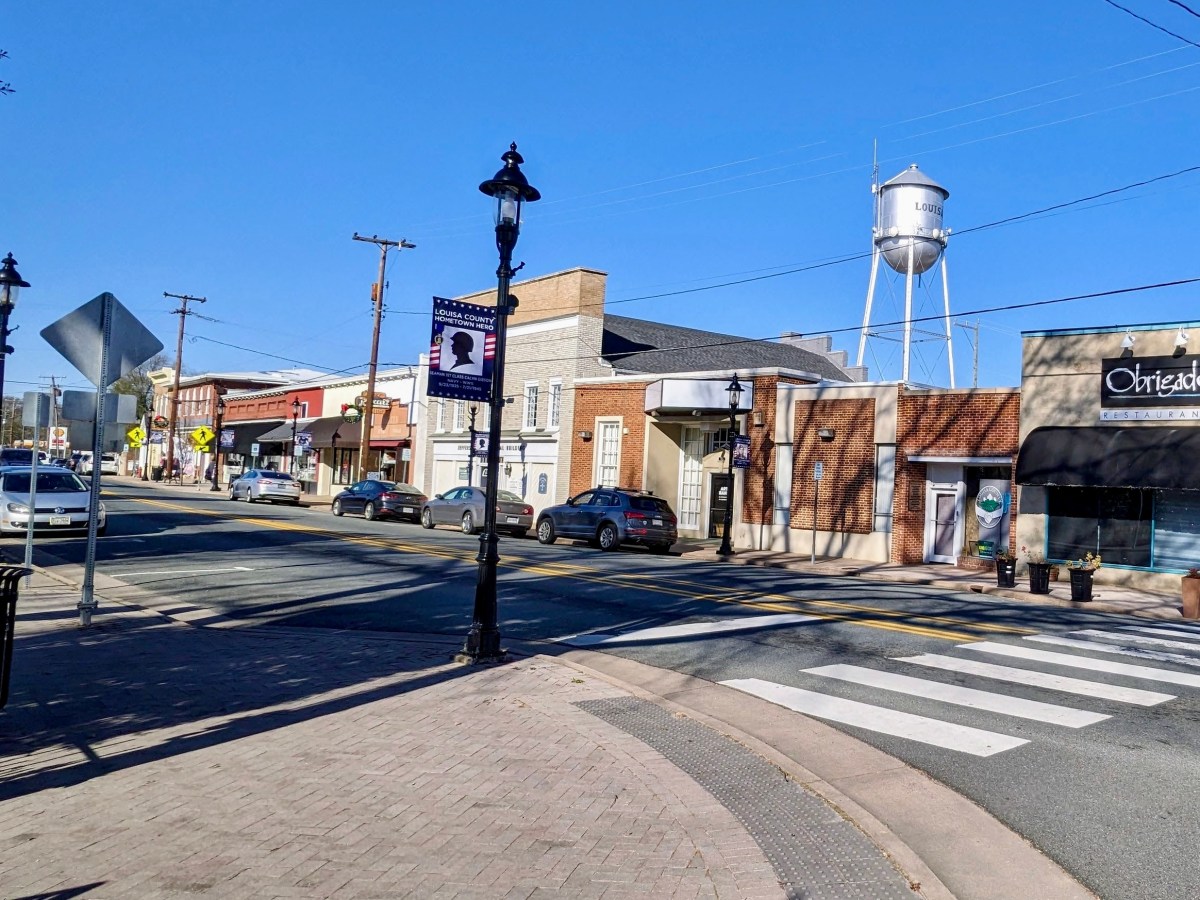
The Town of Louisa faced five resignations in less than a year. Now it’s trying to rebuild
During staffing shortages and months without meeting minutes, residents felt left in the dark. The town is trying to improve its communication.
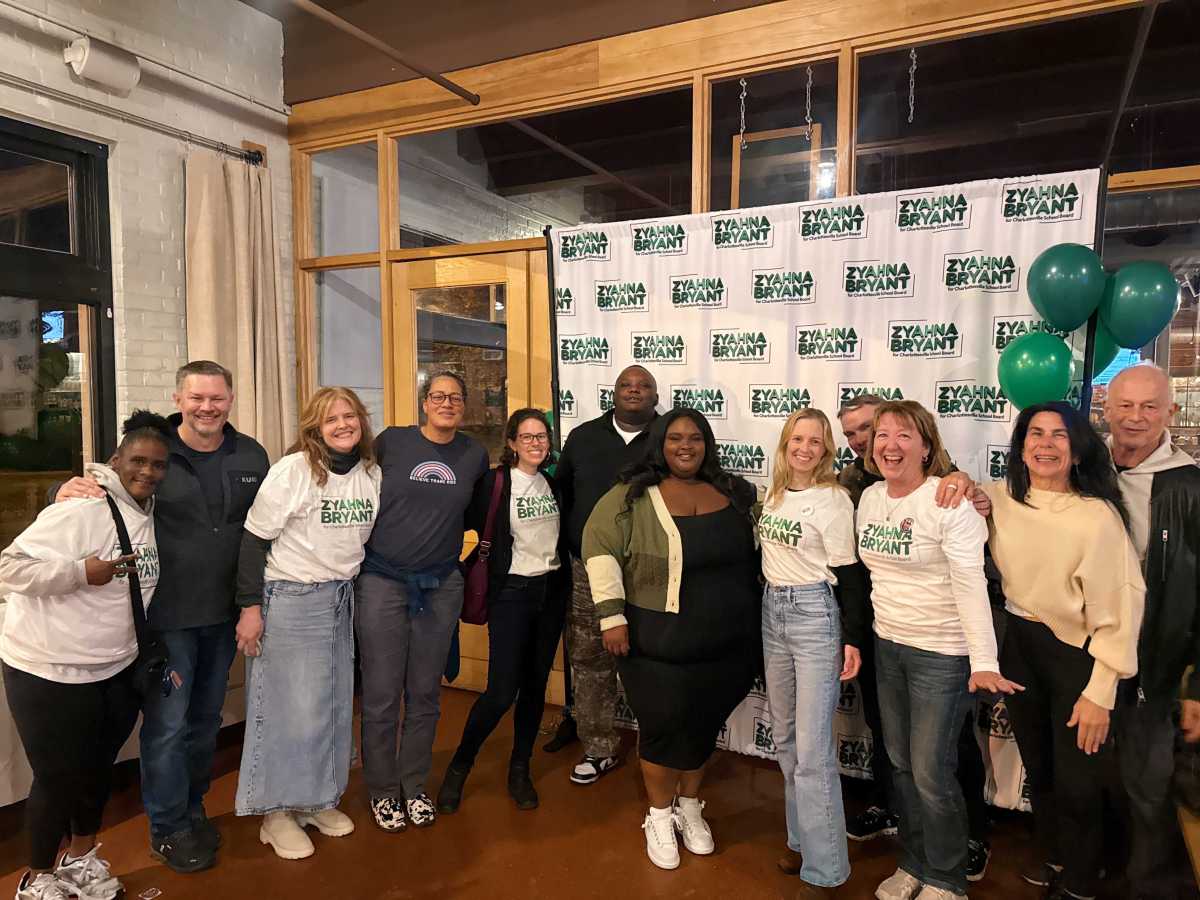
Longtime activist, first-time Charlottesville City School Board member Zyahna Bryant wants to elevate youth voices
“I believe that the community is ready for something new, and so that just makes me so excited to be on the cusp of that and to see a new wave of leadership,” Bryant told Charlottesville Tomorrow.

Q&A with two candidates, Juandiego Wade and Jen Fleisher, running unopposed for two seats on the Charlottesville City Council
Fleisher and Wade won the Democratic primary for the Council race, beating out Councilor Brian Pinkston.