


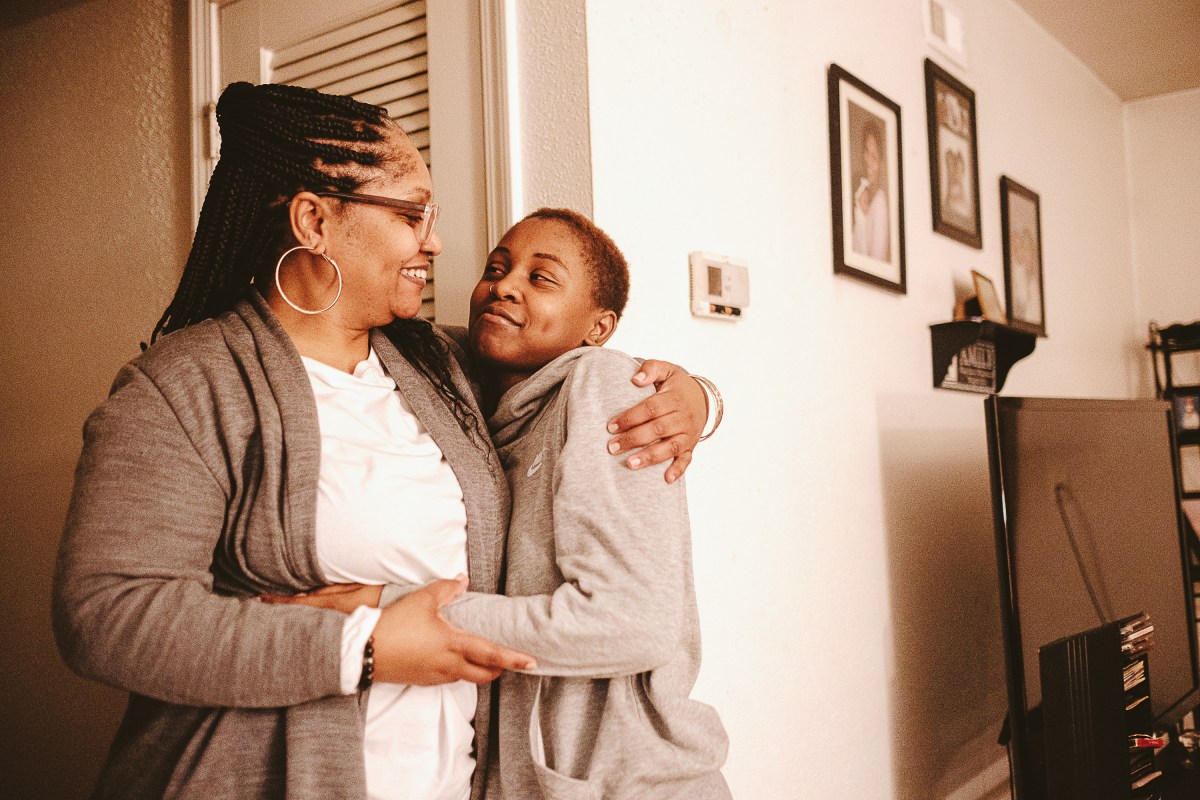
Lanika Hester had just fallen asleep when a chilling scream woke her.
She leapt out of bed and bolted into the next room, where she found her daughter, Elesia Cooper, doubled over in pain.
“I’m fine Mom, I’m fine,” Cooper cried, tears streaming down her face.
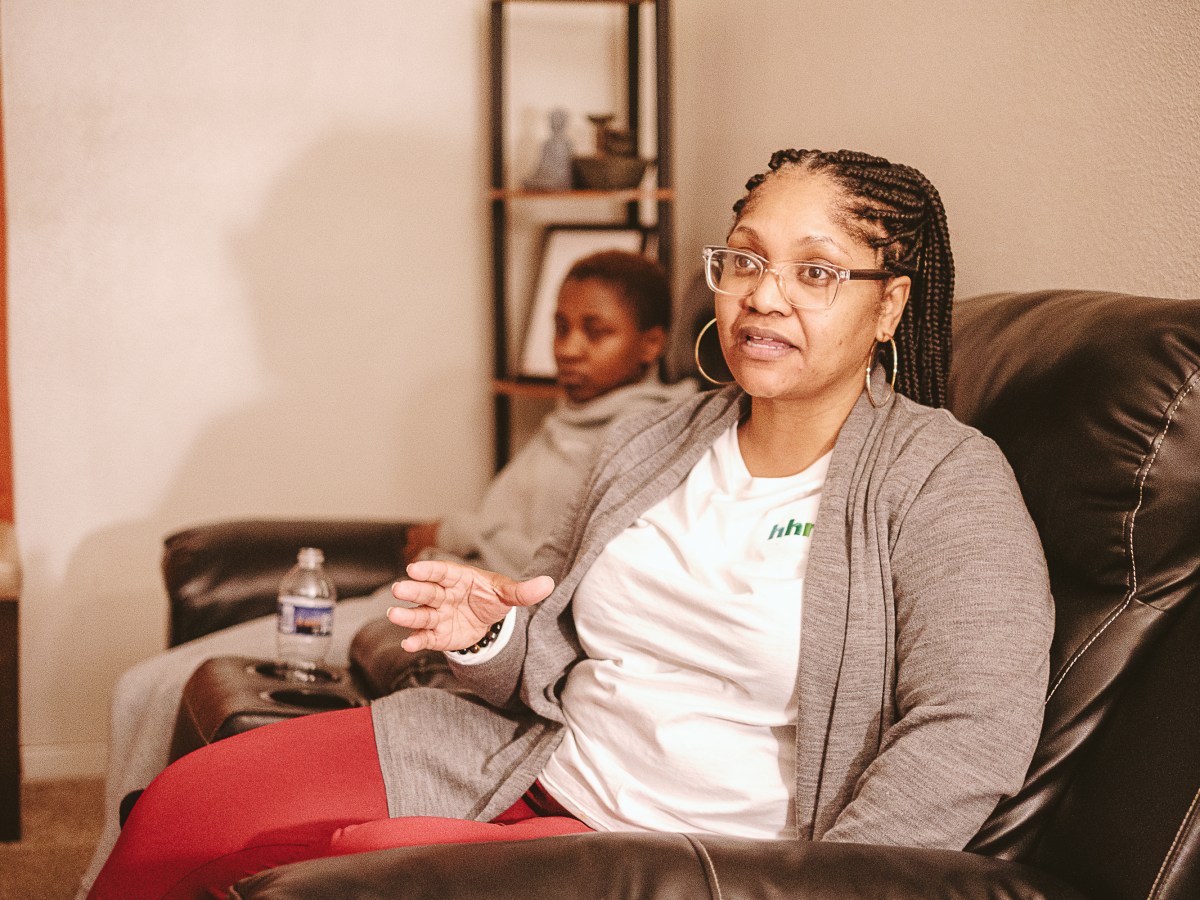
Hester knew her daughter wasn’t fine. She’d lost count of the number of times the 18-year-old had woken up in their Albemarle County apartment this way in spring 2023, and the number of times they’d gone to the emergency room. Every time, she said, doctors declared Cooper dehydrated, gave her IV fluids, and sent her home with directions to drink more water, only to have it happen again a few days later.
Cooper had enrolled in her first year of college at Hampton University the previous fall. But she became desperately ill when she returned to their home in the Park’s Edge complex near Albemarle High School for winter break. By the time she was supposed to return in late January, she was too ill to go back, Cooper said. She ended up dropping out.
Cooper’s illness continued through the spring. She was weak and couldn’t keep food or liquids down — she’d lost almost a quarter of her body weight, Hester said.
The family was desperate for a diagnosis. Then, in June 2023, a new nurse practitioner came back with a shocking theory.
“Immune suppression and symptoms consistent with mold exposure,” the nurse wrote in her visit summary. “I strongly suspect that the current mold exposure is contributing to your symptoms. I am medically requiring past home/mold testing.”
Mold.
For more than two years, Hester and Cooper had watched it creep down their kitchen wall, a splatter of spores re-growing from the corner of the ceiling in their basement apartment every time property maintenance claimed to have removed it. Hester had suspected, after at least half a dozen floods covered the floors of her apartment with cloudy, foul-smelling brown water, that it was sewage.
What she didn’t realize was that the mold could be the reason her daughter was so sick.
The nurse’s letter prompted Hester to push hard for property management to test her apartment for mold. It took months, and dozens of emails back and forth, for them to agree. And when a well-respected mold inspector finally visited her apartment, his test confirmed it: mold in the kitchen and on the HVAC vents.
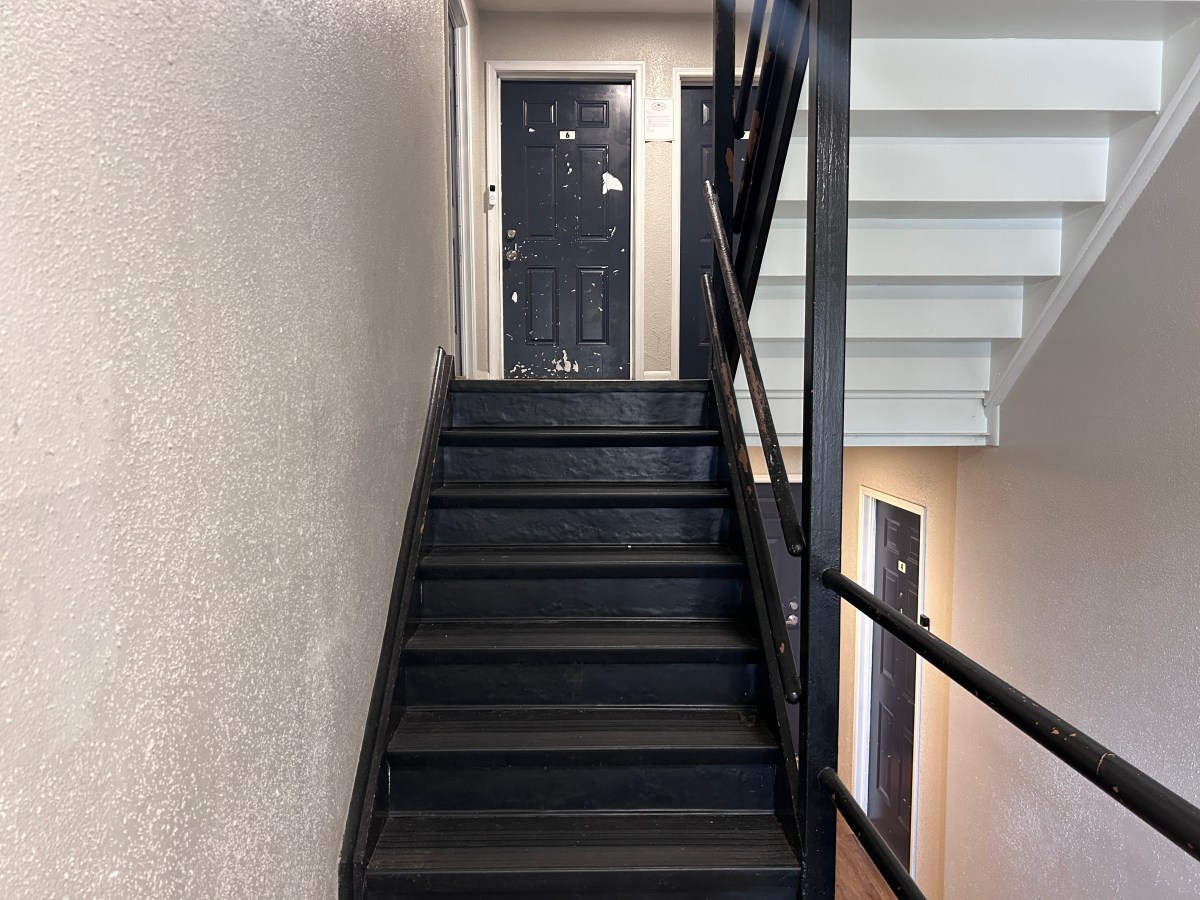
The solution seemed obvious: Remove the mold and fix its causes — likely a leak and a badly-installed HVAC filter. A mold inspector even recommended this. But the leak wasn’t a quick fix, and the mold in Hester’s apartment was just one on a long list of maintenance and safety issues plaguing the Park’s Edge apartment complex.
Sewage has flooded my apartment and they have yet to fix it. It’s madness here.
—Lanika Hester’s email to a community organization on Sept. 13, 2022
Hester and her neighbors had been trying for years to correct these issues, with little success. They had even enlisted the help of local pro bono attorneys, but the attorneys also struggled to move the needle.
Why?
The Virginia Residential Landlord and Tenant Act makes it difficult for anyone to force a landlord to address poor living conditions, even dangerous ones like black mold. Tenants can technically sue landlords, but the requirements for filing such a suit either disqualifies or discourages many tenants from doing so.
Add that to the fact that tenants — especially those with low incomes — don’t often have access to legal assistance to help them navigate the justice system. Tenants can’t band together to sue their landlords, either — Virginia is one of just two states in the U.S. that does not allow class-action lawsuits. The other is Mississippi.
The Virginia General Assembly has tried to change that. In 2024, the state legislature passed a bill that would allow class-action suits, but then-Governor Glenn Youngkin vetoed it. State lawmakers passed a similar bill during its 2026 session, but Governor Abigail Spanberger vetoed it when the General Assembly did not accept her amendments to the bill.
Local governments aren’t always much help, either. Under Virginia law, the only way a local government can effectively hold a landlord accountable for conditions inside a building is through a rental inspection program. Some Virginia localities have created those programs. Albemarle County is not one of them.
In recent years, county leaders have said state law makes it too difficult to start one here. But since Charlottesville Tomorrow began reporting this series, and reaching out to public officials about conditions at Park’s Edge, conversations about rental inspections have begun.
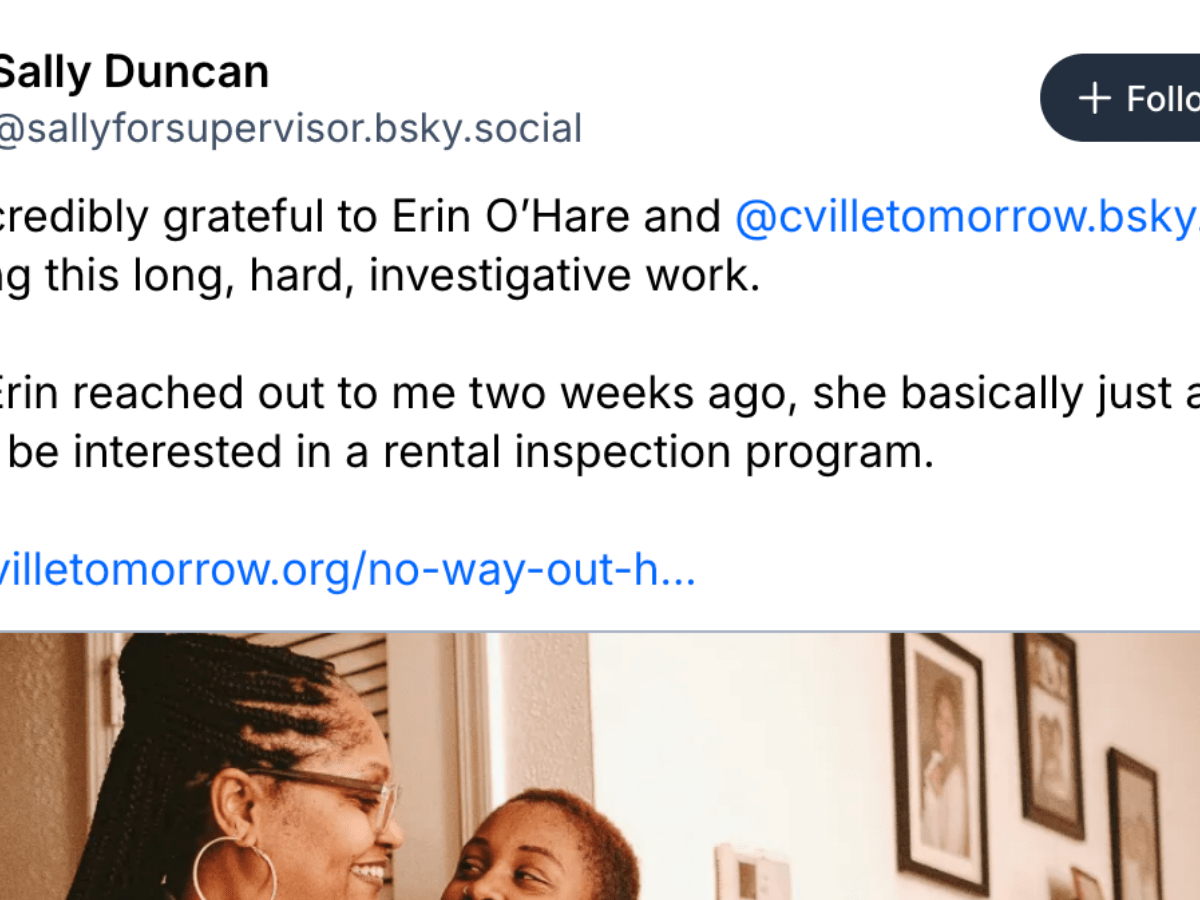
“I have always been told that we don’t, that we can’t do anything for renters and tenant protections and holding landlords accountable,” Supervisor Sally Duncan, who represents the Jack Jouett District where Park’s Edge is located, said during the May 20 Board meeting. “I was made aware last week that that’s actually not the case.”
Supervisor Mike Pruitt represents the Scottsville district and is an attorney who has worked in housing law. He cited Charlottesville Tomorrow’s investigation in his remarks.
“This is something that I think most, several members of the Board have thought about previously, because Erin O’Hare, doing great work, doing the Lord’s work, has been hounding this issue for a while and doing a really long-term investigative report on it,” Pruitt said. Though he has some reservations about rental inspection programs, particularly around costs and potential unintended consequences for tenants, he wanted to know what was possible.
Until Albemarle County and others make policy changes, though, it’s up to tenants to advocate for themselves.
“You’re basically counting on tenants to do this individually,” said former Del. Sally Hudson, a public policy professor at the University of Virginia who represented all of Charlottesville and parts of Albemarle County in the General Assembly from 2020 to 2024. “And we all know this is beyond the reach of most of the tenants who need the safety protections.”
Even if a single tenant does manage to take a landlord to court and win their case, all they can hope to receive are damages, which is a legal term for financial compensation for whatever the tenant lost. There is no way for them to force the landlord to fix a problem as it is happening.
It’s a fairly common position for renters with low incomes to find themselves in, said Victoria Horrock, an attorney with the Charlottesville office of the Legal Aid Justice Center.
“Inside the legal system, it’s very frustrating,” Horrock said. “A lot of tenants will get blamed for problems in their unit. But then it turns out that everyone in the building has that exact same problem.”
And beginning in at least 2020, this was precisely what Hester and her neighbors say was happening at Park’s Edge.
In the first report of this series, find out what residents tried to do to improve conditions in Park’s Edge — and why most residents could not simply move out.

Floods, roaches, rats, mold — these are just a few of the issues in Charlottesville Tomorrow’s investigation into how Virginia law often fails to protect vulnerable renters.
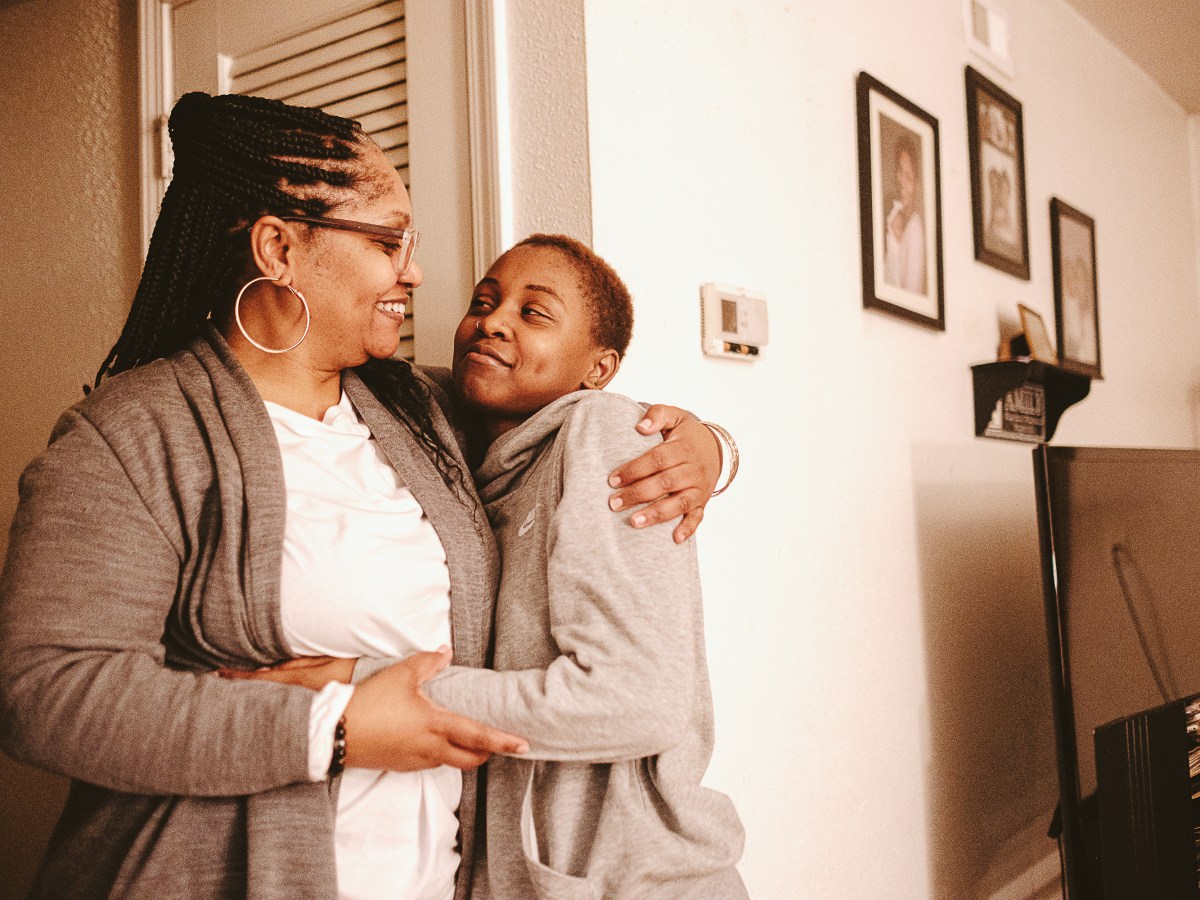
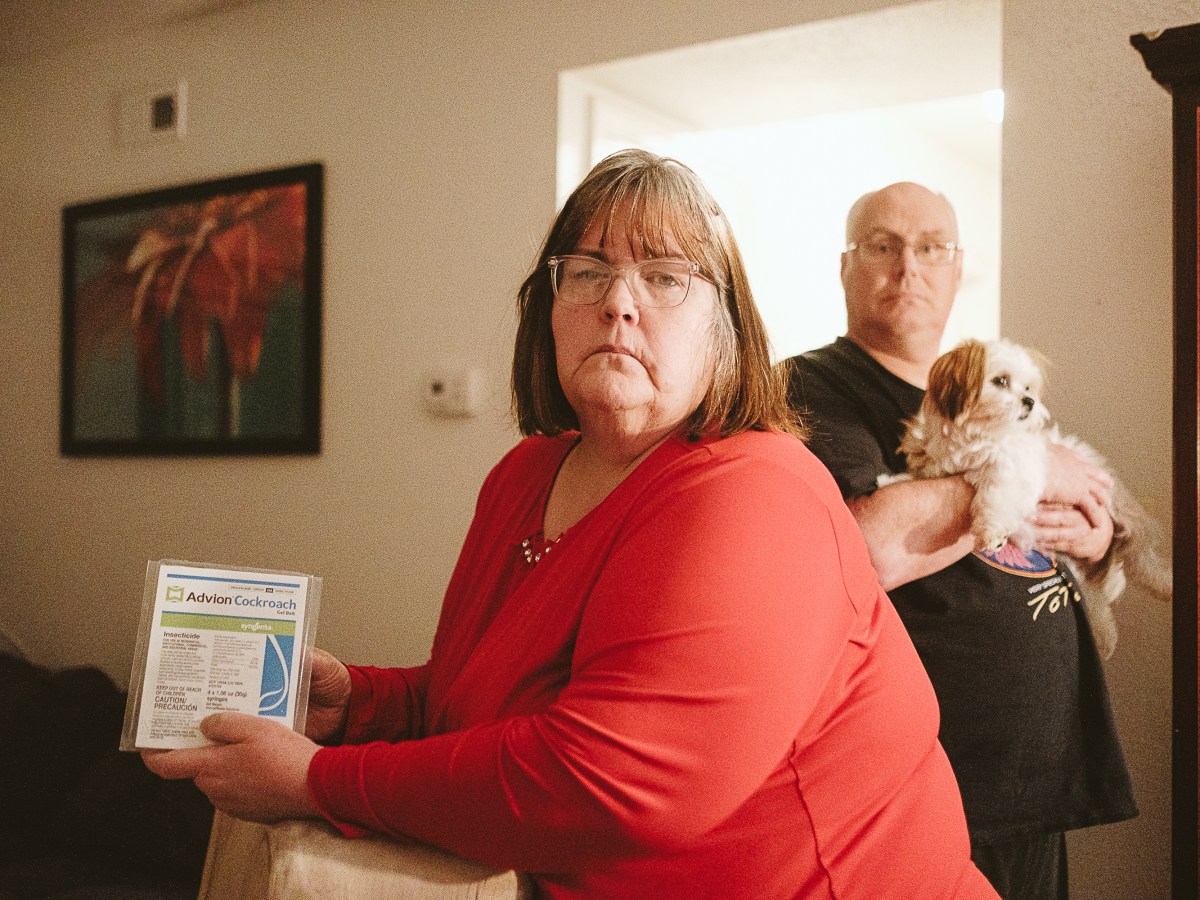
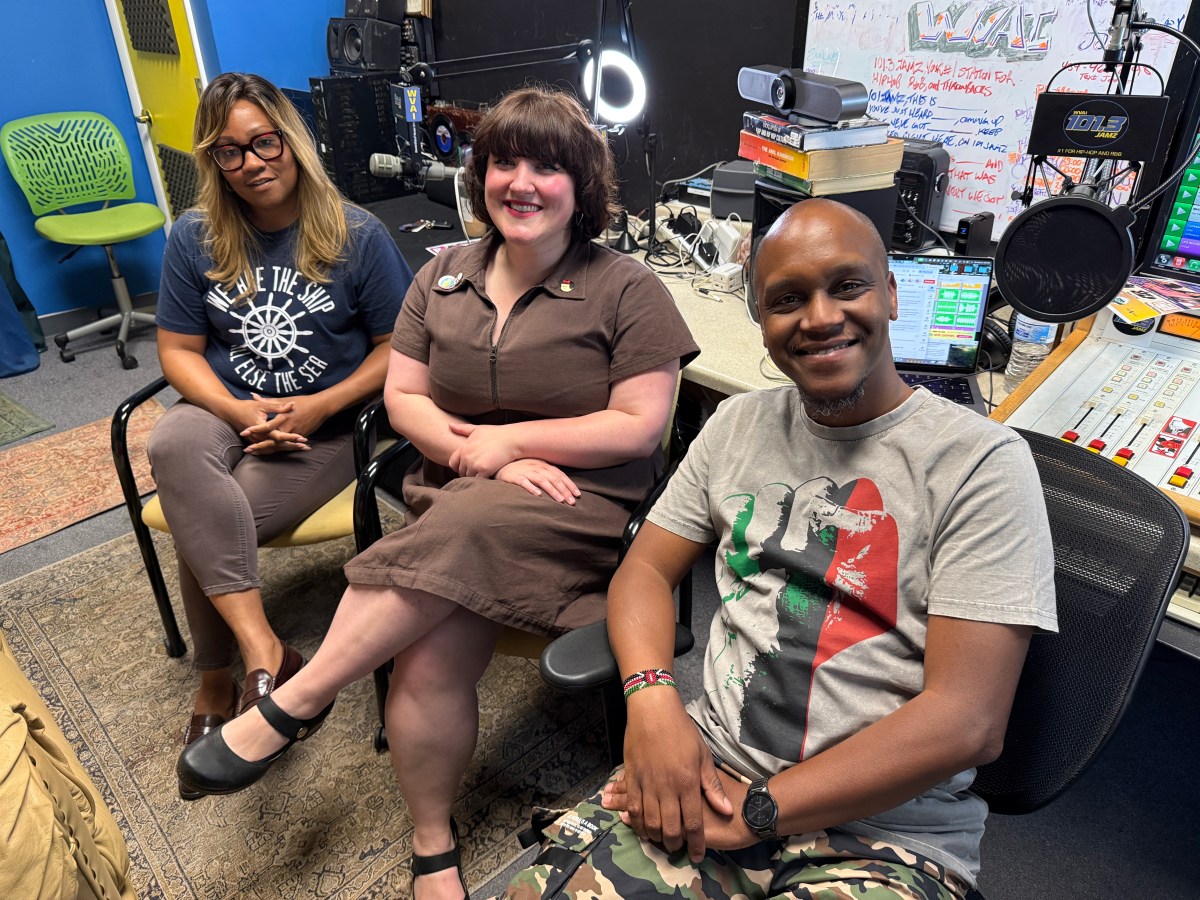
This series, reported over years of following tenants’ stories, is about what happens when renters in Virginia try to improve the conditions of their homes. It took reviewing images and records, hundreds of emails between residents of Park’s Edge, their landlords and advocates, court records and legislative efforts.
It was reported by Erin O’Hare with editing by Jessie Higgins, photography by Ézé Amos and O’Hare, with images and documents provided by residents of Park’s Edge, editing and design by Angilee Shah and Ashley Harper.
Follow the series over the week of June 1, 2026 by subscribing to Charlottesville Tomorrow’s free Beyond the Headlines newsletter.
Erin’s reporting is a testament to what can happen when journalists listen to their community, paving the way for change when other systems fail.
Investigative journalism is essential to a healthy democracy — it informs citizens, holds institutions accountable and catalyzes action. If you believe these stories deserve to be told, consider donating. Together, we can ensure that more voices are heard and that the stories that matter most do not go untold.
This article appears in No Way Out.