
The University of Virginia on March 21 released two independent reports related to the Nov. 13, 2022, shooting that killed three students and injured two others.
In the wake of the tragedy, UVA’s Board of Visitors and President Jim Ryan asked Virginia Attorney General Jason Miyares to appoint a third party to independently investigate the university’s response to the shooting. The groups also looked into the university’s ability to assess potential threats.
The resulting reports from two separate law firms totaling 192 pages were released to the public Friday.

The report by law firm Quinn Emanuel Urquhart & Sullivan concluded that “no reasonable person” could have predicted the shooting. The firm also recommended changes to university threat assessment policies, but said that implementing them would not “prevent all instances of violence.”
It’s unclear from the report to what extent the university was aware of a potential threat before the incident.
The report makes several recommendations, including additional resources for UVA’s Threat Assessment Team, an improved incident management and referral system, and the creation of additional support mechanisms to address students in distress who do not rise to the level of a threat.
A separate report from law firm Vinson & Elkins also noted that the initial emergency alert to UVA students and faculty should have gone out sooner, noting it was sent sixteen minutes after the first 911 call.
“That elapsed period of time is too long given the timeline of most active shooting incidents and could have resulted in University community members being subject to preventable risk by unknowingly continuing to move freely around Grounds despite the presence of an active shooter,” the report said. The delay was due, at least in part, to difficulties in contacting the UVA Police Division shift commander for the necessary approval.
The 2022 shooting took the lives of three student athletes: Devin Chandler, Lavel Davis Jr., and D’Sean Perry. Michael Hollins Jr. and Marlee Morgan sustained serious injuries.
After being apprehended in 2022, Christopher Darnell Jones Jr., a former UVA student, in 2024 pleaded guilty and is awaiting sentencing.
The reports, which cost taxpayers $1.5 million according to The Daily Progress, were meant to shed light on the shooting and the university’s response. The newspaper sued UVA after it refused to release the report to the Progress after a Freedom of Information Act request. That lawsuit was dismissed in July.
UVA has previously said the report would be redacted when it was released. Before releasing it to the public, UVA also shared it with the families of the victims and two students who were seriously injured. Happy Perry, mother of D’Sean Perry, told the Daily Progress in February after viewing the report, “There’s nothing in there. They taken everything out.” (Subscribers can read the full story here).
The reports are full of redacted text — sometimes several full pages in a row are blacked out. UVA said the redactions are necessary “to mark out private student information required by federal law, as well as sensitive public safety information.” The report cites multiple state and federal laws to explain the redaction.
The Quinn Emanuel report outlined five factors that prevented the Threat Assessment Team from functioning effectively. Three are visible in the report:
- Lack of ongoing student support: UVA didn’t have a case management system to monitor and support struggling students outside the threat assessment process. This made it harder for UVA to “intervene early to avoid escalation of struggles to crisis, or to continue to monitor students who may no longer present a threat, but who should nevertheless continue to receive University support.”
- Not enough investigative resources: The Threat Assessment Team (TAT) was stretched too thin, trying to support “the community at large, offer specific resources to struggling students, and also meeting their investigative obligations to the TAT.” That took away from its ability to investigate potential threats, especially those without clear signs of criminality.
- Excessive reliance on student governance: UVA’s student-run disciplinary system slowed things down, the report said. It made it harder for university officials to take quick action and created reluctance to involve campus police in non-criminal cases, even when extra investigative help was needed.
The other two reasons were redacted.
“I recognize that the necessary redactions in these reports will likely make reading them a frustrating process, but we are bound by law,” Ryan said in a statement that was released along with the reports. Ryan also said that UVA could request that individuals waive their right to keep their information redacted. “Unfortunately, despite our request, the University did not receive such a waiver from Christopher Jones, the convicted shooter. Our hope is that the accompanying executive summary will help in navigating the contents of the reports.”
In a statement, Ryan said UVA had already taken several steps to improve safety since the shooting. Those include strengthening UVA’s threat assessment system by hiring additional staff, improving training for non-law enforcement personnel, enhancing student support services, advocating for a campus firearm ban in Virginia, and adding police and housing representatives to its Threat Assessment Team.
A full list of actions UVA has taken can be seen here. The Quinn Emanuel report can be found here and the Vinson & Elkins report can be found here.
While we can’t cover every story that’s important to you, we do our best to be responsive to your needs. We use tips from readers to choose which stories to cover, to incorporate information into broader reports or to help us decide how to grow Charlottesville Tomorrow. Here’s where you can tell us what you think we should be covering.
More about the 2022 shooting at UVA
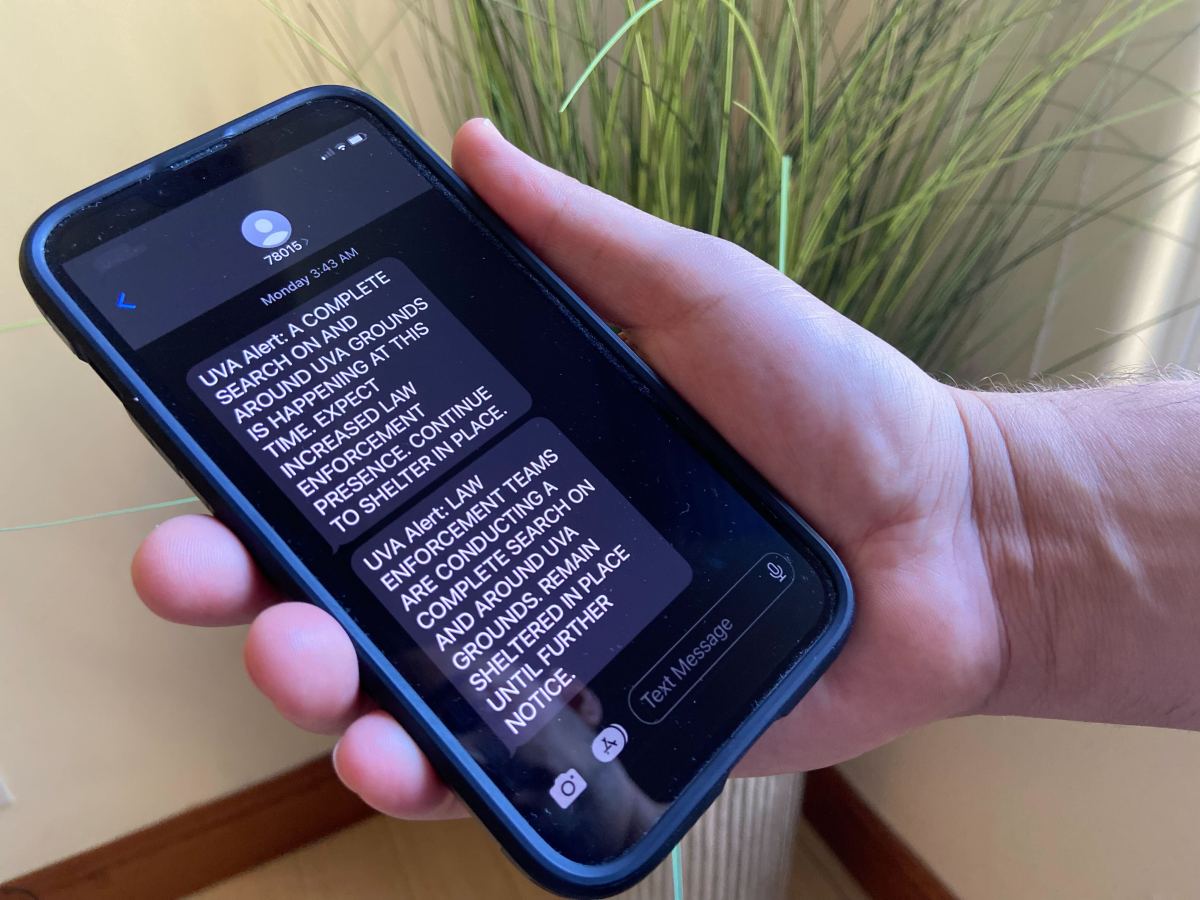
UVA Police locked down campus during Sunday night’s manhunt, but did not alert community members living blocks away
“It’s scary to think that a shooter was loose in my city for so long and I had no idea,” Paige Robinson said. “We’re the same community.”

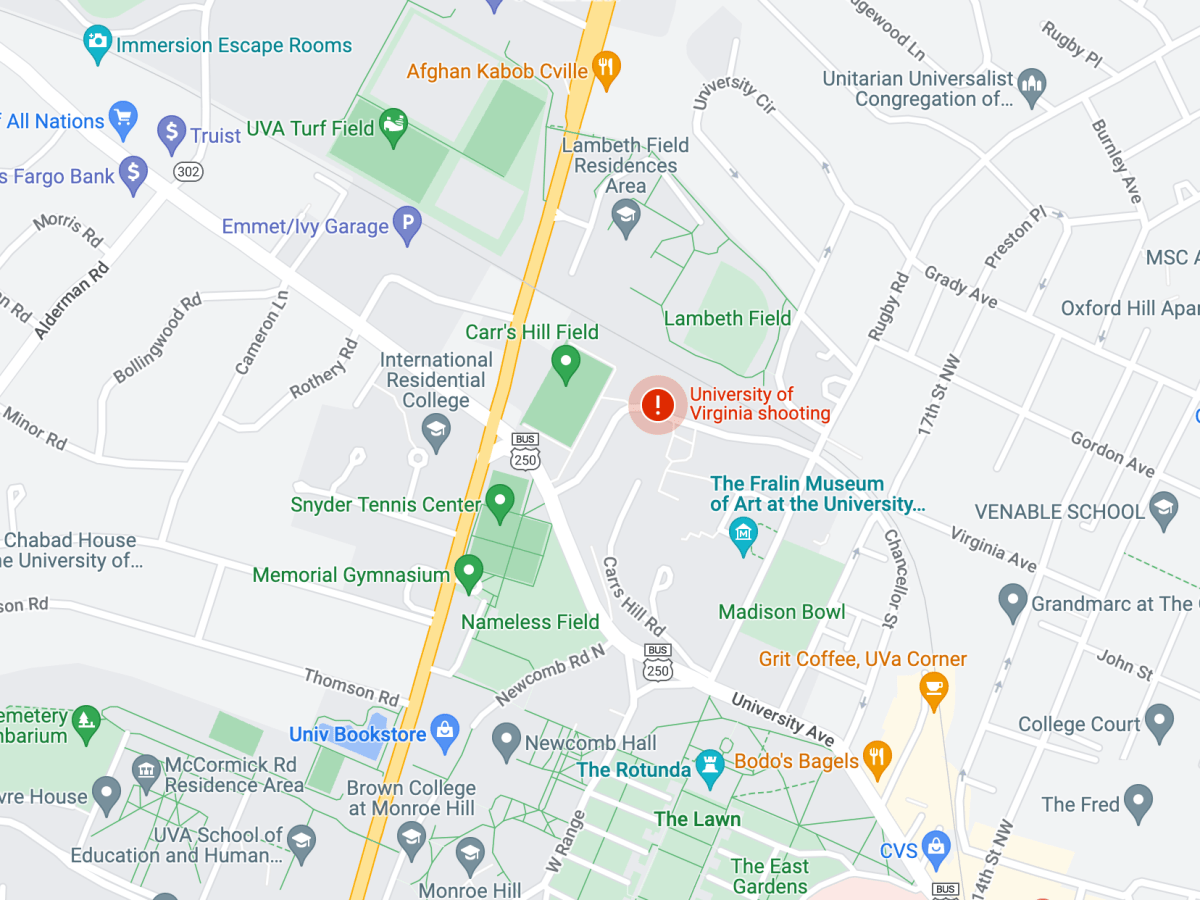
UVA was locked down for 12 hours before the suspect in a shooting on campus was caught
Three people were killed and two were injured in a shooting on Culbreth Road on Sunday night.


UVA suspected shooter had guns, ammunition in his dorm room
Plus, more headlines from this week from news organizations locally and around the country.
More local News
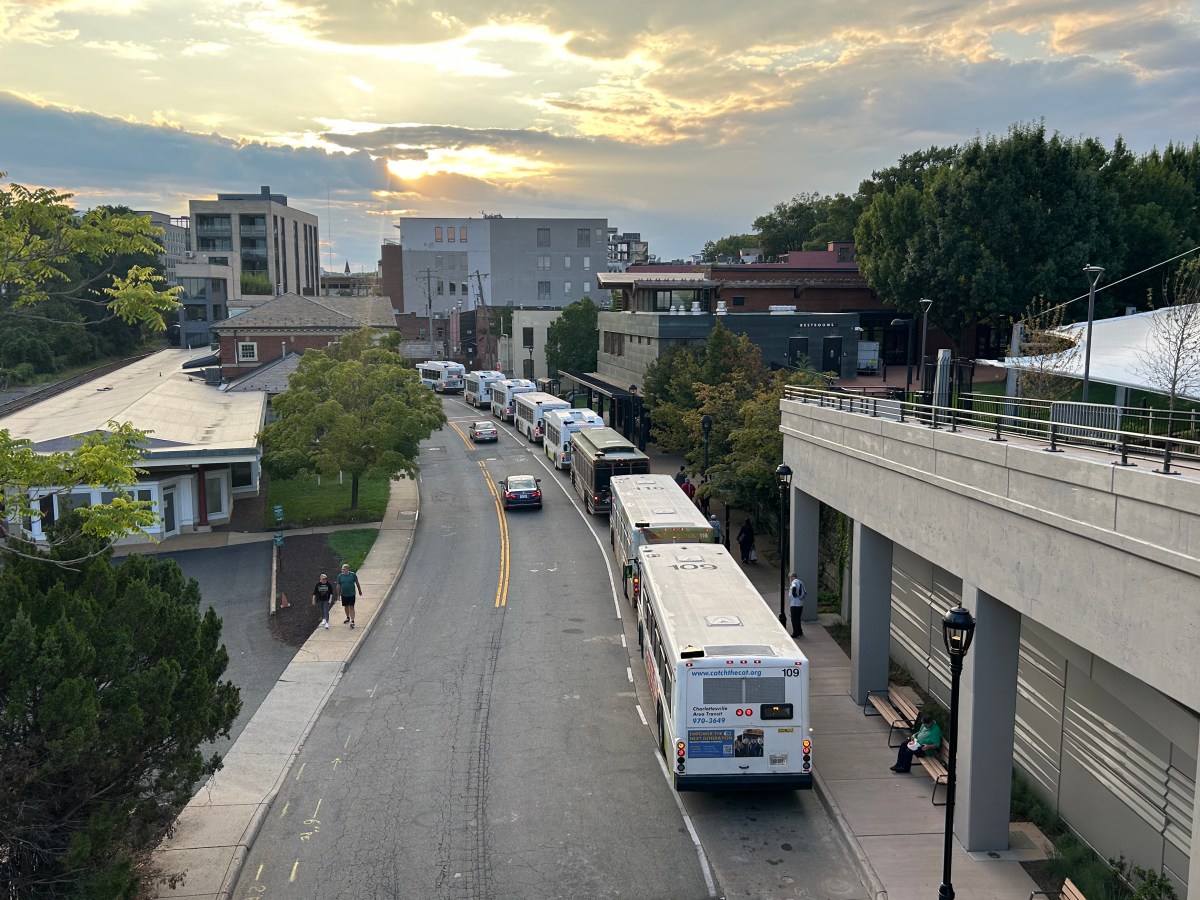
How do you use Charlottesville Area Transit? Take an on-board survey to let CAT know
The on-board survey, conducted in a partnership between the City of Charlottesville and UVA, will take place on select bus routes and will help to collect crucial data about transfer locations.

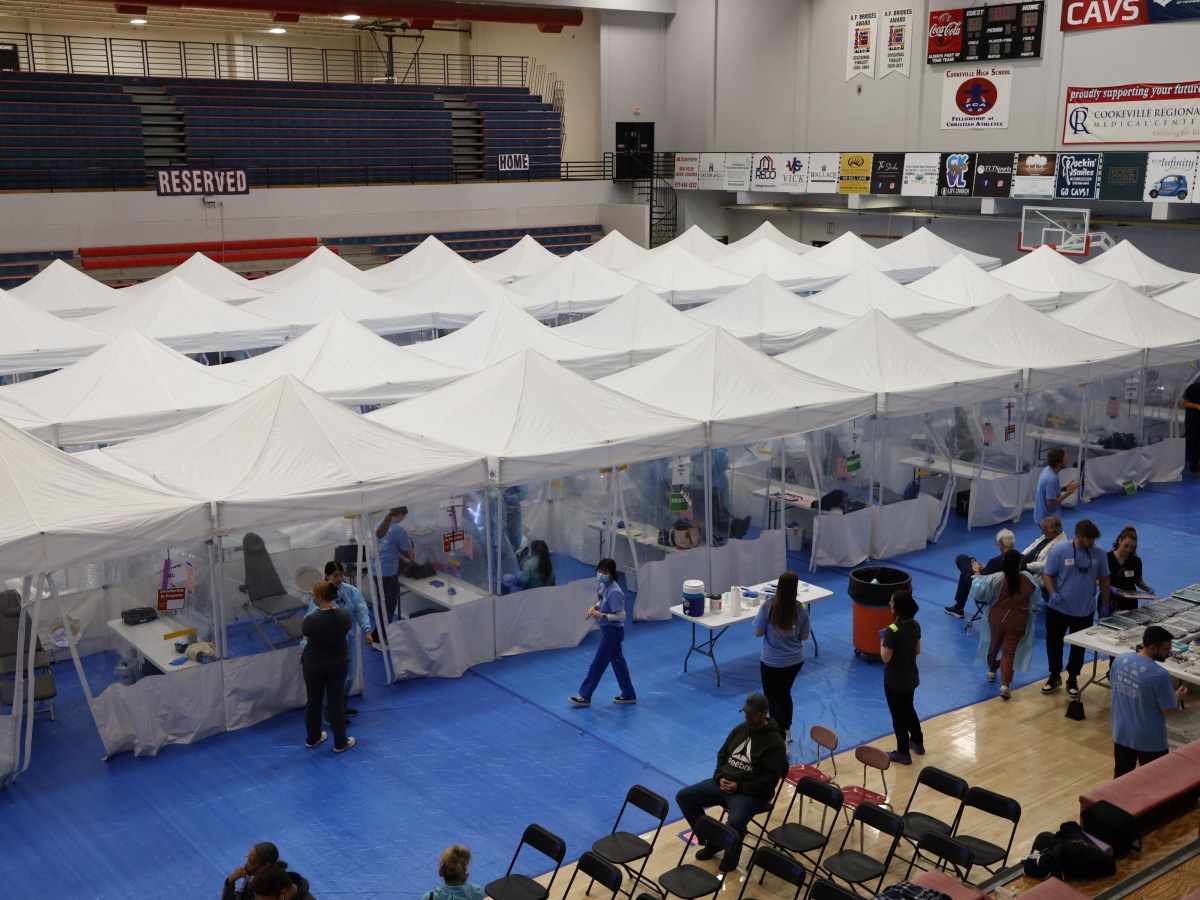
Free pop-up healthcare clinic coming to Fishersville in March will offer exams, glasses and more
The nonprofit’s pop-up clinic requires no ID or insurance — but spots fill fast.
Albemarle County School Board to vote March 12 on proposed changes to student clubs following controversy over guest speakers
The proposed policy changes have been in the works for months but gained new attention after discussion around the growing presence of groups like Turning Point USA on school campuses.

This community leader believes inclusive civic engagement can transform institutions
“Having a seat at the table, it really opens you up to the reality of, ‘I am an individual with a voice and with power,’” said Ivet Aviles.

In 20 years, this UVA professor hopes that Dillon’s Rule is a distant memory
UVA School of Law professor Richard Schragger wants Virginia to reject Dillon’s Rule, which limits local government power.