Remote Area Medical, a nonprofit organization, will host a free pop-up clinic at the Augusta Exposition Center in Fishersville during the weekend of March 21-22, offering a wide range of services on a first-come, first-served basis.

Remote Area Medical specializes in hosting free pop-up clinics for underserved communities across the U.S. Services range from dental work such as teeth cleaning, fillings, extractions and X-rays, to eye exams and on-site prescription glasses, medical exams and women’s health checkups. There will even be haircuts available.
“For millions of Americans, access to basic healthcare is a challenge at best and an impossibility at worst. Due to geographic or economic barriers, much of the U.S. population is uninsured or underinsured,” wrote Allison McCauley-Cook, Remote Area Medical media coordinator, in a news release.
Clinics like the one taking place in Fishersville are an attempt to bring basic healthcare services to those who need it.
“We will provide free healthcare to anyone — no ID or insurance needed — until we reach our daily capacity,” McCauley-Cook told Charlottesville Tomorrow last summer.
Take action
Attend Remote Area Medical’s free pop-up clinic in Fishersville
Remote Area Medical, a nonprofit organizing pop-up clinics, is bringing free healthcare to Fishersville on Saturday and Sunday, March 21-22. The clinic will offer dental, vision and medical services free of charge to anyone on a first-come, first-served basis. No ID is required.
If you choose to camp in the parking lot prior to the clinic to ensure a spot — a common practice, according to a Remote Area Medical spokesperson — the parking lot opens the evening of March 20 no later than midnight.
The clinic will be at the Augusta Exposition Center, 277 Expo Road, Fishersville, 22939. The clinic opens at 6 a.m. and closing time varies based on demand and the number of volunteers. Sunday hours are shorter. For more information about the event and services available, visit the Remote Area Medical website.
These clinics work on a first-come, first-served basis and it’s common for people to travel for the clinic and camp in the parking lot the night before to ensure a spot, said McCauley-Cook. The clinic’s ability to see patients always depends on how many volunteers the organization manages to find.
In 2025, Remote Area Medical served 25,383 patients in the U.S. across 27 states, including 2,334 patients in Virginia, according to an interactive map on its website. During the nonprofit’s last pop-up clinic in Fishersville in 2024, the organization provided more than $314,000 in medical services, including 204 eye exams and 273 dental extractions, to 403 patients.
While we can’t cover every story that’s important to you, we do our best to be responsive to your needs. We use tips from readers to choose which stories to cover, to incorporate information into broader reports or to help us decide how to grow Charlottesville Tomorrow. Here’s where you can tell us what you think we should be covering.
More about public health in central Virginia

Proposed Fluvanna gas plant could lead to new premature deaths and rising asthma rates, study finds
A Harvard study projects increased pollution and long-term health impacts across central Virginia.


One in three Virginia mothers struggle to find mental health care for their children
Mothers described navigating long waits, limited providers and a system stretched thin as youth mental health needs rise.

If Congress reduces Medicaid funding, many central Virginians could lose access to mental health and addiction recovery services
Overdose deaths have declined in Virginia in recent years, but advocates say that trend could reverse if Medicaid funding is reduced in the federal budget.
More local News
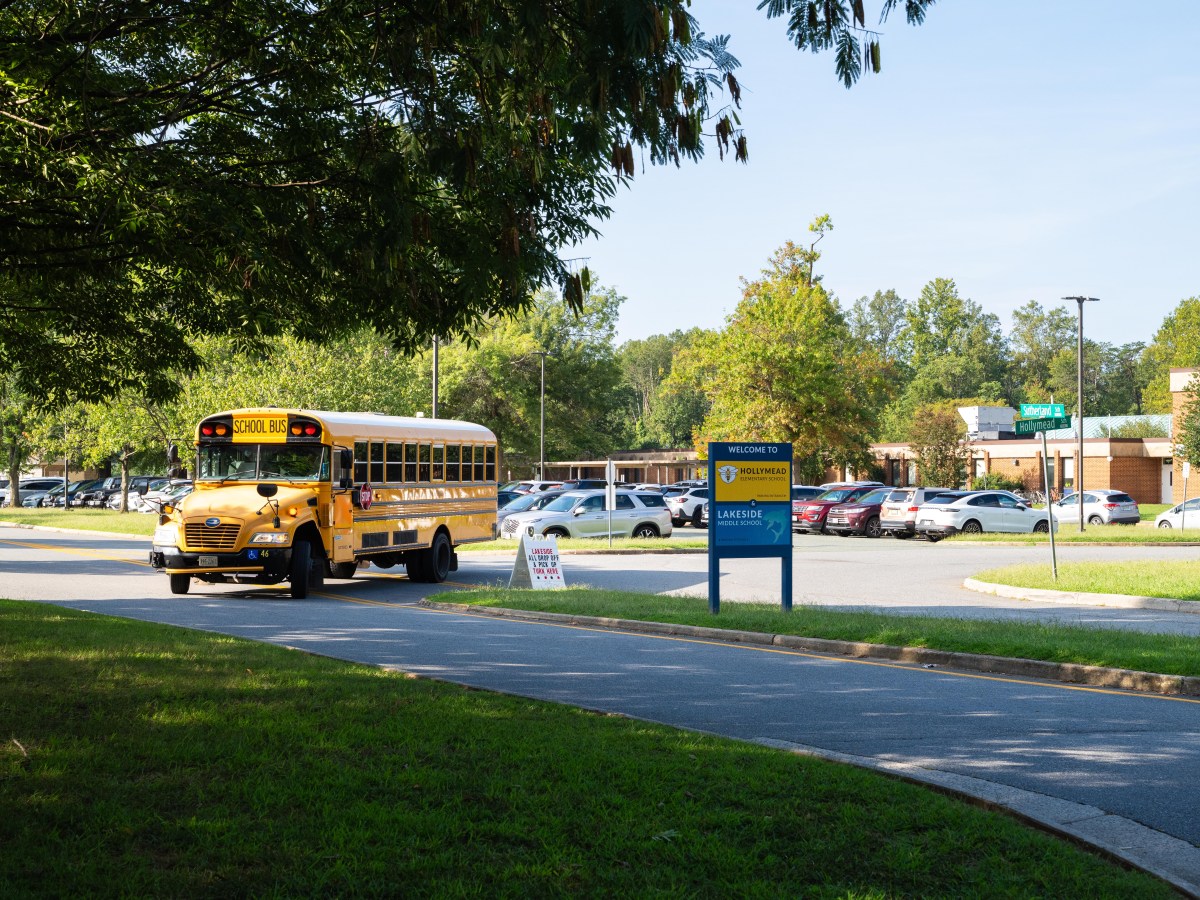
Following sudden closure of Albemarle County Public Schools, here are some resources to help families
Local and national organizations can provide assistance with childcare, meals and mental health.


¿Te has preguntado alguna vez cómo una idea se convierte en un artículo de noticias? Las respuestas, en esta guía
Cubrimos temas importantes para la comunidad, pero sólo podemos hacerlo con tu ayuda.

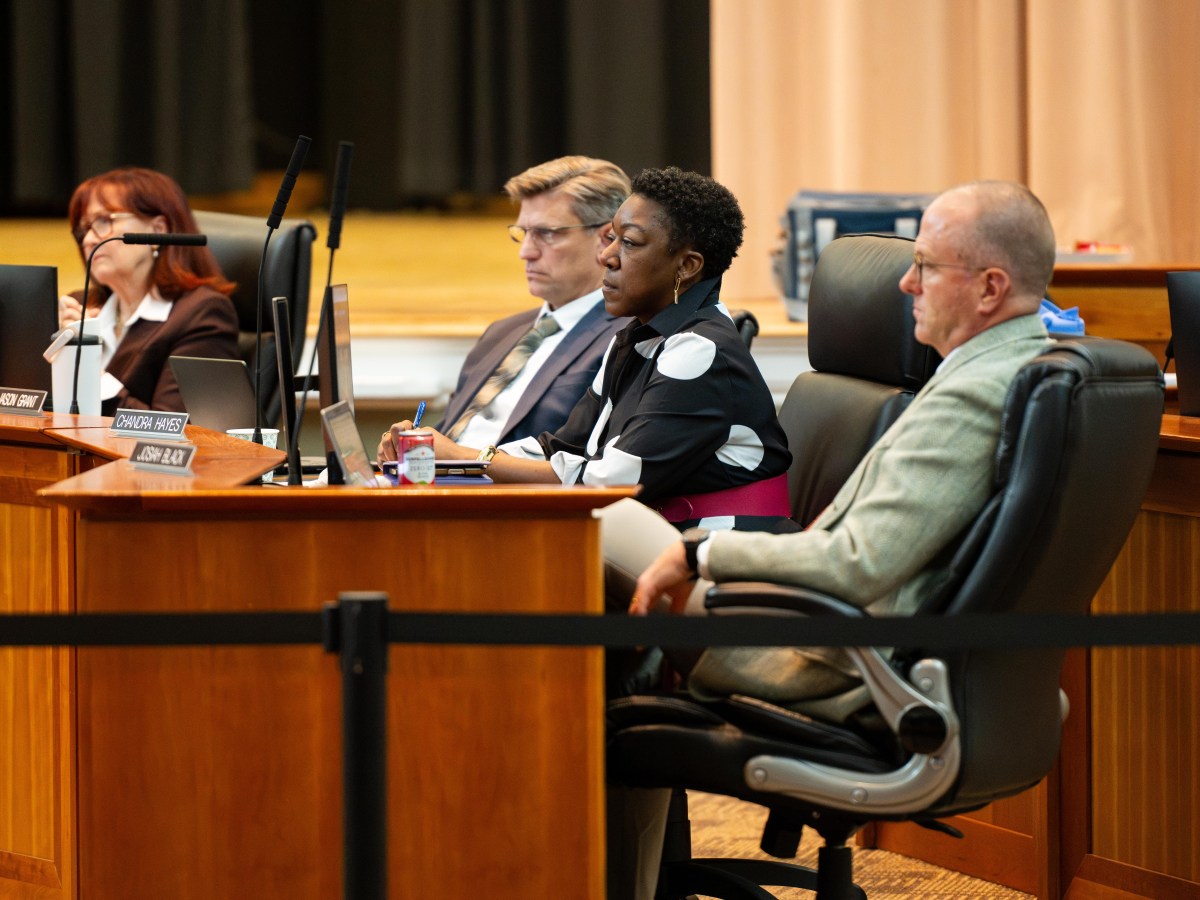
Albemarle County abruptly closes schools after finding failures in employee background checks
“Families should not have to accept any uncertainty about the adults working with their children, and I will not risk the safety of our students,” Acting Superintendent Chandra Hayes said in a statement.

Health officials identify measles exposure sites in Charlottesville and Farmville
The news comes as the U.S. lost its measles elimination status for the first time in 26 years.


UVA students say they were promised a university committed to inclusion. Now, they’re watching the university dismantle those programs.
The university voluntarily entered an agreement with the Department of Justice and pulled funding from diversity and inclusion programs that students say they depended on.