
There’s a quiet battle happening right now in southern Virginia that Charlottesville is, oddly, right in the middle of.
Here’s the story in a nutshell: A healthcare system in Roanoke wants to launch a kidney transplant program. UVA Medical Center does not want that to happen. And folks with kidney issues in that part of the state are struggling to understand why.
Beyond that, the details get complicated — fast. There’s a debate about whether a center like this would be safe for patients. And, even if it were safe, the two healthcare systems disagree about the best way to serve folks in that part of the state.
Fortunately, journalists at the Virginia nonprofit news organization Cardinal News have been following this struggle for more than a year, and they’ve published a series of articles that make this conflict a little easier to understand.
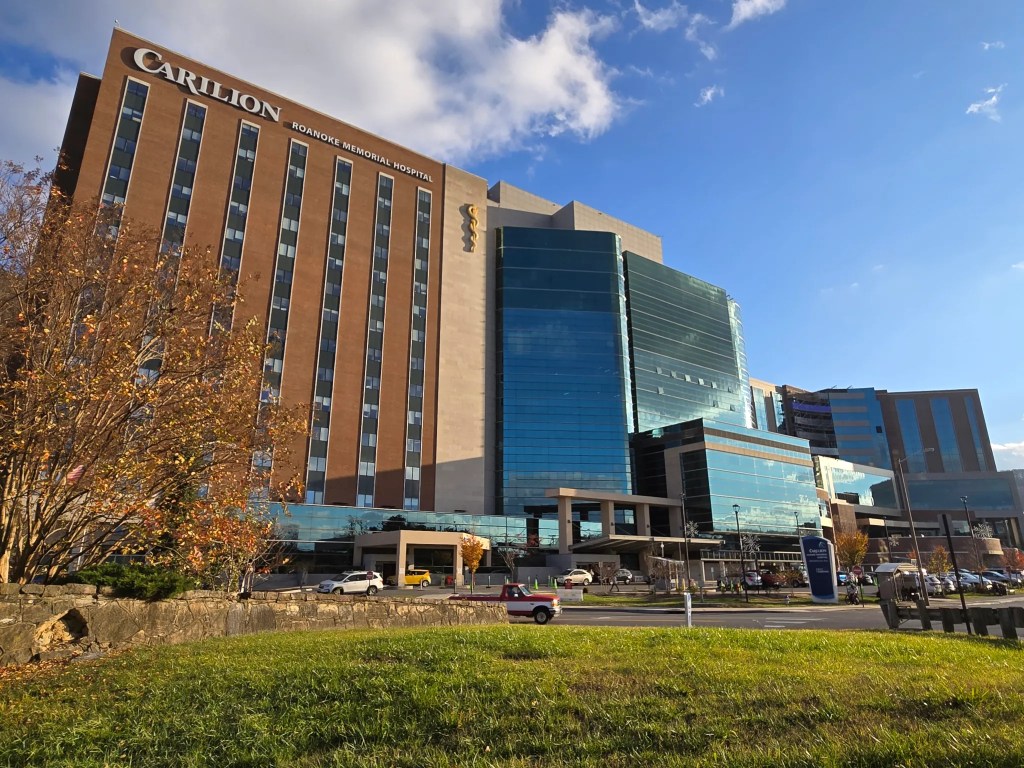
From Cardinal News: 7 things to know about the UVa-Carilion fight over kidney transplants
I caught up with Emily Schabacker, one of the reporters covering the issue, last week to learn what’s been happening. She started covering this a year ago when Carilion Clinic first announced it wanted to open a center.
“The original plan was to have the kidney transplant program up and running and ready to go here in Roanoke around October [2024],” Emily said. “Carilion wasn’t expecting to hit any roadblocks.”
But it did.
The University of Virginia Medical Center sent the state a long letter opposing Carilion’s plan. Very basically, UVA argued that its kidney transplant program was already adequately covering southwest Virginia. Carilion would simply divert patients away from UVA, costing its program resources that would threaten its viability and possibly undermine its ability to best serve patients. UVA also brought up concerns about Carilion’s ability to operate such a program safely. The state health department shared those concerns, citing an incident in 2023 when health inspectors found that Carilion had not properly cleaned surgical instruments.
Carilion doesn’t agree. The clinic responded that its medical facilities have adequately addressed the safety issues. And as far as poaching patients from UVA, Carilion says the number of patients it could potentially take is small, and meanwhile it could serve a large number of people who can’t get to UVA.
“There are people in far southwest Virginia who, when presented with this situation where they’re going to need a transplant, and they’ve been referred by their primary care provider to start care with UVA, just decline,” Emily said. “They just say, no, I know that’s not going to be possible for me to get to Charlottesville.”
There are also people who try to enroll in UVA’s program, but struggle because of transportation issues. In an article Emily wrote this month, several kidney transplant patients describe the financial, physical and emotional toll that repeated travel has on them and their families.
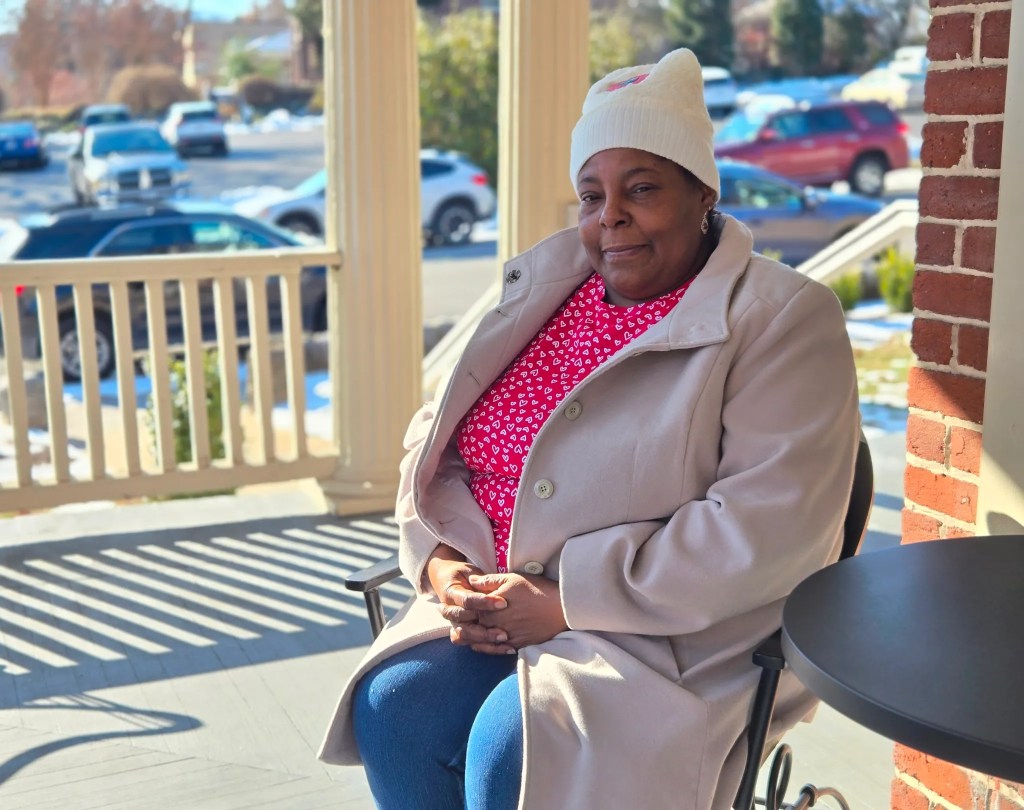
From Cardinal News: Transportation issues complicate patients’ chances for transplants
It is still an open question whether the state will approve the program. The state’s Certificate of Public Need division has already recommended denying it, but ultimately Virginia State Health Commissioner Dr. Karen Shelton will decide sometime this spring.
Emily attended a hearing in Richmond this month, in which Carilion and kidney transplant patients testified before the state health commissioner in hopes of convincing her to allow Carilion to launch its program. (You can read more about that emotional hearing here.)
“People are really disheartened,” Emily told me. “There’s just so many people in southwest Virginia who would be affected by having a kidney transplant program closer to us, I think there’s just a general sense of shock that UVA would oppose Carilion’s program so strongly.”
Emily said she will continue following this issue from Roanoke, and we’ll be sure to share her reporting when a decision is made.
Have a great weekend, everyone,
Jessie Higgins, Democracy Editor
Editors’ Note: This newsletter was updated on Feb. 3, 2025, to correct a reference to a transplant program serving southwest Virginia.

Charlottesville Tomorrow is hiring!
As journalists, community leaders, volunteers and passionate readers who believe that local news ecosystems should be strong, we are always looking to connect with people who want to do it better.
Our Sponsor

Do you want to support local news?
+
This newsletter and all our reporting is possible because our readers support the work. Join us as a supporter or renew your monthly or yearly support!
+
Tell your friends about our newsletter! We have three options to choose from.
+
Are you a business owner or part of a nonprofit organization? Want to reach our readers while supporting local news? Here’s how.