

Three local affordable housing projects were left to find a new way forward after Congress slashed funding for thousands of community projects across the country.
Southwood and the redevelopment of 501 Cherry Ave. were among the projects affected, and while the projects will continue, the lack of federal support makes progress more challenging, Erin O’Hare reports.
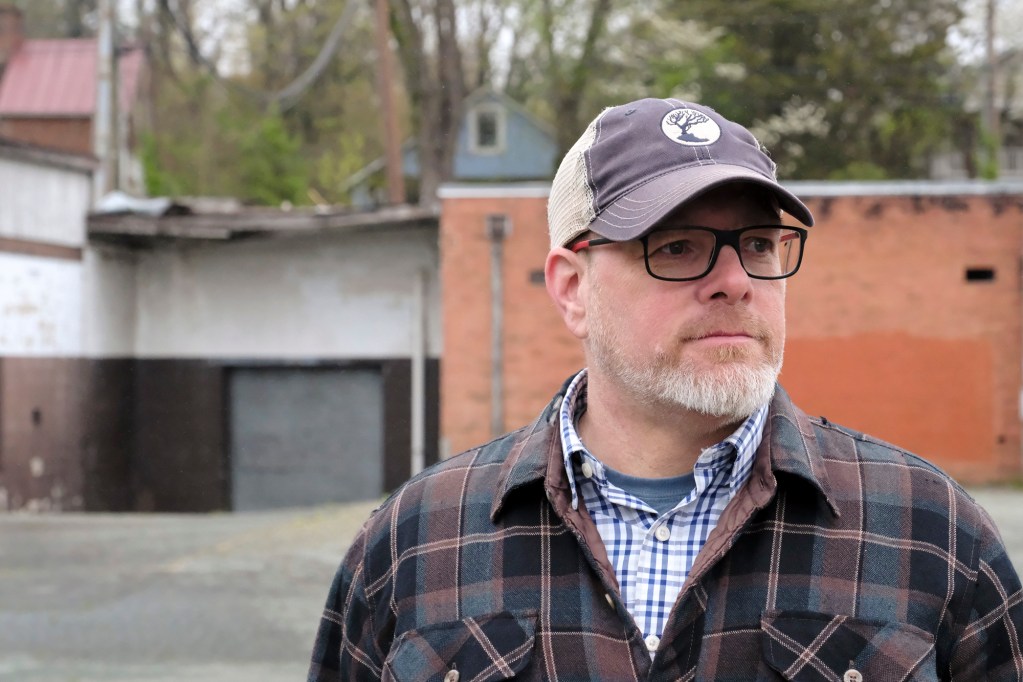
Congress cut funding for thousands of community projects — here’s how it’s affecting affordable housing in Charlottesville and Albemarle County
Congress passed a funding bill in March in order to avert a government shutdown, NBC News reported. In order to reduce overall spending, the bill left out Congressionally-directed funding or “earmarks,” according to Roll Call. Earmarks are federal dollars meant to support specific community projects spearheaded either by nonprofit organizations or state or local government agencies. For-profit entities are not eligible to receive the money.
Dozens of projects throughout the Charlottesville area — including ones focused on clean drinking water, equipment for first responders and counseling services for children who have experienced trauma — will not receive expected federal funding this year.
Sunshine Mathon, executive director of the local nonprofit housing developer Piedmont Housing Alliance (PHA), told Erin that putting money together for any affordable housing is a challenge, and the 501 Cherry Ave. project is particularly complex.
That’s partly because the project is unique. The Fifeville Neighborhood Association, Woodard Properties and PHA worked together to propose the new development that will include low-cost apartments, space for a local music nonprofit and a grocery store.
The federal funds “would have made it a whole lot easier,” Mathon told Erin. But they’ve planned the project in a way where it was not a make-or-break scenario. “We’ve had it as a line item in the budget as a ‘maybe,’ but not as a necessity,” he said.
Dan Rosensweig, president and CEO of Habitat for Humanity of Greater Charlottesville, had similar things to say about Southwood, a mixed-income redevelopment of a former mobile home park in Albemarle County. PHA is also involved in the project.
Habitat was expecting to receive just under $1.1 million to help with the construction of 12 rental units. The entire Southwood project, which is being completed in phases and is expected to include over 1,000 homes, is projected to cost $500 million.
“The good news is that most of the capital stack for this part of the project is funded,” Rosensweig said. He added that funding for Habitat comes from a variety of sources, including private donors and “partner family” mortgage payments.
The situation is more challenging for Piedmont Community Land Trust (PCLT), Director Luis Oyola told Erin.
Community land trusts for affordable housing are designed to support home ownership for individuals or families with lower incomes. A nonprofit trust buys homes, keeps ownership of the land itself, but sells the structure. Families then purchase the home at a discounted rate and lease the land from the trust, usually for a minimal fee. By maintaining ownership of the land, the trust gets to make decisions about how it is used. This approach helps keep the cost of the home affordable and ensures the home can be passed on to another low-income family when it is sold.
Right now, PCLT has 40 properties, with another 20 in development. With more money, PLCT could develop more properties, which is why it applied for $1 million in earmark funds. But the request didn’t make it in the budget.
“We are trying to look somewhere else, but every time we get denied funding like that, it slows down our ability to grow, which means it slows down the region’s ability to provide more low-income home ownership,” Oyola said.
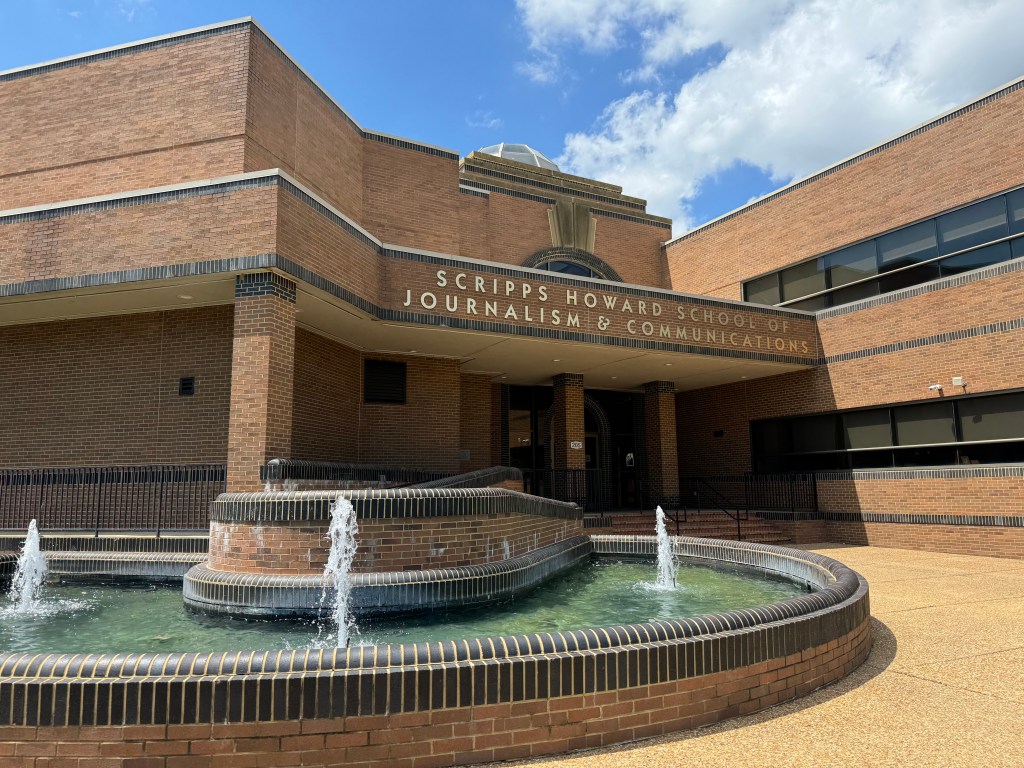
Hampton University’s journalism school to host ‘an urgent conversation at a critical time’
Also, our CEO and Editor-in-Chief Angilee Shah will discuss media and democracy with other industry leaders at The Hampton University Scripps Howard School of Journalism and Communications’ “State of the Media,” a public forum, on Wednesday, April 23 at 4:30 p.m. in Hampton, Virginia.
The panel, which will also include former President of MSNBC Rashida Jones, is free and open to the public. Find out more and register here to attend here.
Stay safe and take care of each other,
Akash Sinha, Managing Editor
Take Action
The Hampton University Scripps Howard School of Journalism and Communications will host the “State of the Media,” a public forum, on Wednesday, April 23 at 4:30 p.m. in Hampton, Virginia. The panel is open to the public. Find out more and register here to attend the free event.

Thank you! We met — and surpassed — our 100 for 100 goal
Thank you to our now 105 sustaining supporters who are currently monthly donors as of the 100th day of our 20th anniversary year.
It’s not too late for you to join in with your monthly support and sustain local news for everyone in our community.

Charlottesville Tomorrow is hiring!
As journalists, community leaders, volunteers and passionate readers who believe that local news ecosystems should be strong, we are always looking to connect with people who want to do it better.