

Virginia House District 55 covers parts of Albemarle, Louisa, Nelson and Fluvanna counties. This year, incumbent Amy Laufer (D) is running for the seat unopposed. Laufer was first elected to the House in 2023.
House Delegates serve two-year terms, author state laws, approve the state budget, and address community issues at the state level — including infrastructure, education funding, and local regulations.
Though Laufer is the only candidate in this race certified by the Virginia Department of Elections, voters can write-in other candidates.
Charlottesville Tomorrow sent Laufer a few questions informed by a voter survey. Her answers are below.
Responses have been fact-checked by reporters and lightly edited for readability.
With electricity demand rising rapidly — especially from data centers — what legislation or budget priorities will you support to ensure Virginia can meet its energy needs, protect communities and stay on track with the goals of the Virginia Clean Economy Act?
Amy Laufer: I believe the state government must require stricter energy and water efficiency standards for data centers. Given that data centers are the largest and fastest-growing energy consumers in Virginia, it is unacceptable for regular ratepayers to shoulder the cost of infrastructure upgrades driven by their demand. We must stay committed to the Virginia Clean Economy Act and its goal of carbon-free emissions by 2050. It is vital that we lean into more forms of carbon-free energy, whether it be the further development of solar and offshore wind or growing the potential of geothermal energy throughout the Commonwealth. The large upfront costs for these industries are a worthwhile and necessary long-term investment in the face of climate change. Considering that Virginia is one of the largest energy importers in the PJM grid,* I have proposed legislation requiring greater transparency from PJM to better understand their decisions on production, transmission, and distribution.
Editor’s note: The PJM grid, also called the PJM Interconnection, is a wholesale electricity market and energy grid that covers all or part of 13 states, including Virginia. Read more about it on the Federal Energy Regulatory Commission website.
When it comes to siting data centers and energy projects, do you support setting statewide minimum standards, or should decisions remain with local governments? What principles will guide your approach, and how will you weigh the tradeoffs involved?
Laufer: While I do believe that the siting of these projects ultimately falls within the jurisdiction of local government, these decisions have both national and statewide implications. Through the State Corporation Commission (or potentially another state agency), the state could provide technical expertise, data, and other forms of support so that local governments are not left to navigate these complex projects alone. At the same time, it is the state’s responsibility to regulate energy and water usage, particularly given the intensive demands placed on our grid and natural resources by data centers. We need enforceable statewide standards to ensure that data centers operate efficiently and sustainably, no matter where they are located. My approach will be guided by fairness, transparency, and long-term sustainability. While it may take time to develop the proper regulations, it is a necessary trade-off to ensure the protection of our communities, public resources and clean energy standards.
The federal government is changing Medicaid rules — restarting eligibility checks, adding work and reporting requirements and increasing oversight. These changes may affect how many Virginians stay enrolled, depending on how the state handles things like paperwork, renewals and support for local offices. What role do you think the General Assembly should play in responding to these changes?
Laufer: The General Assembly has a critical role to play in response to the significant federal changes to Medicaid. There have been unprecedented shifts to long-standing programs, where eligibility checks are now every six months* and work requirements have drastically expanded. As much as possible, Virginia must be proactive, not reactive, in adapting to these changes. The Commonwealth must invest in more resources to local offices, improve communication with enrollees, streamline administrative processes, and simplify renewals as much as possible. These federal changes pose a significant administrative burden for both the state and the individuals relying on Medicaid. It is the responsibility of the General Assembly to provide oversight, ensure adequate funding and staffing, and hold agencies accountable to the standards of an equitable and efficient process. Our priority must be protecting access to care while ensuring that we meet compliance requirements in a way that protects our most vulnerable communities.
*Editor’s note: This particular change applies only to adults covered under Medicaid expansion. Currently, their eligibility checks are conducted every 12 months, but will be every six months beginning in January 2027, according to a report from The Urban Institute. Most other Medicaid recipients will continue to renew annually.
State delegates help shape the budget and decide how Virginia responds when federal funding changes. If funding declines in areas like health care, education or infrastructure, how would you approach decisions about state support? What principles would guide your budgeting priorities?
Laufer: With federal funding declining across critical sectors such as healthcare, education, and infrastructure, the state must step up to fill the gap as much as possible. The state has a responsibility to protect Virginia’s most vulnerable populations, including our children, seniors, low-income communities, and those with disabilities, as they are often the first to feel the impact of these budget shortfalls. As a delegate, my budgeting priorities will be guided by the principles of fairness, long-term sustainability, and economic resilience while trying to protect and support essential services, our small businesses, and the farmers that keep our communities going. We must make strategic decisions that reflect our core values: safeguarding access to health care and education, maintaining critical infrastructure, and ensuring no Virginian is left behind. I will advocate for a balanced approach that avoids cuts to essential services and ensures that our most vulnerable residents are not disproportionately harmed.
With public school funding facing uncertainty at both the state and federal levels, what do you believe is the best way for Virginia to ensure a stable and adequate K–12 education system?
Laufer: We know the federal government is attempting to hold back funding for special education and English language learners, two student populations that require targeted support. These potential cuts would have serious consequences for school divisions that are already faced with limited resources. The state must be prepared to step in and fill these gaps to ensure every child receives the education that they deserve, regardless of ability or background. I support allowing localities to hold a referendum for a 1% sales tax increase dedicated specifically to the construction of new schools. This would empower communities to raise critical funds for safe, modern school buildings without being fully reliant on state or federal dollars. We must prioritize funding models that reflect the real needs of students rather than the current model, which is based solely on daily attendance. Other states have adopted similar funding models that allow for more support staff.
The General Assembly plays a key role in shaping Virginia’s laws on abortion. Delegates decide which bills move forward and can also propose constitutional amendments. What is your general approach to abortion policy in Virginia, and what kinds of measures would you support or oppose?
Laufer: I am wholeheartedly committed to enshrining reproductive rights in our state constitution. Healthcare decisions, such as abortion, contraception, and other areas concerning women’s health, are deeply personal affairs where every individual should have the right to make decisions for themselves, in accordance with their values. In the past legislative session, I voted in support of the constitutional amendment SJ247/HJR1 aimed at establishing a fundamental right to reproductive freedom in the Commonwealth. In order to amend the Constitution of Virginia, the respective amendment must be passed in the legislature twice in a row, then put as a referendum to the voters. I will absolutely vote in support of this amendment once again. The protection of reproductive freedom throughout the Commonwealth is a core tenet of my platform and I remain dedicated to the defense of these rights.
Many central Virginians who responded to our voter survey expressed concern with accessing affordable housing. What do you see as the General Assembly’s role in addressing housing challenges in our region?
Laufer: Access to affordable housing is a growing concern across central Virginia. Housing prices have increased nearly 40%* in the last five years, pushing many families out of the markets where they live and work. The General Assembly has attempted to address this crisis by strengthening and expanding programs that support affordability and access. I support continued investment in the Virginia Housing Trust Fund (VHTF), which provides critical grants and loans for affordable housing projects. Moreover, I support the Virginia Housing Opportunity Tax Credit (HOTC), which encourages private investment in affordable housing development and preservation. We must ensure state-level support aligns with federal programs such as the Housing Choice Voucher Program, which helps low-income families access housing in the private market. Stable, affordable housing is foundational to economic security, and I will continue to prioritize and support policy that meets this urgent need.
*Editor’s note: The median price of a single-family home in Virginia rose almost 40% between 2019 and 2024, according to a Feb. 2025 report from the Virginia Center for Investigative Journalism.
Some rural areas have faced sudden bridge closures and long detours, with slow timelines for repairs. Delegates help write the transportation budget and set the rules that guide how the Virginia Department of Transportation chooses and funds projects. Would you support any legislative changes to ensure rural communities get the maintenance and emergency repairs they need? If so, what changes?
Laufer: Concerns with roads and infrastructure are some of the issues I hear about most frequently from constituents. Localities play a critical role in identifying and prioritizing infrastructure needs through their budget requests to VDOT, but the state can respond more effectively. There is also a significant amount of private roads and infrastructure that need to be considered as we move forward. As a delegate, I have continued to advocate for the roads and infrastructure projects that residents bring to my attention. Prioritizing infrastructure outside of the I-81 corridor is key. Our state needs balanced investment that reflects the needs of all Virginians, not just this specific high-traffic area, ensuring that rural communities are not left behind when it comes to road safety, maintenance and emergency repairs.
Immigrations and Customs Enforcement arrests have surged across Virginia in 2025, with more than 2,500 arrests by early summer and over 4,000 by late July, according to analyses of ICE data. What should Virginia’s role be in immigration enforcement? Should the state encourage local cooperation with ICE, limit it to what federal law requires, or formally restrict it? And how would you use your role as a delegate to influence this issue?
Laufer: I believe that local cooperation with immigration enforcement should be limited. Immigration is a federal responsibility. When state and local police are pulled into federal immigration enforcement duties, trust with the community breaks down, people become less likely to report crimes, and officers are diverted from their core duty of keeping their communities safe.
Virginia is seeing more frequent flooding, heavier rainstorms and longer dry spells. The General Assembly helps fund stormwater and emergency programs, set building rules and support local planning. What’s your view on how the state should respond to these kinds of weather challenges?
Laufer: The General Assembly takes the issue of erratic weather patterns seriously, especially given our coastal geography. The establishment of the Flood Resiliency Map, the Flood Resilience Advisory Committee, and the position of Chief Resilience Officer all support the implementation of statewide flood protection strategies. Moreover, investing the monies from the Regional Greenhouse Gas Initiative (RGGI) helps to build climate resilient infrastructure across localities.* As a member of the State Water Commission, I have supported legislation that protects our living coastlines and wetlands, as it is vital that our mitigation efforts include natural solutions whenever possible. In the 2025 legislative session, I proudly served as chief patron of the Dam Safety Act, establishing important guidelines and funding for safer infrastructure. In the face of climate change and the growing incidence of extreme weather events, I will continue to advocate for resilient, well-funded systems that protect both people and property across Virginia.
*Editor’s note: At the time of publication, it is unclear whether Virginia will continue to participate in the Regional Greenhouse Gas Initiative (RGGI). A March 2025 report from Inside Climate News explains what RGGI is and why Virginia’s participation in it is caught up in legal proceedings.
Are there any other pressing issues facing your district that you would like voters to know about?
Laufer: In the midst of the ever-growing political division and polarization that our country finds itself in, I want the people of the 55th District to know that I am here to listen and lead. Many voters have shared concerns that go beyond partisanship: public safety, environmental sustainability, data privacy, and reliable infrastructure. This is why I’m working on legislation related to recycling reform, gun violence prevention, AI privacy protections, and forward-looking energy policy that aligns with both economic and environmental needs. My approach is grounded in collaboration and common sense. I believe we can find smart, balanced policies that protect our values and move Virginia forward. I am proud to represent the 55th District and remain committed to working hard on your behalf.
More about the candidate and issues
- Laufer’s campaign contributions, from the Virginia Public Access Project
- A radio interview with Laufer about her 2025 legislative efforts (Cville Right Now, Jan. 3, 2025)
- Laufer’s 2023 Voter Guide Q&A, from Charlottesville Tomorrow
- A report about the Virginia Clean Economy Act and energy demands (The Virginia Mercury, July 2, 2025)
- A report on the costs and benefits of data centers (The Virginia Mercury, May 28, 2024)
- A report on why only a handful of Virginia localities can impose a sales tax to fund public school capital projects (The Virginia Mercury, Feb. 23, 2023)
- A report on whether Virginia is ready to take over more disaster responsibilities from FEMA (WHRO, July 22, 2025)
- A report on how abortion access and other reproductive rights could be enshrined in Virginia’s state constitution (The Virginia Mercury, Feb. 13, 2025)
- A report about how cuts to Medicaid and Medicare will affect Virginians (Virginia Public Media, July 3, 2025)
- A report about how cuts to Medicaid and Medicare could affect Virginians’ access to mental health and addiction recovery services, including in District 55 (Charlottesville Tomorrow, May 20, 2025)

Here are key dates and deadlines in the 2025 elections
| Friday, May 2, 2025 | Early voting for primaries begins weekdays at local registrar’s offices. |
| Tuesday, May 27, 2025 | Deadline to register to vote or update an existing registration for the primary election. You can still vote in the primary if you miss this deadline by registering at the polling place and casting a provisional ballot. You do not have to be a member of a political party to vote in that party’s primary election. However, you can only vote in one party’s primary election each year. |
| Friday, June 6, 2025, 5:00 p.m. | Deadline to apply for your ballot to be mailed to you. Requests must be received by your local registrar’s offices by 5 p.m. |
| Friday, June 6, 2025, 5:00 p.m. | Deadline to apply online for an absentee ballot using the Citizen Portal. |
| Saturday, June 7, 2025 | Local voter registration offices open on Saturdays for early voting for primaries. |
| Saturday, June 14, 2025, 5:00 p.m. | Early voting for primaries ends at local registrar’s offices. |
| Tuesday, June 17, 2025 | Primary Election Day! |
| Friday, Sept. 19 to Saturday, Nov. 1, 2025 5:00 p.m. | Check with your local registrar’s office for early in-person voting. |
| Friday, Oct. 24, 2025, 5:00 p.m. | Deadline to apply with your local registrar’s office for a ballot to be mailed to you. |
| Tuesday, Nov. 4, 2025 | Election Day! |
We will update this list periodically as deadlines approach or we receive new information.
Register to vote, check your registration, find your polling places and apply to vote absentee at the Virginia Department of Elections here. Remember, even if you miss registration deadlines, you can register through Election Day and vote using a provisional ballot.
Need to know if you’re eligible to vote? Here are resources from the Virginia Department of Elections.

Subscribe for Voter Guide updates
Take a survey to help us continue to build this voter guide!
The latest from the 2025 Voter Guide
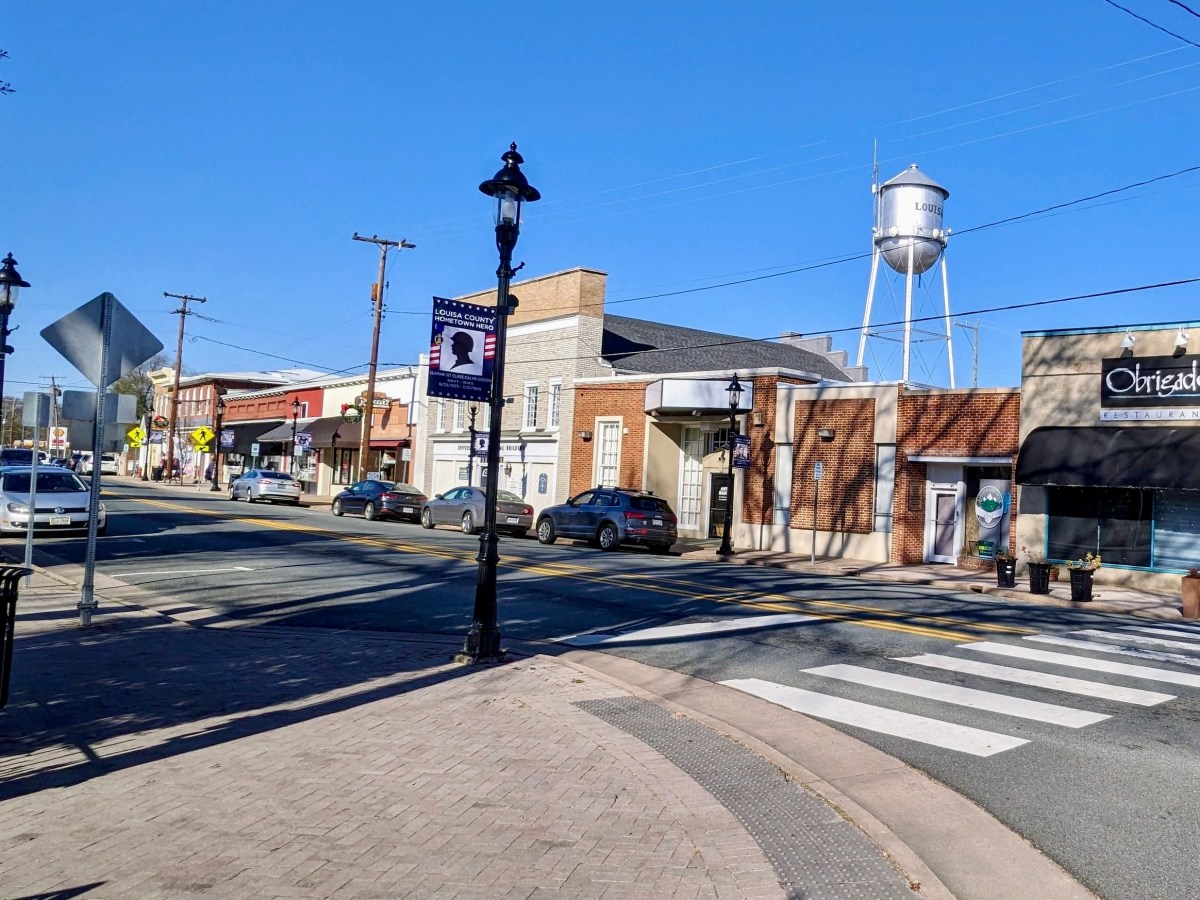
The Town of Louisa faced five resignations in less than a year. Now it’s trying to rebuild
During staffing shortages and months without meeting minutes, residents felt left in the dark. The town is trying to improve its communication.
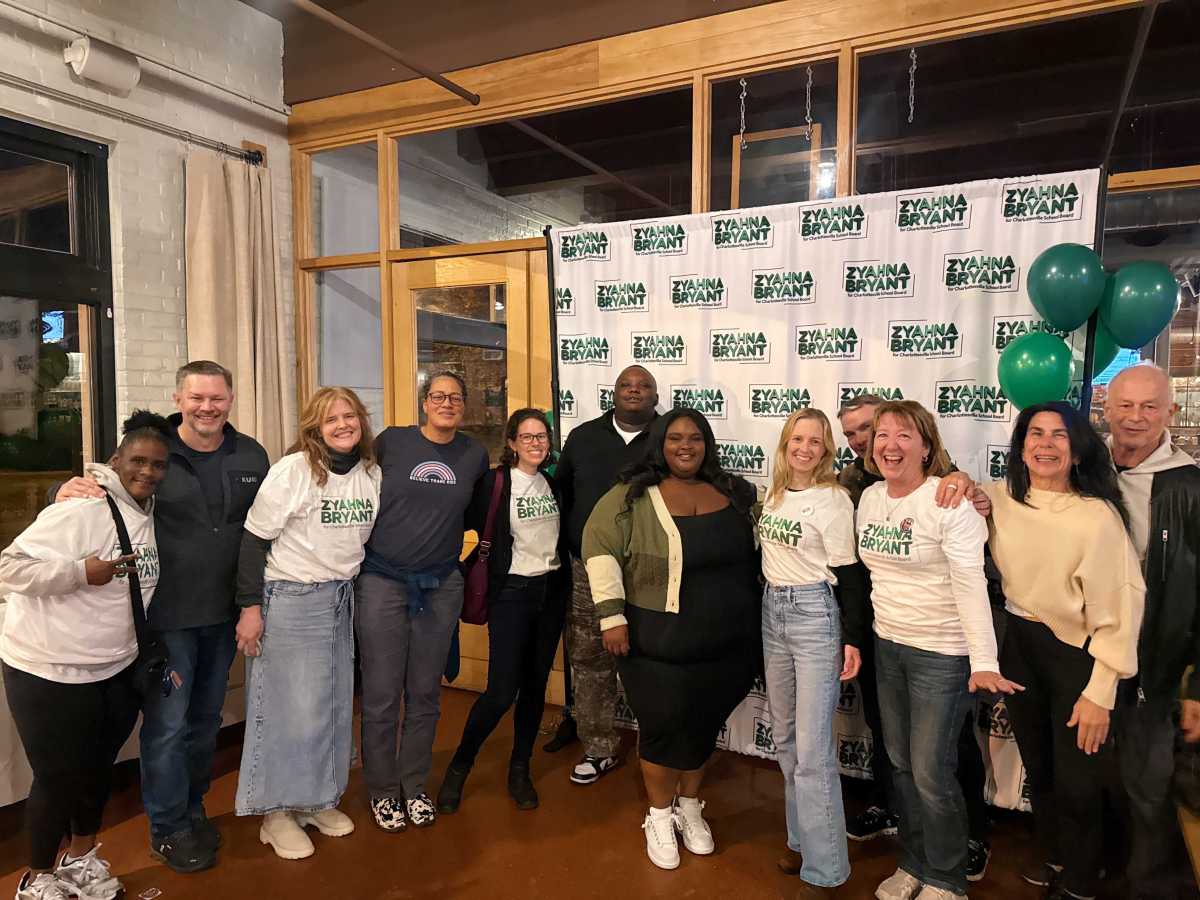
Longtime activist, first-time Charlottesville City School Board member Zyahna Bryant wants to elevate youth voices
“I believe that the community is ready for something new, and so that just makes me so excited to be on the cusp of that and to see a new wave of leadership,” Bryant told Charlottesville Tomorrow.

Matthew Kersey is being challenged by Ashley Michael for Louisa town mayor
Kersey was appointed mayor in July after both the elected mayor and his appointed replacement stepped down in quick succession.