

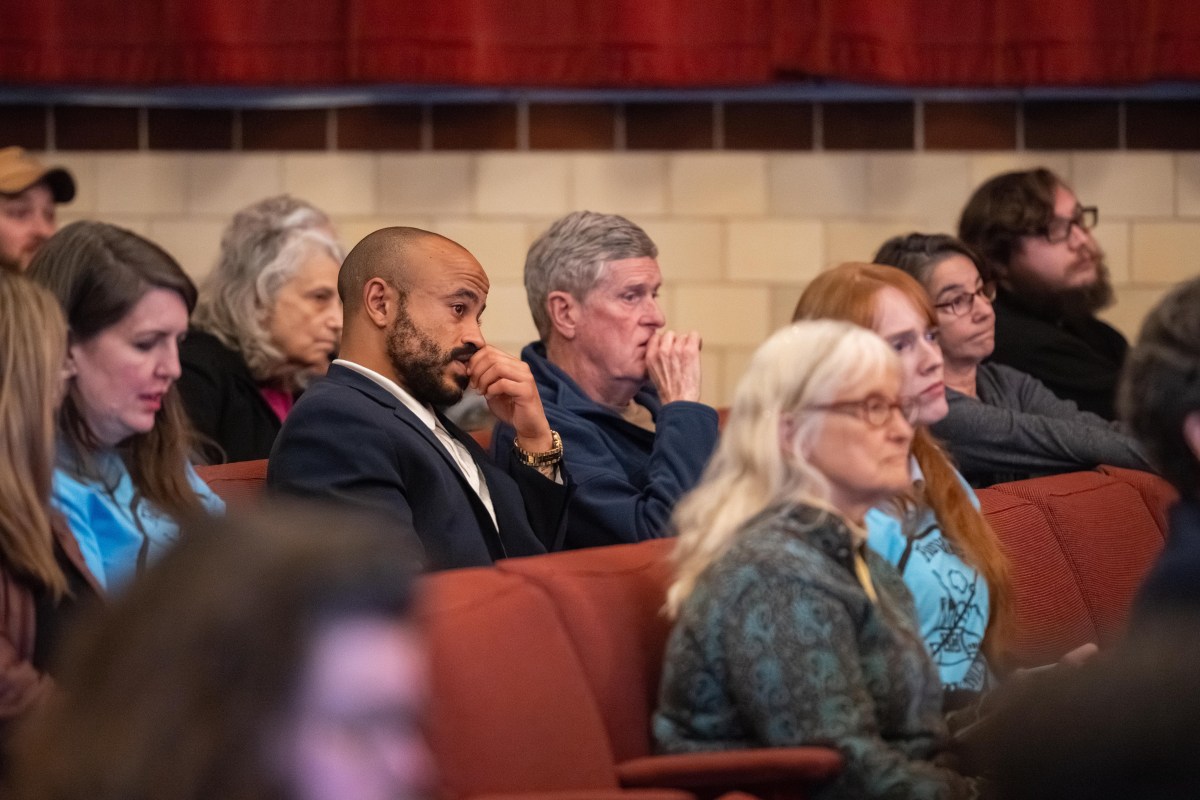
The Fluvanna County Planning Commission decided on Tuesday in a 3–1 vote that Tenaska’s second gas plant proposal does not fit the county’s comprehensive plan for its future.
The vote came after a meeting lasting more than three hours, filled with public comments opposing the proposal, a presentation from Tenaska representatives on what the plant would mean for the community, a surprise appearance by a former director of the Virginia Department of Environmental Quality, and the commission’s deliberations on whether the plant fit the comprehensive plan.
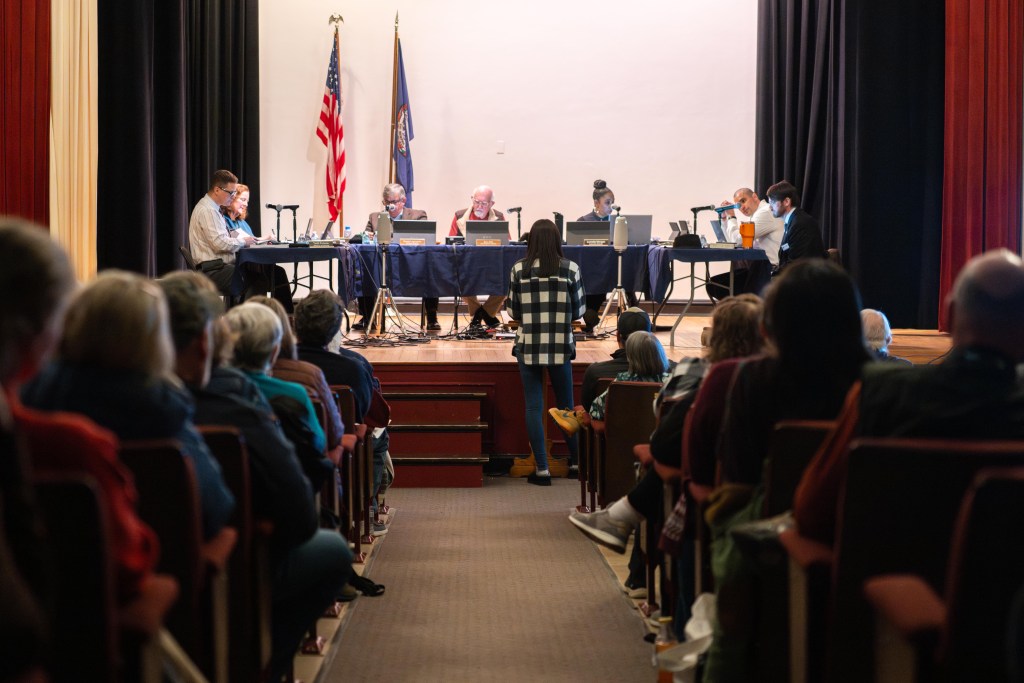
According to the members’ discussion, it was not a clear-cut case. The plan to build and operate a new plant needed to be in “substantial accord” with the county’s comprehensive plan, originally released in 2014 to provide guidance for its future development. The Planning Commissioners struggled at first to make this determination, saying the comprehensive plan’s wording is too vague and lacks clarity around the meaning of being in “substantial accord.”
“Partial accord and parts and bits and pieces here cumulatively do not define substantial accord,” said Kathleen Kilpatrick, a member of the commission.
The plan, she pointed out, had contradictions, like stating support for business development as a goal while having strict mandates regarding the preservation of rural character and air quality.
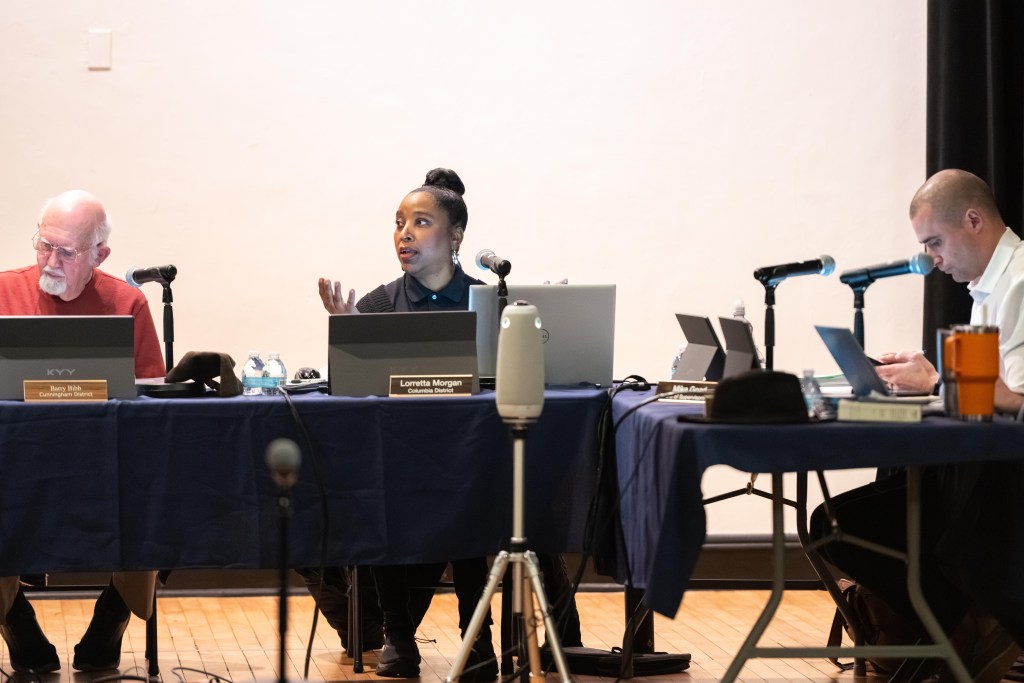
“This county needs to halt all development until the comp plan is completed and the ordinances are completed and they’re working together and stop trying to put a band-aid on this big cut that we have right now,” said Planning Commissioner Lorretta Johnson-Morgan, before voting against the Tenaska’s proposed plan.
The vote does not mean the county will deny the company’s application for the special use permit (SUP) that Tenaska needs to proceed with its plan — Tenaska plans to appeal, said Timberly Ross, vice president of community relationships at Tenaska.
“The project would directly support the plan’s stated goals of economic development and financial sustainability, rural area preservation and environmental resource protection,” Ross told Charlottesville Tomorrow.
The Planning Commission is scheduled to make its recommendations on the permits during a special meeting Feb. 24, said Mike Goad, a member of the Fluvanna Board of Supervisors, in an email. If there are no further delays, the Board is expected to make its decision in March.
Community engagement and pushback during the meeting stood out. Concerns over the environmental impacts of an additional plant were amplified after the Southern Environmental Law Center commissioned researchers from the Harvard T.H. Chan School of Public Health to study the issue.
The researchers projected that increased levels of PM2.5, the most common pollutant considered in air quality analysis, could lead to two to three premature deaths and six new cases of asthma per year, among other health effects. The projected life span of the plant is 30 years.
“The executives making this decision do not live here,” said one mother during the public comment portion of the meeting. “They will not raise children here. They will not breathe this air, drink this water, or live with the health consequences of what they are proposing. Tanaska has no long-term stake in this place. They just have dollar signs in their eyes.”
Tenaska disputed the study’s findings and emphasized that its proposed plant, as well as the existing one, would operate within permitted pollution standards.
“Our facility complies with standards for air and water that are intentionally designed to protect human health and the environment. Preliminary air quality modeling for maximum cumulative impacts from both the existing plant and Expedition combined predicts emissions to be 7 times less than the federal and state standards. The Rivanna River, where the existing plant discharges, is among the healthiest in the state,” wrote Ross in an email.
“Clearly, the presence of our existing facility has not deterred residents from moving to Fluvanna County or from staying here.”
Tenaska has 10 days to appeal the decision to the Board of Supervisors, said Goad. If it does so, “the Board may reach a different conclusion than the Planning Commission regarding substantial accord; however, such a decision would not constitute approval of the SUP.
“I applaud the community for its strong turnout and thoughtful engagement at last night’s Planning Commission meeting,” he wrote in an email. “If I were the applicant, I would certainly have concerns about what last night’s decision may indicate for their remaining requests, though I will refrain from speculating about how Commissioners or Board members may vote on future items.”
Editor’s note: This article was updated on Jan. 15, 2026, to correct a quote from Mike Goad, a member of the Fluvanna Board of Supervisors.