

In Virginia, Boards of Supervisors govern counties, and members are elected to four-year terms. Among other duties, they oversee the county budget, set tax rates and approve zoning regulations. Albemarle County’s Board of Supervisors has six members, one for each district.
Democrat Ned L. Gallaway has served on the Albemarle County School Board and was first elected to the Board of Supervisors 2017. He is running unopposed to represent the Rio District again this year, as he has in 2017 and 2021.
Though Gallaway is the only candidate certified by the Virginia Department of Elections, voters can write-in other candidates.
Charlottesville Tomorrow designed a questionnaire for Gallaway based on more than 160 responses we received to a voter survey. He provided answers below.
Many Albemarle County residents who responded to our voter survey expressed concerns about the lack of affordable housing in the area. Meanwhile, others are concerned about the effects of residential development on the environment and rural character. How do you see this issue?
Ned L. Gallaway: Housing affordability is Albemarle’s most pressing challenge, and local government has a responsibility to ensure that people who have built their lives here — whether young families starting out or longtime residents hoping to age in place — can continue to call Albemarle home. When we fail to provide affordable options, we push families into surrounding counties, creating longer commutes, more traffic and higher carbon emissions. The best way to balance affordability with environmental stewardship is to direct growth into our designated development areas at appropriate densities. Concentrating housing where infrastructure already exists reduces sprawl, protects our rural landscapes and preserves the character that makes Albemarle unique. By planning responsibly, we can both honor our rural heritage and provide homes that teachers, nurses, first responders and retirees can afford.
What do you think about local law enforcement working with Immigration and Customs Enforcement? And if the Albemarle Charlottesville Regional Jail is pressured to incarcerate detained immigrants for ICE, how would you respond?
Gallaway: We will continue to be consistent with the approaches that our region has determined are appropriate and have been in place over the past several federal level administrations regardless of any “pressure.” Pressure from higher levels of government does not factor into our local decisions.
What is your position on data centers in Albemarle County?
Gallaway: I do not support the development of massive “mega” data centers — those over a million square feet, like we see in Loudoun and soon in Louisa — as they are out of scale with Albemarle’s character and infrastructure. However, I believe it is reasonable to be open-minded about smaller facilities, provided they are located in areas already zoned for comparable uses. If a data center’s infrastructure demands are similar to those of hotels, multifamily buildings, or large retail operations like Costco or Walmart, then it is worth considering. Thoughtfully sited, such facilities could generate significant commercial tax revenue that helps offset reliance on real estate taxes, while avoiding the overwhelming impacts of mega-centers. The key is to ensure scale, location and community impact are carefully balanced with Albemarle’s values.
The assessed real estate values in Albemarle County are increasing. In general, do you support keeping the tax rate steady, or increasing the rate, to collect more income for needed government projects? Or would you support lowering the tax rate to keep residents’ tax bills consistent?
Gallaway: As home values rise and on the heels of a tax increase, people understandably worry about rising tax bills. At the same time, our community counts on strong public services — schools, public safety, parks, affordable housing, mental health support, and resources for seniors. The reality is that Albemarle leans too heavily on real estate taxes to fund these needs. What we’re missing is a stronger base of commercial activity, which brings in revenue without adding the same strain on services as new residential growth. That’s where I believe our focus should be. By pursuing smart, effective economic development, we can grow our tax base in a way that eases pressure on homeowners while giving us the resources to invest in the services people expect and rely on. My priority is to strike that balance — protecting residents while making sure Albemarle can thrive.
It is likely that in the future, Albemarle County might need to provide more funding for its public schools, as both state and local funding decrease. Do you support providing more funding to schools? And if so, how would you go about doing that while continuing to fund other needed priorities?
Gallaway: I strongly support funding our public schools — but I reject the idea that localities should simply accept state underfunding. Virginia must restore the dollars it has pulled away and grow its investment so funding keeps pace with enrollment growth and rising educational needs. Over my eight years on the Board, the school division has received more local funding year over year, but too often those increases have been forced to backfill state shortfalls instead of addressing the priorities set by the Albemarle County School Board. One tool the Governor [Youngkin] has twice vetoed — a bipartisan plan to let voters dedicate 1 cent of the sales tax to school construction — would generate about $25 million annually here. Pairing fair state funding with stronger economic development will ensure Albemarle can meet both education and community needs. I urge citizens to hold state leaders accountable — especially this election year and ahead of the 2026 budget cycle.
As federal social service programs also contract, what role, if any, do you see the county government playing in supporting folks who can no longer access these federal services?
Gallaway: As federal social service programs shrink, local governments will increasingly need to step in to support those who rely on them most. Albemarle has strategic funding reserves to help in the short term, and we will continue advocating for the federal government to honor its commitments. If those efforts fall short, the state and local governments will need to figure out how to continue providing essential social services within our budgets. This will require careful re-prioritization to ensure that we do not abandon our most vulnerable neighbors. Our responsibility as a Board is to make thoughtful choices that balance fiscal realities with compassion, protecting the safety net for those who need it most. Every decision must center on people — families, seniors and individuals — who count on us to help them when other support systems fail.
Albemarle County has and could face challenges from severe weather events, including heavy rainstorms and prolonged droughts that scientists predict will become more frequent in the future. What do you think the county’s Board of Supervisors should do to prepare?
Gallaway: Albemarle is already taking climate risks seriously through our regional resilience planning initiative, Resilient Together, developed in collaboration with the City of Charlottesville and UVA. This plan provides a roadmap for preparing for severe weather events, including heavy rainstorms and prolonged droughts, and is reviewed regularly to incorporate the latest science and community needs. I will continue to support this collaborative approach, ensuring that infrastructure, emergency services, and natural resources are prepared for increasingly frequent extreme weather. I also strongly support funding our public safety departments — fire, the emergency communications center, and police — because our first responders are on the front lines helping residents when disasters strike. Maintaining well-trained, well-equipped emergency teams is critical to protecting lives and property, and ensuring that Albemarle is ready when severe weather impacts our community.
Are there any other pressing issues facing Albemarle County that you think voters should know about?
Gallaway: The Albemarle Comprehensive Plan (AC44) really sets the stage for how our county will grow and develop in the years ahead. I think it’s important for voters to hear where candidates stand — not just whether they support the plan, but how they would handle it if they disagree with the current Board. Growth, land use, housing, and transportation all need to be balanced with preserving the viability of Albemarle’s development area and the character of our rural area.
More about the candidate and issues
- Ned L. Gallaway’s campaign contributions from the Virginia Public Access Project
- An April 1, 2025 report in The Farmville Herald about Gov. Youngkin’s veto the sales tax bill for localities to impose a 1% tax for school construction and a 2024 report in Virginia Mercury about the first time Youngkin vetoed the measure
- Albemarle County Public Schools budget history
- Information from Albemarle County about the Resilient Together collaboration between the county, Charlottesville City and UVA to address climate change, and a 2024 report in Information Charlottesville about the project
- Information from Albemarle County for community engagement with its 2044 comprehensive plan
- A May 2025 report in Charlottesville Tomorrow on a forum that includes Gallaway’s comment on affordable housing
- A 2021 report in Charlottesville Tomorrow that includes Gallaway’s comments on adapting to COVID-19
- A 2017 report in Charlottesville Tomorrow that includes Gallaway’s comments in a candidate forum hosted by the Sierra Club, on population growth and development
- A 2013 report in Charlottesville Tomorrow that includes Gallaway’s comments on academic rigor while he served on the ACPS Board

Here are key dates and deadlines in the 2025 elections
| Friday, May 2, 2025 | Early voting for primaries begins weekdays at local registrar’s offices. |
| Tuesday, May 27, 2025 | Deadline to register to vote or update an existing registration for the primary election. You can still vote in the primary if you miss this deadline by registering at the polling place and casting a provisional ballot. You do not have to be a member of a political party to vote in that party’s primary election. However, you can only vote in one party’s primary election each year. |
| Friday, June 6, 2025, 5:00 p.m. | Deadline to apply for your ballot to be mailed to you. Requests must be received by your local registrar’s offices by 5 p.m. |
| Friday, June 6, 2025, 5:00 p.m. | Deadline to apply online for an absentee ballot using the Citizen Portal. |
| Saturday, June 7, 2025 | Local voter registration offices open on Saturdays for early voting for primaries. |
| Saturday, June 14, 2025, 5:00 p.m. | Early voting for primaries ends at local registrar’s offices. |
| Tuesday, June 17, 2025 | Primary Election Day! |
| Friday, Sept. 19 to Saturday, Nov. 1, 2025 5:00 p.m. | Check with your local registrar’s office for early in-person voting. |
| Friday, Oct. 24, 2025, 5:00 p.m. | Deadline to apply with your local registrar’s office for a ballot to be mailed to you. |
| Tuesday, Nov. 4, 2025 | Election Day! |
We will update this list periodically as deadlines approach or we receive new information.
Register to vote, check your registration, find your polling places and apply to vote absentee at the Virginia Department of Elections here. Remember, even if you miss registration deadlines, you can register through Election Day and vote using a provisional ballot.
Need to know if you’re eligible to vote? Here are resources from the Virginia Department of Elections.

Subscribe for Voter Guide updates
Take a survey to help us continue to build this voter guide!
The latest from the 2025 Voter Guide
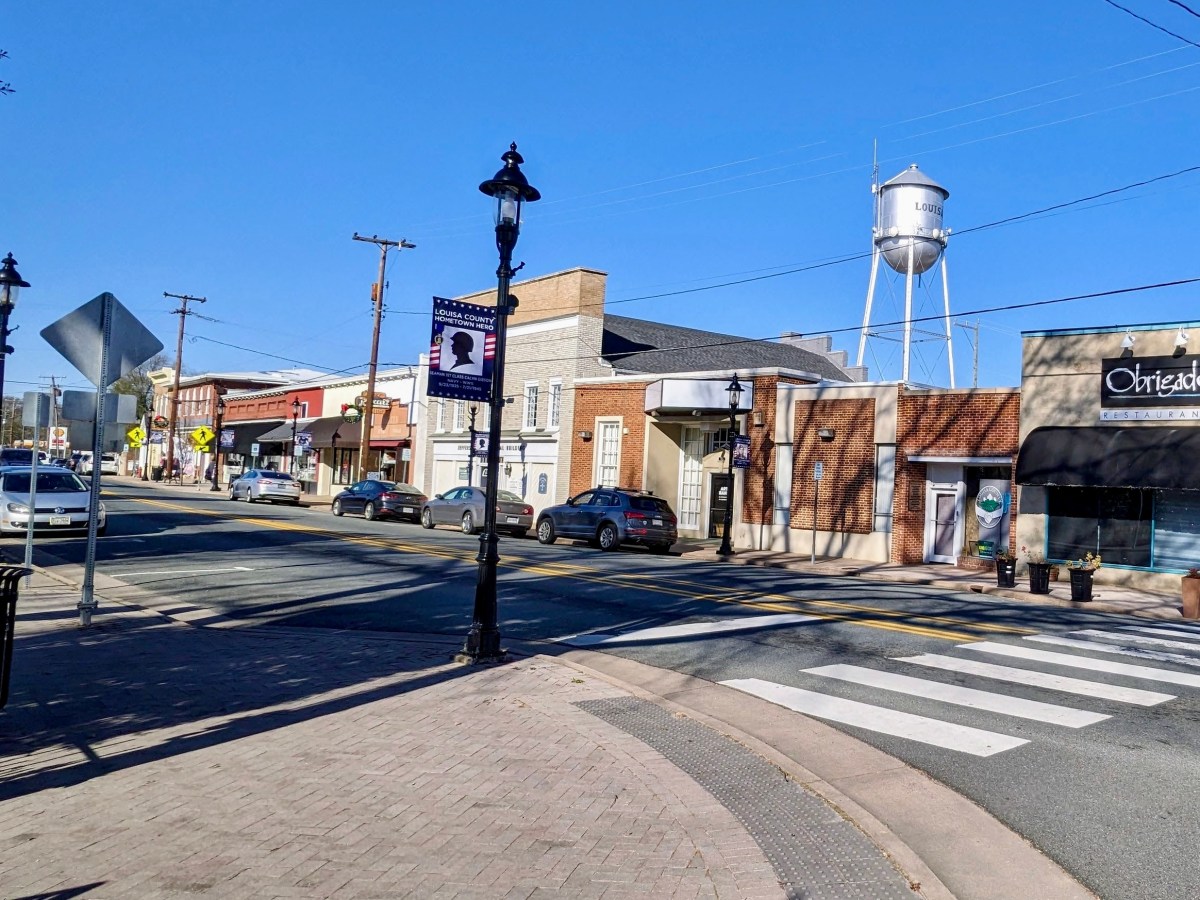
The Town of Louisa faced five resignations in less than a year. Now it’s trying to rebuild
During staffing shortages and months without meeting minutes, residents felt left in the dark. The town is trying to improve its communication.
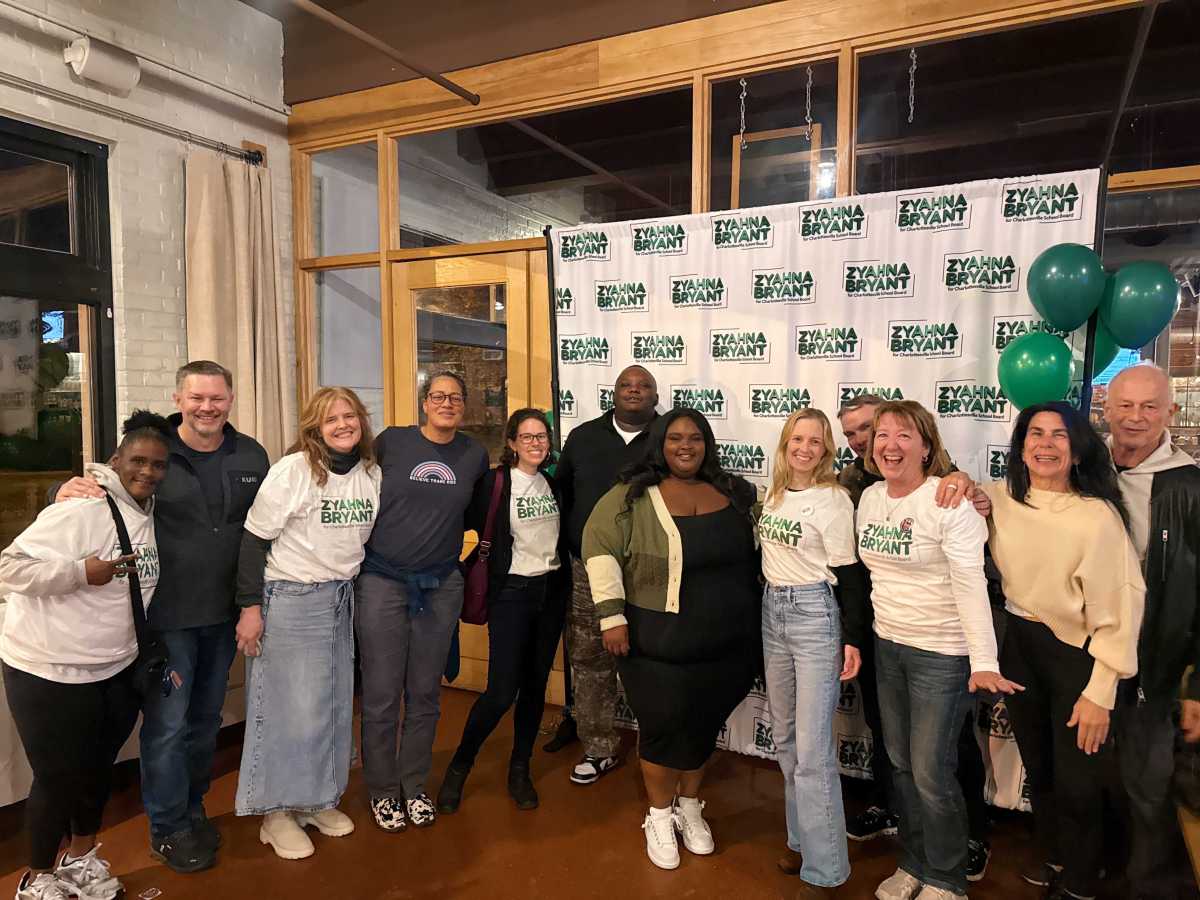
Longtime activist, first-time Charlottesville City School Board member Zyahna Bryant wants to elevate youth voices
“I believe that the community is ready for something new, and so that just makes me so excited to be on the cusp of that and to see a new wave of leadership,” Bryant told Charlottesville Tomorrow.

Q&A with two candidates, Juandiego Wade and Jen Fleisher, running unopposed for two seats on the Charlottesville City Council
Fleisher and Wade won the Democratic primary for the Council race, beating out Councilor Brian Pinkston.