

Did someone forward you this email? Maybe you’ve found it on the web? Here’s where you can subscribe for free!
Friday, Dec. 8, 2023
It was standing room only for Charlottesville City Council’s public hearing on the proposed new zoning ordinance this week.
Council members heard from nearly 100 people who came to offer their opinions and share their experiences living in Charlottesville. At the end of the four-hour meeting, Council members decided they needed more time to digest what the community had said and deliberate before making a decision. They will meet again Wednesday for a work session, when they might vote on the draft ordinance.

After hearing from nearly 100 people on the proposed zoning ordinance Tuesday, Council decides to continue deliberating
In its broadest sense, the purpose of this zoning rewrite is to increase the density of housing allowed across the city in order to (hopefully) encourage the development of more housing at different price ranges. Now, whether or not it will accomplish that goal is hotly debated. Some who oppose the ordinance say they are concerned that the added density will enable developers to build expensive apartment buildings that ruin the character of Charlottesville’s neighborhoods and do nothing to add affordable housing.
But others disagree, including the city’s planning commission disagrees, which has recommended that City Council adopt this new plan along with multiple restrictions and incentives aimed at pushing developers to add housing at varying levels of affordability. Our neighborhoods reporter, Erin O’Hare, is working on a report for next week that explores the question so many of you have sent us: Will Charlottesville’s proposed new zoning code create more affordable housing?
In the meantime, if you’re interested in this topic, here are a few reports on Charlottesville’s current housing market, and how it is affecting residents.
At the moment, Charlottesville’s demographics are quickly changing. The incomes of the folks living here have shot up in the past few years. That’s partly because the city’s lower income people are leaving and being replaced by higher earning individuals.
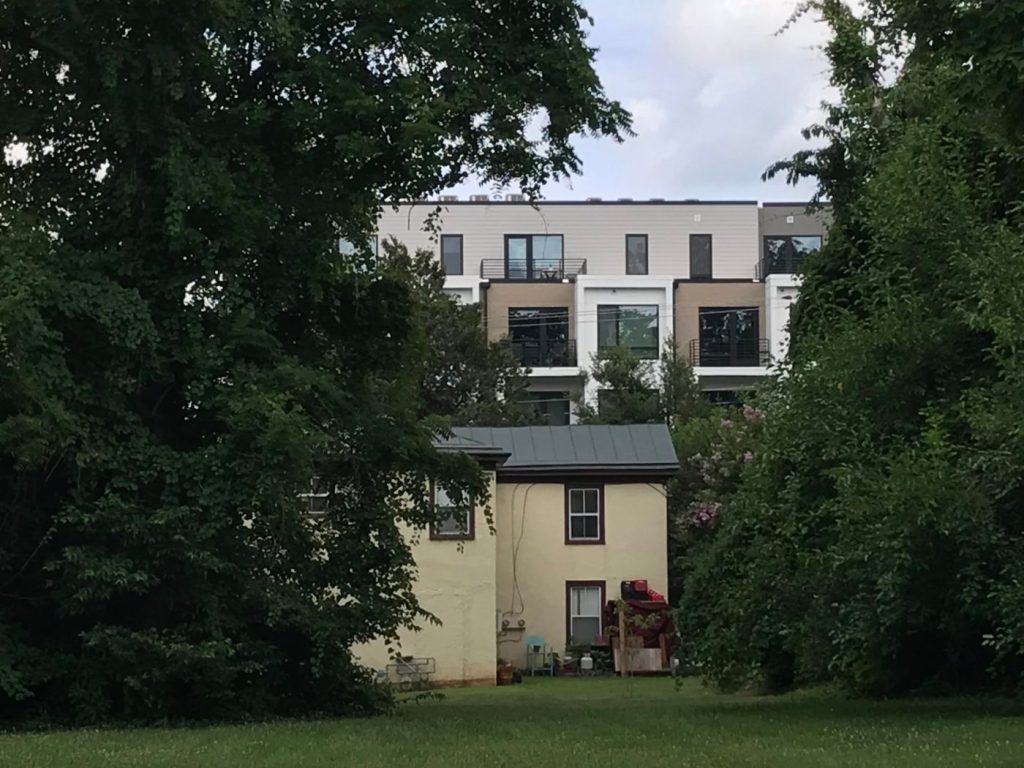
In the Charlottesville area, the rich are getting richer, while the poor are getting pushed out
From the community

Want to see your message in our newsletters? Here’s how to become a sponsor.
This is particularly clear when you look closely at some of the city’s historically lower income neighborhoods, as our team has in the series Changing Charlottesville. Fifeville, for example, saw its median household income jump 34% from 2019 to 2021.
In 2013, Fifeville was economically diverse, with household incomes distributed relatively evenly across the spectrum. However, more households fell into the lowest income bracket, earning less than $20,000 per year, than any other. But by 2021, just eight years later, more Fifeville households fell into the highest income bracket — earning $100,000 or more each year — than any other.
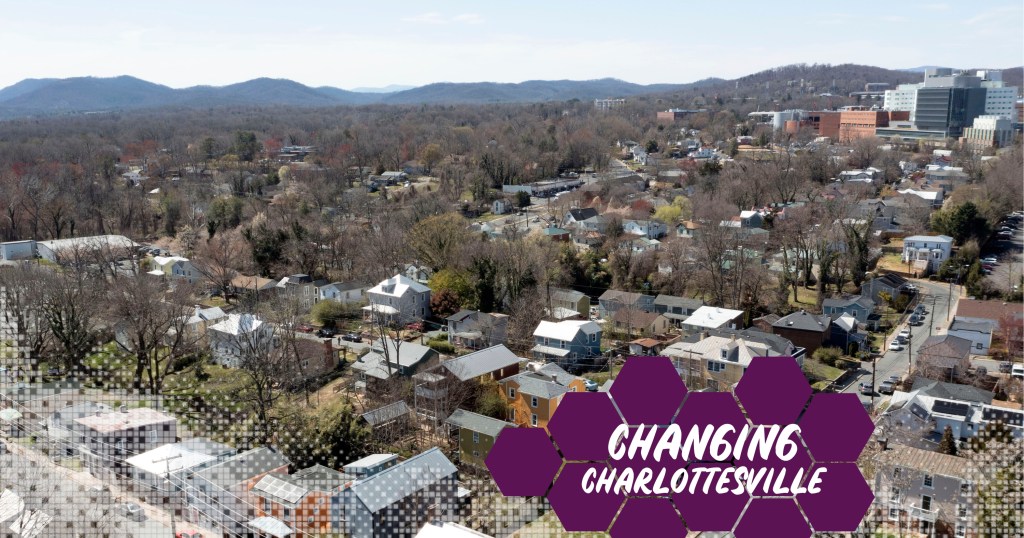
One of the oldest and most dense neighborhoods of Charlottesville, Fifeville has been changed by the expansion of UVA
In her reporting, Erin has found multiple former Charlottesville residents who have left the city because they could not find places they could afford to rent. (Many have full time jobs.)
“Displacement is happening today, under our existing zoning,” said James Freas, director of Neighborhood Development Services.
If you’re interested in learning more about how Charlottesville’s proposed zoning ordinance will (and won’t) affect the price of housing in our city, watch for Erin’s upcoming report next week.
Have a great weekend, everyone!
Jessie Higgins, managing editor
P.S. We’re hiring: Cover big stories in local democracy as a reporter with Charlottesville Tomorrow!


Support Charlottesville Tomorrow with a donation today! Donate here.


