
The people who pick apples at orchards and work at farms across central Virginia are an important part of the region’s communities — but their stories are rarely seen or heard.
A new photography exhibition in Nelson County aims to change that.
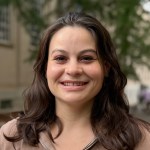
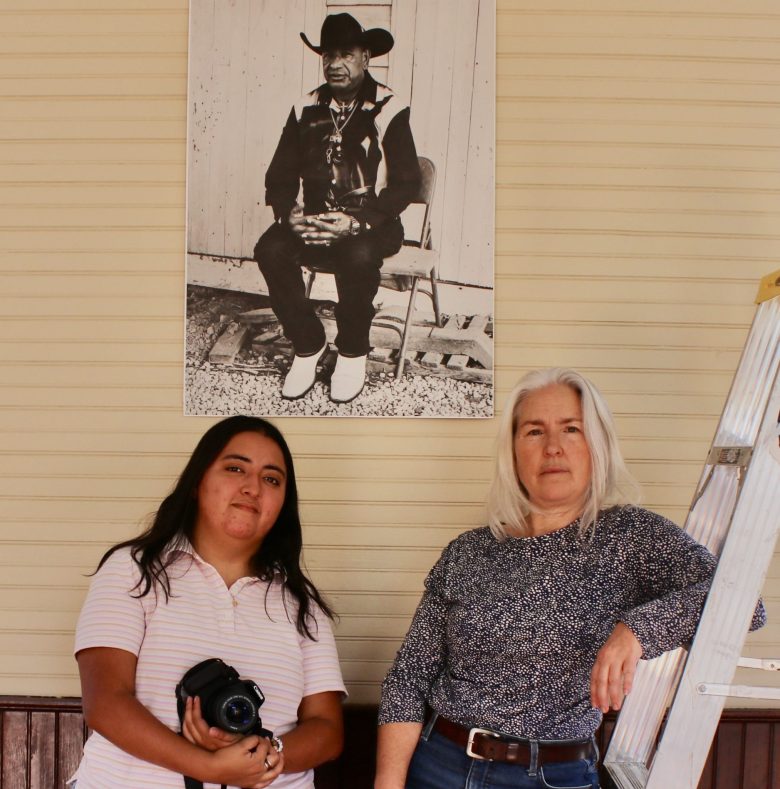
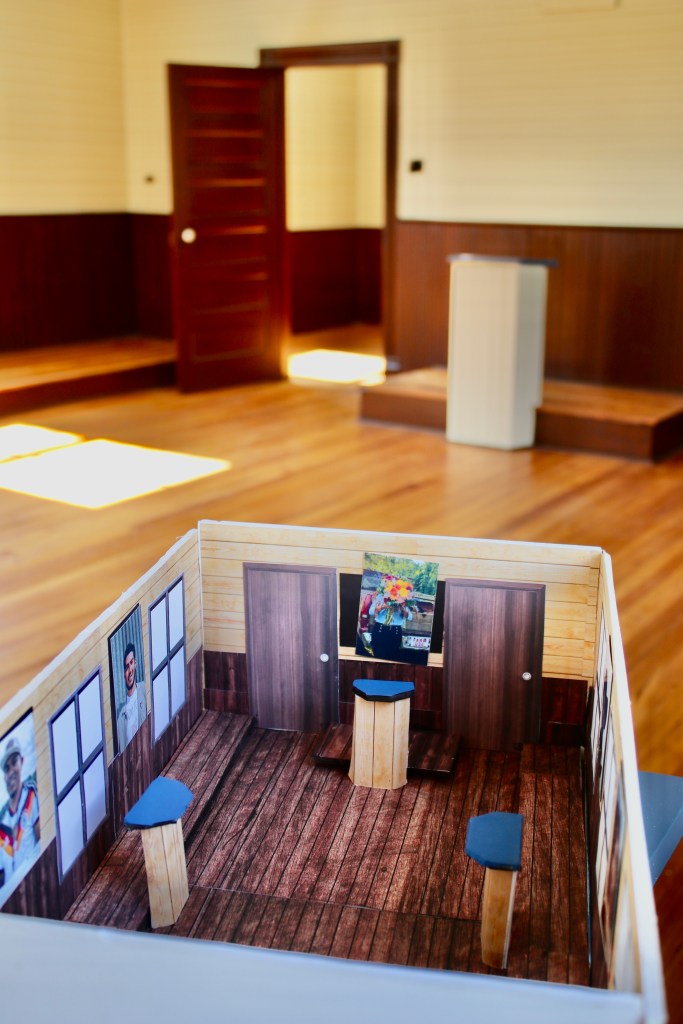
The exhibition is named “Aquí Estamos,” which translates to “Here We Are.” It will feature the portraits and stories of local farmworkers, as captured by Andrea Gomez Munza, a Colombian photographer and multimedia artist based in Christiansburg, Virginia. Munza’s work combines photography and storytelling to explore and highlight the complex realities of Latino identities in the United States.
The goal of the exhibit, Munza told Charlottesville Tomorrow, is to help push back against the dehumanization of immigrants by giving central Virginia residents a chance to learn more about the lives, stories, passions and dreams of some of the farmworkers who help feed their communities.
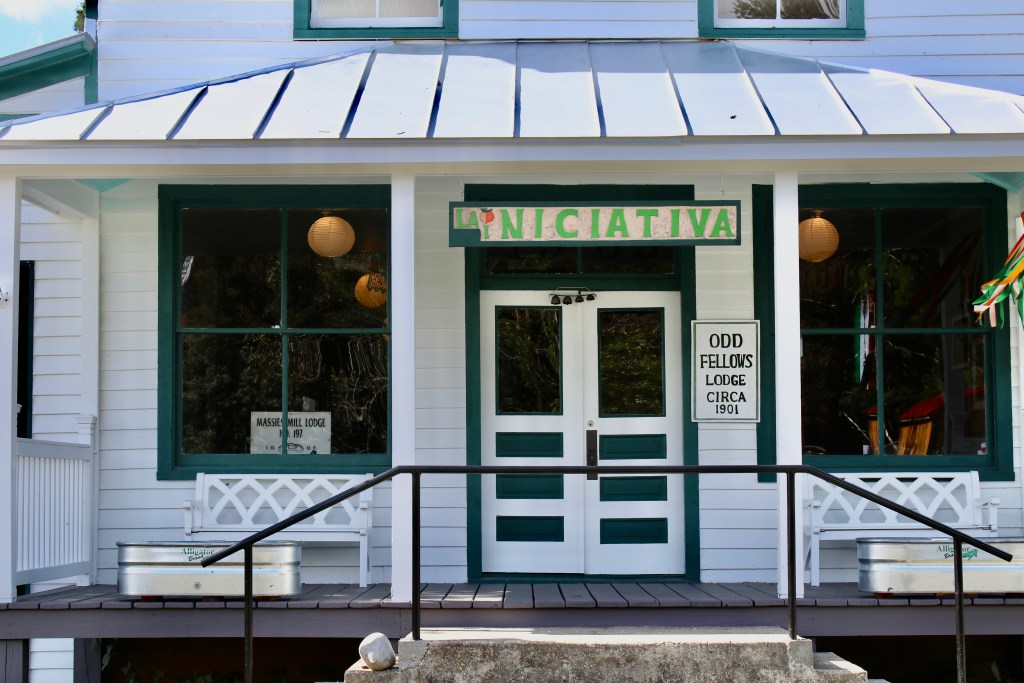
The photography exhibition is a collaboration between Nelson County’s farmworker community and the Central Virginia Farm Workers Initiative/La Iniciativa. The Nelson-based nonprofit advocates for and provides healthcare and educational resources to central Virginia farmworkers.
The exhibition was first envisioned by the nonprofit’s executive director and founder, Nelson County native Vanessa Hale, “as a way to honor and celebrate the people in our community that are often unseen,” she told Charlottesville Tomorrow. Hale hopes the exhibition will provoke and promote discussions about “the hidden cost of farm labor and who we are as a community.”
It’s also a way for farmworkers to tell their own stories, in their own words. And — as Francisco “Paco” Resendiz Trejo puts it, a way to say: “look at me, I’m here too.” Trejo is a seasonal farmworker from Mexico who picks apples in a Nelson County orchard.
“Behind every apple, there is a person with stories, dreams and goals,” Trejo said.
He is one of nine participants who will be featured in the exhibition, which will include four seasonal immigrant farmworkers, two former farmworkers and three descendants of farmworkers.
Raquel Iniesta, a Nelson County native and daughter of an immigrant seasonal farmworker, will also be featured in the exhibition.
For Raquel, Aquí Estamos carries a simple but powerful message.
“People deserve to be seen simply as people,” she said. “To be recognized as part of this community. We are here, we are ordinary people too, and we carry history.”
The exhibition is funded by a grant from the Charlottesville Area Community Foundation’s Solidarity Program. CACF is a nonprofit that supports local organizations and initiatives working to strengthen central Virginia communities, and the Solidarity Program aims to support racial equity in the region.
(Disclosure: CACF is also a donor to Charlottesville Tomorrow. Donors do not have a say in our editorial decisions. Here is our editorial independence policy.)
Take action
Learn more about the farmworkers feeding central Virginia
The upcoming “Aquí Estamos,” or “Here We Are” photography exhibit will showcase portraits and stories from some of central Virginia’s immigrant farmworkers, in their own words.
The exhibition’s opening is free and open to the public. After the opening, the exhibition will be open to the public via appointment.
The exhibition will open at 3 p.m. on Sunday, Nov. 8, and will take place at the historic Odd Fellows Hall in Massies Mill, located at 1953 Crabtree Falls Highway. To set up an appointment to visit the exhibition after the opening, organizers ask that individuals text or call 434-964-7004.