

As of 11 p.m. on Saturday, Oct. 21, the park will once again close at night, forcing the community that has been staying there since Sept. 21 to remove their tents and belongings, or risk being kicked out or ticketed for trespassing.
Charlottesville City Manager Sam Sanders announced the decision Friday afternoon, a little over a week before the change will take place.

From Oct. 21 night on, the park will be open to visitors from 6 a.m. to 11 p.m. daily.
Sanders lifted the curfew on Thursday, Sept. 21, after an alleged altercation between city police and two unhoused community members who were in the park after hours. Soon after, a tent community began to grow; dozens of people are now living in the park.
Sanders’ decision to reinstate the curfew is influenced by a couple of things, according to a city press release. One is that People And Congregations Engaged in Ministry (PACEM) will open its seasonal overnight shelter on Oct. 21. PACEM’s seasonal shelter was due to open on Oct. 28, but is opening a week earlier to help shelter folks in the park, Liz Yohn (formerly Nyberg), PACEM’s operations manager, wrote in a press release. They’ll have capacity for about 35 men and 15 women.
Another is that there are open shelter beds at the Salvation Army, located at 207 Ridge St. In order to help PACEM, the shelter will have an additional 16 beds, 8 each for women and men, said resident shelter and kitchen manager Brenda Smith.
Sanders will give a more detailed update during Monday’s City Council meeting, which starts at 6:30 p.m. Register to attend, or watch virtually, here.
If you are seeking resources from People and Congregations Engaged in Ministry (PACEM), visit their website or call 434-465-2800. The Salvation Army is at 207 Ridge St. in Charlottesville, or call 434-295-4058. Looking for resources for housing, health, transportation and other types of support? Bookmark Street Sheet Resources, produced and kept up to date by various agencies. It has resources you can use or share with neighbors, and have printable versions in many languages.
While we can’t cover every story that’s important to you, we do our best to be responsive to your needs. We use tips from readers to choose which stories to cover, to incorporate information into broader reports or to help us decide how to grow Charlottesville Tomorrow. Here’s where you can tell us what you think we should be covering.

Read more about Market Street Park and those who are seeking shelter
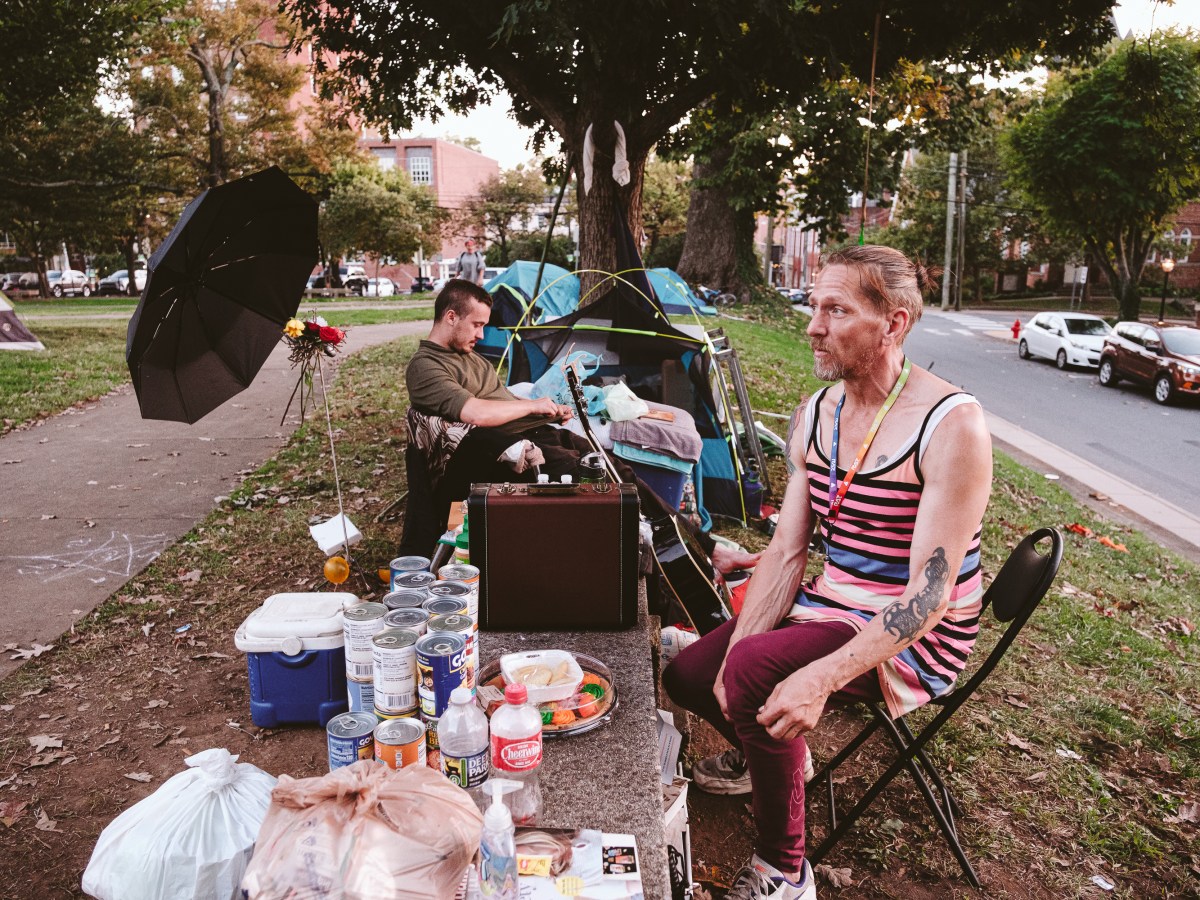
Charlottesville had — and lost — a shelter that social workers say could have helped hundreds of unhoused people off the streets
Had the shelter continued, its homeless service workers are convinced they could move hundreds more people off the streets, including many of those now camped downtown.


Who are the people camped at Market Street Park? What is the city’s plan?
We have answers to some of your most pressing questions about the downtown homeless camp.


Charlottesville’s Market Street Park is now the site of a homeless encampment
The city lifted the park’s curfew after residents complained that police were harassing people staying there overnight.
More local News
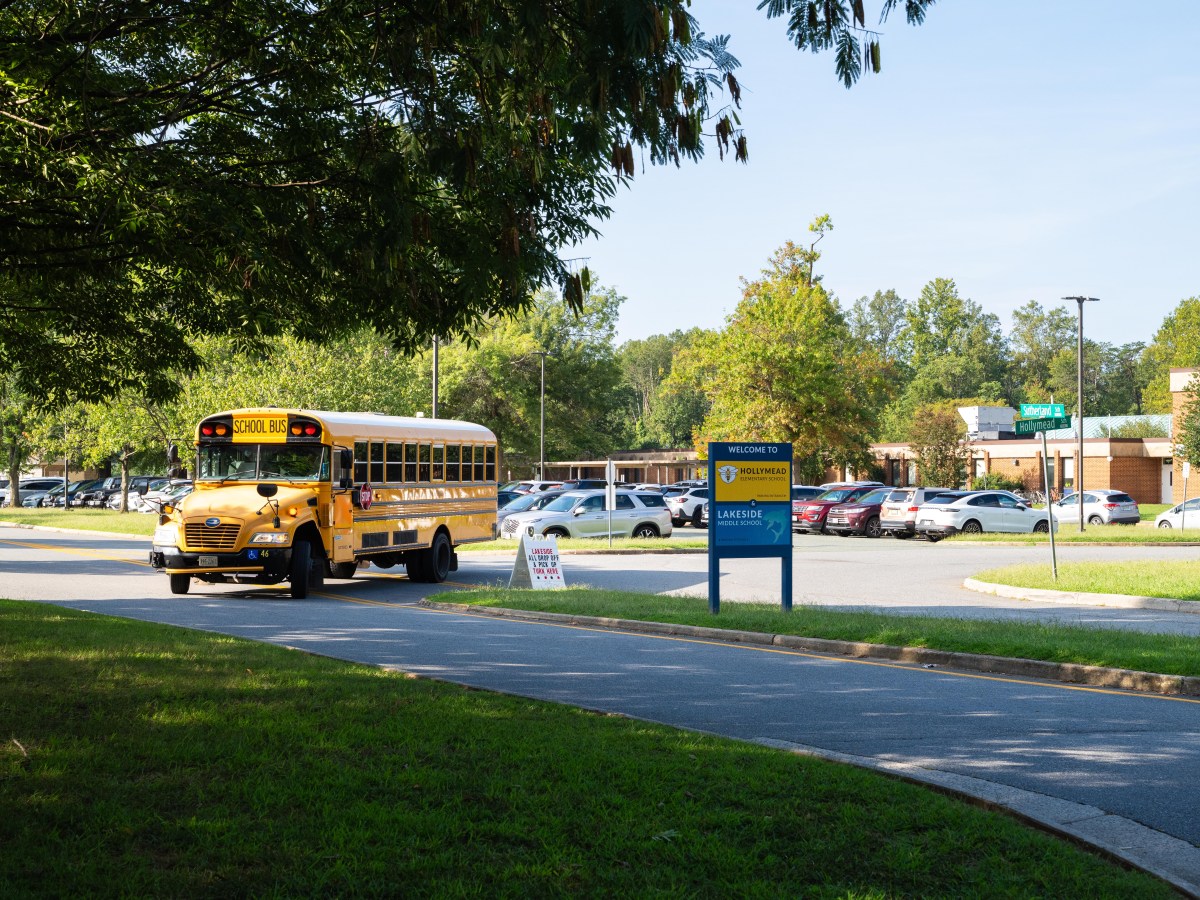
Following sudden closure of Albemarle County Public Schools, here are some resources to help families
Local and national organizations can provide assistance with childcare, meals and mental health.


¿Te has preguntado alguna vez cómo una idea se convierte en un artículo de noticias? Las respuestas, en esta guía
Cubrimos temas importantes para la comunidad, pero sólo podemos hacerlo con tu ayuda.

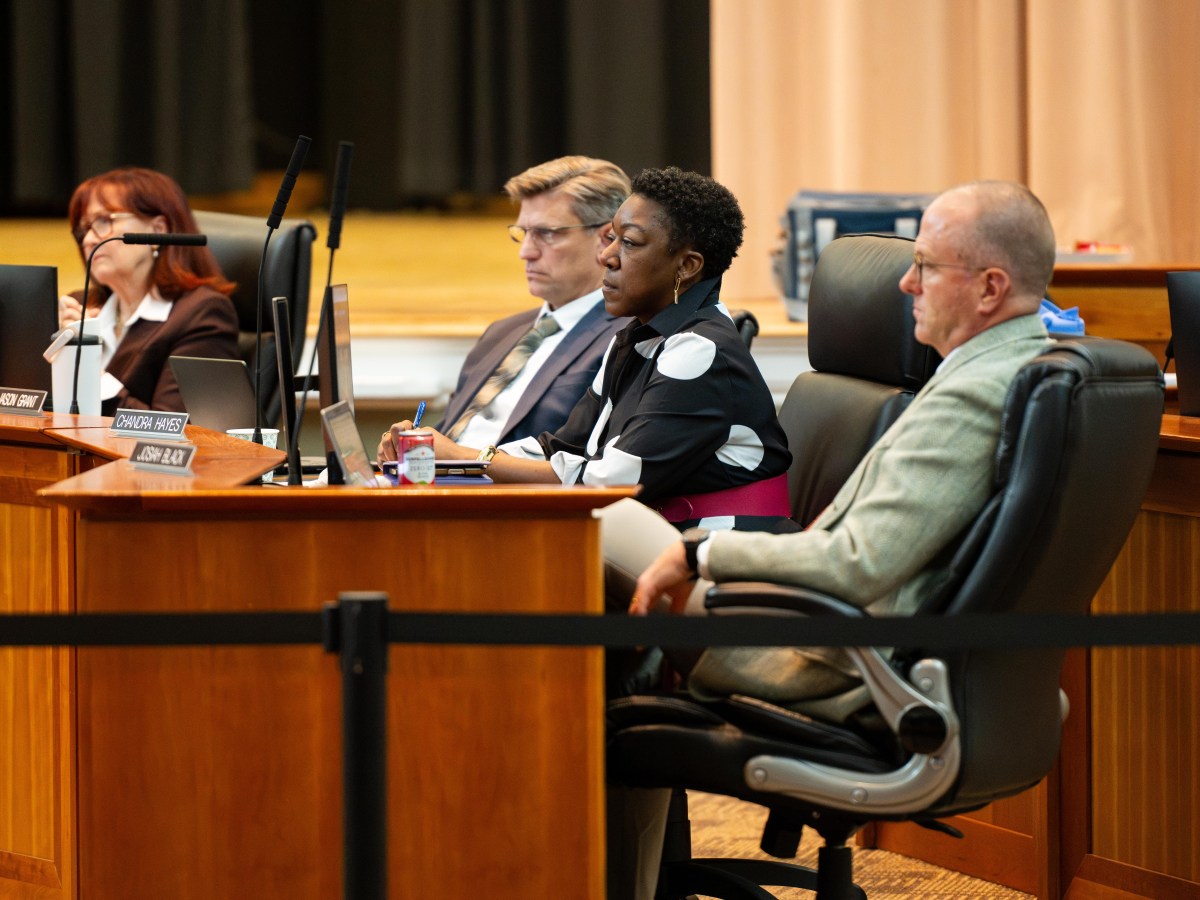
Albemarle County abruptly closes schools after finding failures in employee background checks
“Families should not have to accept any uncertainty about the adults working with their children, and I will not risk the safety of our students,” Acting Superintendent Chandra Hayes said in a statement.

Health officials identify measles exposure sites in Charlottesville and Farmville
The news comes as the U.S. lost its measles elimination status for the first time in 26 years.

UVA students say they were promised a university committed to inclusion. Now, they’re watching the university dismantle those programs.
The university voluntarily entered an agreement with the Department of Justice and pulled funding from diversity and inclusion programs that students say they depended on.