
In Virginia, school board members are elected to four-year terms and serve as the leaders of the district, ensuring effective schooling and setting the direction of public schools. All seven seats on the Charlottesville City School Board are at-large seats, they are elected by all voters in the city.
This year, four candidates are running for three open seats. School Board hopefuls Zyahna Bryant and Dashad Cooper are running, along with incumbents Emily Dooley, who is seeking a second term on the board, and Lisa Larson-Torres, who is seeking a third.
Charlottesville Tomorrow designed a questionnaire for the candidates based on more than 160 responses we received to a voter survey. They provided answers below.
Responses have been fact-checked by reporters and lightly edited for readability.
Charlottesville City Schools have struggled with persistent achievement gaps, particularly among Black students and economically disadvantaged students. What ideas do you have as a school board member to improve academic outcomes across all student groups?
Lisa D. Larson-Torres: Yes, we, like many other school divisions, have achievement gaps. Dr. Gurley [Charlottesville City Schools Superintendent] and his team are tackling this head-on this year, starting the year off with a bold opening session for all staff. “…nothing can be changed until it is faced.” (James Baldwin)* As a board member, I will continue to advocate and prioritize funding for targeted interventions and increased staff to support our Black and economically disadvantaged students. CCS is doing a lot of good things to support our students — Tier 1 instruction for all students, ALL In funds for in-school interventions, WIN “what I need” time, alternative learning spaces** to meet students where they are and to keep them in school) I would love to see the Virginia Department of Education recognize and celebrate our students’ talents, strengths and growth outside of SOL [standards of learning] scores because we at CCS recognize the beauty and individuality of every learner.
*Editor’s note: The full quote is “Not everything that is faced can be changed, but nothing can be changed until it is faced.” It comes from an article Baldwin wrote, called “As Much Truth as One Can Bear,” in a 1962 New York Times Book Review article.
**Editor’s note: Charlottesville City Schools has three alternative learning spaces for students. Lugo-McGinness Academy is for students in grades 8-12 who are at academic risk, or who want a more personalized course load. Knight School, located at Lugo-McGinnis, is a night school for Charlottesville High School students experiencing academic and social challenges. The New Pathways Academy, located at the Boys and Girls Club on Cherry Avenue, is for 7th and 8th grade students who need additional academic, social, emotional or behavioral help. Read more about these spaces in this 2024 report from Charlottesville Tomorrow.
Emily L. Dooley: Improving outcomes requires both long-term systemic change and immediate support. Long term, we must expand access to early childhood education, strengthen career and technical pathways, and ensure every student has access to rigorous courses. At the same time, students need help now. That means sustaining interventionists, English learner teachers, and social-emotional staff in every school, and ensuring teachers have the tools and training to meet students where they are. By balancing immediate supports with long-term investments, we can address persistent gaps while also creating a system that will better serve students for years to come.
Dashad L. “Tippy” Cooper: I recognize that this isn’t a new issue and has been an issue since I was in school and before me. This issue has mostly affected Black students and students of lower-income families. Closing the gap starts with making sure every student has access to the proper resources, support and opportunities they need to succeed, and not just some.
First, I want to start with early intervention and consistent support to make sure every student who is falling behind gets the right help right away through tutoring, mentoring and culturally-relevant teaching practices.
Making sure we are partnering up with families and community organizations because we cannot tackle this issue without first building trust and hands on work with parents and groups already doing the work with our students. There is an old saying: It takes a village!
Zyahna “Zy” T. Bryant: I believe that all students deserve access to a quality education and safe, inclusive learning environments. The achievement gaps, particularly among Black students and historically marginalized students, reflect systemic inequities that require bold and community-based solutions. I believe that when we focus on supporting students and their families, we see true transformation. By implementing more culturally relevant teaching styles and classroom practices, along with refining student success processes, we can begin to reach the students who have been pushed furthest into the margins. By empowering families as partners in making the best educational experiences for their students, outcomes improve. All of these things require professional development opportunities and support for educators and staff who are in the buildings interacting with students day in and day out.
The achievement gap is a layered issue that requires a multifaceted approach — that is the leadership I plan to bring to the Board.
Charlottesville City Schools is moving forward with long‑awaited renovations to Charlottesville Middle School and the reconfiguration of Walker Upper Elementary. Beyond those projects, how would you approach ongoing maintenance and future facility needs across the division to ensure safe, modern learning environments for all students?
Larson-Torres: We are actively working with City Council and the City Manager to come up with a more robust and dedicated CIP [Capital Improvement Projects] funding stream to modernize each of our aged school buildings moving forward.
Dooley: Renovating Charlottesville Middle School and completing the reconfiguration of grades throughout the division are major milestones, but we cannot wait another 50 years for our next school improvements. We must work closely with City Council to create a transparent, long-term facilities plan that ensures safe, modern schools for every student. Preventive maintenance and upgrades should be prioritized so problems don’t pile up into costly crises, and improving efficiency and environmental sustainability should be incorporated with any construction or renovation. At the same time, we need to advocate with our state legislators for more flexibility in how Charlottesville can generate local revenue,* so our community has the resources to maintain and improve schools on a realistic timeline.
*Editor’s note: The Virginia General Assembly has given nine localities throughout the state the authority to impose a 1% sales tax to raise revenue specifically for school construction and renovation. So far, Charlottesville is not one of them. This report in The Virginia Mercury explains why local governments must get permission from the General Assembly in order to do this.
Cooper: I was amazed to see how beautiful Charlottesville Middle School looks! Most definitely jealous, but to see how much the kids enjoyed their new school with so much natural light really put into perspective that we need to modernize each school.
I give props to the division on working with the city to come up with a game plan on a long-term plan for maintenance and upgrades across the entire division, but there is more work to be done.
We need regular assessments and transparency with our facilities and being upfront with families about what’s working and what isn’t. Prioritizing equity to make sure schools serving our most vulnerable students aren’t the last in line for improvements. Continue to smart plan and partner with the city, state, and community to secure funding. As a board member I plan to make sure facilities decisions always put students first.
Bryant: Our students deserve facilities that welcome exploration and collaboration. Continuing to modernize facilities is essential for the experiences of the students, families, and staff alike. I do believe that it is key to be proactive in maintenance because when there are delays in addressing maintenance issues, they can quickly become safety concerns. By implementing a system of ongoing monitoring routine assessments, the district can remain aware of issues and opportunities for changes that can benefit students and staff, alike. Prioritizing sustainability efforts that align with broader goals and priorities identified by the community is also key. Having well-maintained facilities is about more than just aesthetics, it is about equitably investing in all of our students.
Charlottesville, like many divisions in Virginia, struggles to retain teachers. What strategies would you support to attract and retain quality educators?
Larson-Torres: Our HR team continues to work hard to recruit and retain quality educators. I sat at the table with Ms. Dooley and CEA [Charlottesville Education Association, the teacher’s union] members to craft our collective bargaining resolution/agreement and we as a board have approved the first contract for licensed staff this past budget. We, the board, requested last year to give staff two extra days off for personal time and are very sensitive and appreciative of the work and time they invest into teaching and caring for our students.
Dooley: Strong schools start with strong teachers. I was proud to help approve collective bargaining in Charlottesville and our first negotiated contract, which ensures educators have a real voice in their working conditions. We listened when teachers said they needed more support: We added two mental health days to the calendar and increased substitute pay* so teachers aren’t constantly covering classes for their colleagues. To attract new talent, I support expanding alternative pathways to licensure so more people can enter the profession. Retaining great educators also means competitive pay, respect for their expertise, and safe, supportive schools. I’m committed to making Charlottesville a place where teachers choose to stay and grow their careers.
*Editor’s note: In March 2022, Charlottesville Tomorrow reported that as of fall 2021, Charlottesville City Schools paid substitute teachers a daily rate of $97 to $140. The fall 2025 substitute teacher pay rates, according to the Charlottesville City Schools website, are $140 per day ($20 per hour) for elementary school, including Walker Upper Elementary, substitutes, and $210 per day ($30 per hour) for Charlottesville High School and Charlottesville Middle School substitutes.
Cooper: Teachers are the backbone to our schools, students, and communities. If we truly want the best for our children, we have to continue to take care of the people in our classrooms. When we think about retaining educators we often jump straight to salaries. Though pay matters, as they have to make a living, it is also about educators feeling supported, respected and valued.
I want to push for these three things:
- Continue strengthening CEA, which has fostered competitive pay and benefits to keep up with surrounding divisions
- Support inside classrooms to make sure teachers have the resources, training, and continue to manage class size so teachers can focus on teaching.
- Build a strong school culture where teacher voices are heard, their ideas count for something, and remember they are a part of our community as well.
Bryant: I would support the expansion of existing partnerships between CCS and the University of Virginia and Piedmont Virginia Community College.* I see these partnerships as pipelines to attract educators to the district. It is also important to be diverse and equitable in recruitment practices and strategies. I am just as committed to advocating for policies that refine the recruitment process making it more equitable and diverse, as I am to fully supporting the CEA in their advocacy for fair and competitive wages, improved work environment/conditions and professional support from the district’s leadership. We want skilled educators to come to CCS, but we NEED them to stay. We can achieve both by listening to educators’ perspectives and concerns while partnering with them to find the best possible solutions.
*Editor’s note: The University of Virginia’s School of Education and Human Development partners with Charlottesville City Schools on its student teaching program. CCS also has a recruitment specialist that builds relationships with schools like UVA and PVCC not only to recruit teachers, and to outline potential career pathways for students, even in high school, who might express interest in a career in teaching in their community.
Across Virginia, schools have become a political flashpoint — with debates over curriculum, parental rights, book bans, and inclusive education often mirroring national controversies. What is your approach to navigating these debates in Charlottesville? How would you balance the interests of parents, educators, and students when conflicts arise around classroom content?
Larson-Torres: I am very much attuned to national controversies. At this point I try to stay informed and am always available to listen and receive information or concerns from community members specific to CCS education/curriculum etc.
Dooley: My role is to keep politics out of classrooms and focus on what matters — students. I believe in honest, inclusive education that reflects our community and prepares young people for the real world. Parents are vital partners, and I will always listen, but I also trust educators to teach with professionalism and care. When conflicts arise, I look for balance: respecting families while ensuring students can learn without fear or censorship. We should reject book bans and divisive politics that distract from learning. Our schools must be safe, supportive, and focused on student success.
Cooper: I believe as a school division our main objectives is to make sure our students feel safe, have a welcoming place, and the opportunity to learn. We must listen to parents, support our educators, and put students at the center of every decision.
As we debate over curriculum, parental rights, book banning, or inclusive education, we as a school division must approach this by simply being transparent, having dialogue, and making evidence-based decisions. Parents and teachers need to have a seat at the table but focus needs to always remain about helping students learn and grow. As a school board member, I’m not going to let politics dictate our classrooms, because our school board exists to ensure education is inclusive, accurate, and developmentally appropriate.
As a board, our focus is on listening to all voices, and prioritizing student learning and making decisions guided by facts not fear or ideology.
Bryant: My belief is that if we say we are committed to equitable learning opportunities, diverse experiences and perspectives, and inclusive school communities, that must be reflected in classroom content. We cannot shy away from teaching what some might consider to be “hard” histories, for example, but we must equip our educators with the necessary tools and training to foster classroom environments that feel safe and healthy for all students.
Do you support the continued use of diversity, equity, and inclusion (DEI) practices in Charlottesville schools?
Larson-Torres: Yes, I am proud of the work we have done around diversity, equity and inclusion.
Dooley: I firmly support continuing DEI-informed practices in Charlottesville schools. These efforts are fully compliant with federal law and don’t give anyone an unfair advantage—they simply ensure every student receives the support they need to thrive. Our district has established equity and anti-racism policies, and our equity-centered professional development* equips teachers to deliver responsive instruction. Inclusive and supportive schools benefit all of our children.
*Editor’s note: The Charlottesville City School Board discussed equity-centered professional development during its August 7, 2025 meeting.
Cooper: I support DEI practices that include students having an equal opportunity to succeed — that means recognizing and addressing barriers that some students face because of race, gender, ethnicity, sexual orientation, disability, age, culture, class, veteran status, or religion. My focus and everyone else’s should be on equity in outcomes and not labels or policies.
DEI is about making sure every student feels safe, respected, and supported! As a board we need to make sure we are giving resources to teachers to make sure teachers have the tools to meet each student where they are. My approach is realistic and we need to look at the data, identify gaps and barriers, provide resources, and measure progress. As a school board member my mission is to help our students learn and thrive.
Bryant: Diversity, equity and inclusion practices have been used to help level the playing field and provide support to those who need it the most. All students deserve to have the access to the resources that they need to have the best possible educational experience in the division. When we seek to support our most vulnerable populations, and we do it well, everyone benefits.
Funding for school districts in Virginia is changing rapidly, with less money coming from the state government and federal support also possibly disappearing. What are some of the ways you are thinking about maintaining funds and services for your school division in this shifting landscape?
Larson-Torres: I believe in public education and I believe in Charlottesville City Schools. Being involved at the local and state levels are imperative moving forward as the federal monies are more uncertain than ever. Dr. Gurley is clear on the board’s priorities as well as the community’s and we will continue to work closely with City Council to ensure our students get what they need.
Dooley: Charlottesville students deserve stable funding regardless of state or federal shifts. I will continue to work with City Council on long-term financial planning to sustain key positions like interventionists, English language learner teachers, and social-emotional staff. We must also advocate with state legislators to modernize Virginia’s outdated funding formula* and expand local revenue options so our community can directly invest in schools.
*Editor’s note: Virginia’s public school funding formula is more than 50 years old. A September 2024 report from The Virginia Mercury explains how state lawmakers might move to update it.
Cooper: I recognize the rapid changes in state and federal funding, and we must be proactive with Dr. Gurley to ensure we continue providing a high-quality education for every student. If Abigail Spanberger wins [the governor’s race], I hope to align with her education priorities, particularly those that support equitable access to resources and strengthen opportunities for students and teachers.
My approach is simple: prioritize resources, be strategic, and build strong partnerships within our community to protect and enhance programs that directly benefit our students.
I would continue exploring partnerships with local businesses, nonprofits, and higher education to support programs that otherwise lose funding.
We must continue to be creative and conscious, but focus is always on protecting programs and services that directly benefit students.
Bryant: It is important now more than ever that the division sticks to its core values and makes budgeting decisions that align with those values that include academic excellence, equity and keeping positive student outcomes at the forefront of the decisions that are being made. We must remain committed in thought and with our dollars to the programs that have been shaped by the growing needs of our most vulnerable and marginalized populations.
In the same token, conversations about and advocacy for funding our schools must extend beyond the local level — we must work to have our perspectives heard on the state level. Our community cares about the growth and success of our students. As a board member, I would be committed to exploring all avenues of collaboration. In this moment, cultivating relationships with community partners will be necessary, as we truly are stronger when we all work together.
School districts across the country — including here in Virginia — are grappling with how to manage student use of cell phones and other devices during the school day. This now includes concerns about access to artificial intelligence tools. What kinds of policies, if any, would you support to manage student use of electronic devices and AI tools during instructional time?
Larson-Torres: We have implemented “off and away for the entire day” related to cell phones and electronic devices and I have heard it’s been a game-changer.* CCS had a committee who met and worked this summer on AI policies for the division. On June 5, 2025 the board took action on a specific policy and it will be reviewed and updated every year. The policy and regulation address the following;
- Staff and Student Privacy: Safeguarding the confidentiality of personal information
- Academic Integrity: Promoting ethical practices and preventing plagiarism
- Developmentally Appropriate Instruction: Ensuring students receive age-appropriate education on the ethical and responsible use of generative AI
*Editor’s note: In a September 1, 2025 email newsletter to families, Charlottesville High School principal Dr. Justin Malone wrote about the changes the “off and away” policy has made in the school environment.
Dooley: I support Charlottesville’s ban on student cell phones during the school day. Phones are a major distraction and removing them helps students focus, connect with peers, and engage in learning. With AI tools, I believe we should focus on teaching students how to use them responsibly—supporting creativity, critical thinking, and academic honesty. Rather than banning new technology outright, our policies should emphasize balance: protecting instructional time, reducing distractions, and preparing students for the world they are entering. That means training for teachers, clear expectations for students, and ongoing conversations with families.
Cooper: Technology can be a powerful tool for learning, but also can be a distraction if not managed thoughtfully. The division has a mandate that personal devices be kept off and away throughout the entire school day. I do support policies that allow teachers to integrate technology where it enhances learning, but with limits. We should teach our students how to use AI responsibly, which helps them develop critical thinking skills while maintaining academic integrity.
I think CCS was very clear and fair when they applied this mandate to the school division, and I believe we should always make an effort to be transparent, communicate clearly, and ask for input whenever policies change.
Bryant: I am supportive of the district’s “off and away” policy regarding cellphone usage in the classroom during instructional time. The goal is to make sure that students are getting the most out of the school day with very limited distractions. I do believe that administrators should remain equally aware of opportunities and risks when it comes to the usage of artificial intelligence software and technologies so that students can be prepared to use modern learning tools and technologies in a responsible manner.
Charlottesville has a growing population of English Language Learners. What is your response to the Department of Education recently rescinding guidance that told schools to accommodate students who are learning English? Do you think this should affect policies in Charlottesville City Schools?
Larson-Torres: We continue to welcome and offer all the supports we can to any and all community members who are learning English.
Dooley: Charlottesville’s diversity is one of the greatest strengths of our schools. The Department of Education’s decision to rescind guidance does not change our commitment to the ideal that every child deserves the chance to succeed, no matter what language they speak at home. CCS must continue to provide strong services for English Language Learners, including dedicated teachers, interventionists, and family supports. We have already made these positions a permanent part of our budget* because we know how critical they are. Federal politics should not decide whether a child can learn and thrive here.
*Editor’s note: As of Sept. 19, the 2025/2026 budget for Charlottesville City Schools has not been finalized. Here is Superintendent Royal Gurley’s proposed budget.
Cooper: Any students that are English language learners are important to our school division. Each and every student deserves the support and opportunity to succeed in life. The Department of Education rescinding guidance on accommodating these students are alarming and disheartening toward anyone, especially children.
I believe the current board and Dr. Gurley are prioritizing equity and access to each child to make sure they are getting the resources and tools they need. My focus is making sure our schools are equipped to meet the needs of every student regardless of federal changes. The right thing to do is what benefits the students we serve. I stand with the current school board and Dr. Gurley in carrying out this mission for every child!
Bryant: I am disappointed to see a divestment of support and guidance from the Department of Education for schools supporting English Language Learners. With such a diverse population of students in the division, I think that it should remain a top priority to provide students with the resources that they need to be successful – and that includes our English Language Learners.
What role do you think career and technical education should play in Charlottesville City Schools, and how should the district approach these kinds of programs?
Larson-Torres: We value career and technical education as one of many wonderful options for students in Charlottesville and surrounding counties — thus our proud acquisition of CATEC.*
*Editor’s note: CATEC stands for Charlottesville Area Technical Education Center, and is a school dedicated to helping high school students and adults develop workforce and career skills. Charlottesville City Schools took sole ownership of CATEC in 2024. Before then, CCS jointly owned it with Albemarle County Public Schools.
Dooley: Career and Technical Education (CTE) must be a core part of our offerings, not an afterthought. Every student should graduate prepared for college, career, or both, and CTE provides real-world pathways that open doors. That’s why I supported Charlottesville’s historic step in acquiring full ownership of CATEC, ensuring we can expand programs that connect students to high-demand fields. We should continue to strengthen partnerships with local employers, offer work-based learning opportunities and align CTE with academic coursework so students see the relevance of their studies.
Cooper: We have to keep in mind that not every student’s path looks the same, and we need to make sure our schools recognize that. I believe career and technical education should be treated as just as valuable as a college prep track. One of my priorities as a school board member is to see our district expand access to these programs, and if there are any barriers for students who want to participate, I want to remove those barriers.
I want to be able to strengthen partnerships with local businesses and community colleges so that students graduate not only with a diploma but also with real skills, certifications, and confidence in their future. Most people see CATEC as another outlet, but to me I see this as an essential part of preparing every student for life after graduation.
Bryant: As the workforce continues to shift and evolve, I think that it is necessary to have Career and Technical Educational opportunities at the center of the district’s priorities and promoted as a pathway for student learning. CTE courses are great for preparing students for direct entry into the workforce and even for students who still plan to go into a post-secondary education program, but want to look ahead in an exploratory way. As a proud Charlottesville City Schools alumna I can confidently say that I have benefitted from experiencing traditionally rigorous course offerings like Advanced Placement and Dual Enrollment courses as well as the Engineering program at Charlottesville Middle School and Charlottesville High School. All of these courses prepared me for college and life after high school beyond the classroom.
Are there any other pressing issues facing Charlottesville City Schools you would like voters to know about?
Larson-Torres: If you have some free time, there are always ways to volunteer and mentor students in the schools. I appreciate your support of public education and Charlottesville City Schools.
Dooley: One pressing issue is the ever-expanding role schools are asked to play in students’ lives. Beyond academics, schools now provide meals, mental health care, social services, and more. While we are proud to step up for children, these added responsibilities can stretch educators thin and pull focus from teaching and learning. That’s why we need strong community partnerships — with the city, nonprofits, and local institutions — so schools are not carrying the full weight alone.
Cooper: Consider which candidates’ positions on teacher support, school modernization, community engagement, and equity to ensure the continued success of Charlottesville City Schools.
Bryant: Yes, the conversations about redistricting* and the return of school resource fficers [SROs] have highlighted issues with transparency and trust. I believe that there is a disconnect between members of the community and the school board. As a board member, I would be committed to empowering youth voices and fostering community through engaging deeply with students, families and educators — with the goal of not only hearing their perspectives, but also inviting them in to be collaborators and thought-partners as we seek to find solutions to the district’s most complicated challenges.
Rebuilding trust is the first step to helping Charlottesville City Schools reach its full potential as a division.
*Editor’s note: In May 2025, Charlottesville City School Board voted to redraw the city’s school districts for the first time in 50 years. The changes will be phased in over a few years, according to a report from C-VILLE Weekly.
More about the candidate and issues
- Campaign finance information about this race, from the Virginia Public Access Project
- A newsletter about Charlottesville Middle School construction, from Charlottesville Tomorrow
- A report including information about conditions at Charlottesville Middle School (then called Buford Middle School), from Charlottesville Tomorrow
- More on the city’s ongoing discussion about school resource officers (SROs), from Charlottesville Tomorrow
- A May 2025 report about school redistricting, from C-VILLE Weekly
- A report from April 2025 on local schools’ reaction to new federal guidance regarding DEI in classrooms, including Charlottesville City Schools, from 29News
- A 2024 report about Charlottesville City Schools’ “Off and Away” cell phone policy, from Charlottesville Tomorrow
- A 2023 report about local educators’ disagreements about the CCS cell phone policy, from Charlottesville Tomorrow
- A 2018 report about Charlottesville City Schools’ achievement gap, which includes Bryant as a main source and addresses districting issues, from ProPublica and The New York Times

Here are key dates and deadlines in the 2025 elections
| Friday, May 2, 2025 | Early voting for primaries begins weekdays at local registrar’s offices. |
| Tuesday, May 27, 2025 | Deadline to register to vote or update an existing registration for the primary election. You can still vote in the primary if you miss this deadline by registering at the polling place and casting a provisional ballot. You do not have to be a member of a political party to vote in that party’s primary election. However, you can only vote in one party’s primary election each year. |
| Friday, June 6, 2025, 5:00 p.m. | Deadline to apply for your ballot to be mailed to you. Requests must be received by your local registrar’s offices by 5 p.m. |
| Friday, June 6, 2025, 5:00 p.m. | Deadline to apply online for an absentee ballot using the Citizen Portal. |
| Saturday, June 7, 2025 | Local voter registration offices open on Saturdays for early voting for primaries. |
| Saturday, June 14, 2025, 5:00 p.m. | Early voting for primaries ends at local registrar’s offices. |
| Tuesday, June 17, 2025 | Primary Election Day! |
| Friday, Sept. 19 to Saturday, Nov. 1, 2025 5:00 p.m. | Check with your local registrar’s office for early in-person voting. |
| Friday, Oct. 24, 2025, 5:00 p.m. | Deadline to apply with your local registrar’s office for a ballot to be mailed to you. |
| Tuesday, Nov. 4, 2025 | Election Day! |
We will update this list periodically as deadlines approach or we receive new information.
Register to vote, check your registration, find your polling places and apply to vote absentee at the Virginia Department of Elections here. Remember, even if you miss registration deadlines, you can register through Election Day and vote using a provisional ballot.
Need to know if you’re eligible to vote? Here are resources from the Virginia Department of Elections.

Subscribe for Voter Guide updates
Take a survey to help us continue to build this voter guide!
The latest from the 2025 Voter Guide
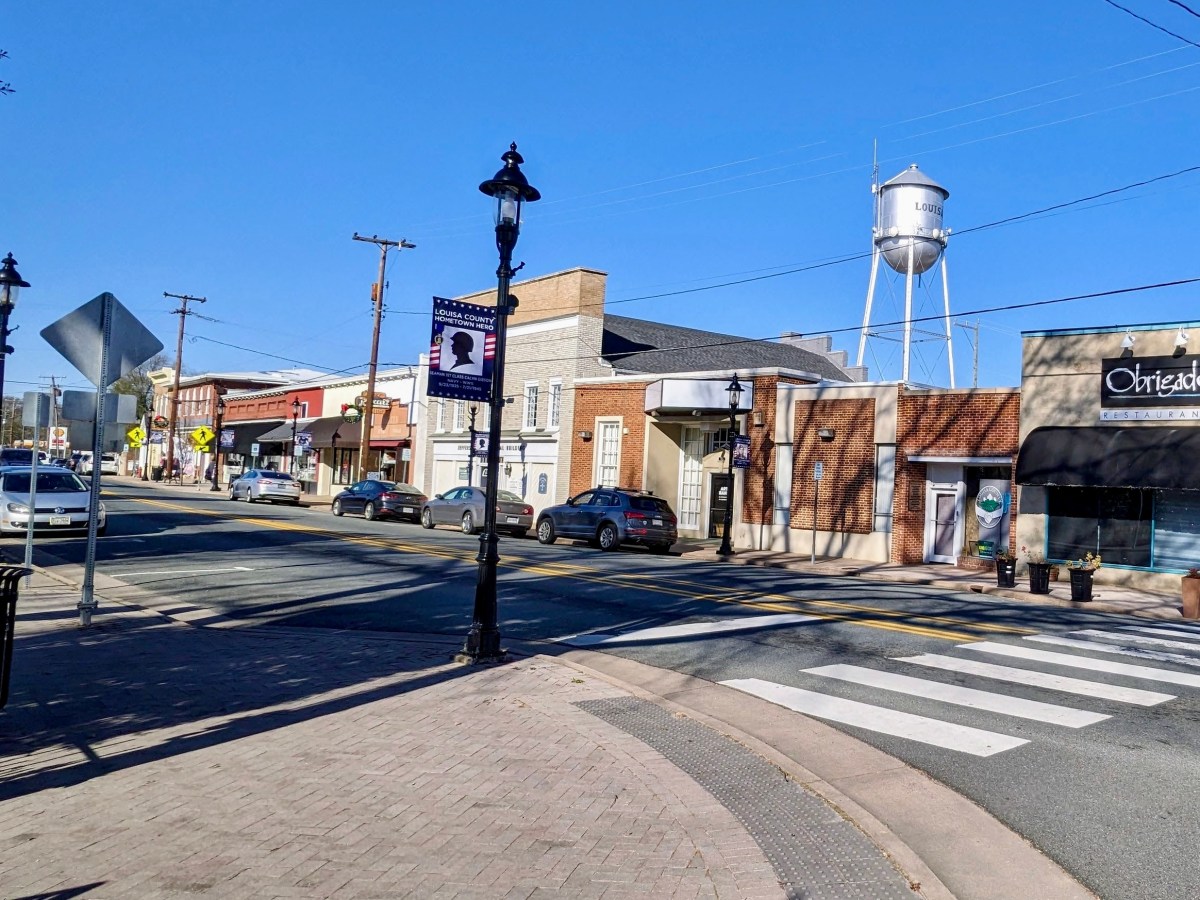
The Town of Louisa faced five resignations in less than a year. Now it’s trying to rebuild
During staffing shortages and months without meeting minutes, residents felt left in the dark. The town is trying to improve its communication.
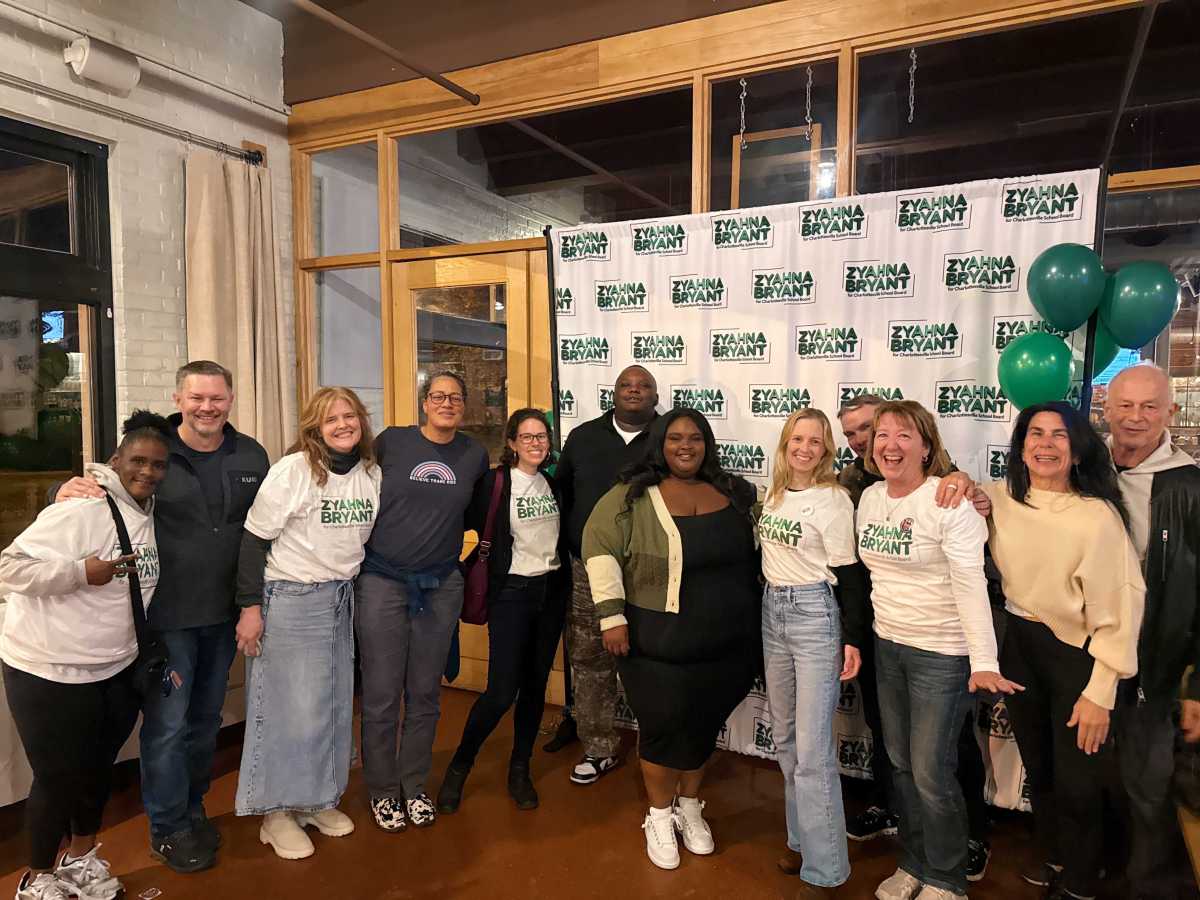
Longtime activist, first-time Charlottesville City School Board member Zyahna Bryant wants to elevate youth voices
“I believe that the community is ready for something new, and so that just makes me so excited to be on the cusp of that and to see a new wave of leadership,” Bryant told Charlottesville Tomorrow.

Q&A with two candidates, Juandiego Wade and Jen Fleisher, running unopposed for two seats on the Charlottesville City Council
Fleisher and Wade won the Democratic primary for the Council race, beating out Councilor Brian Pinkston.