

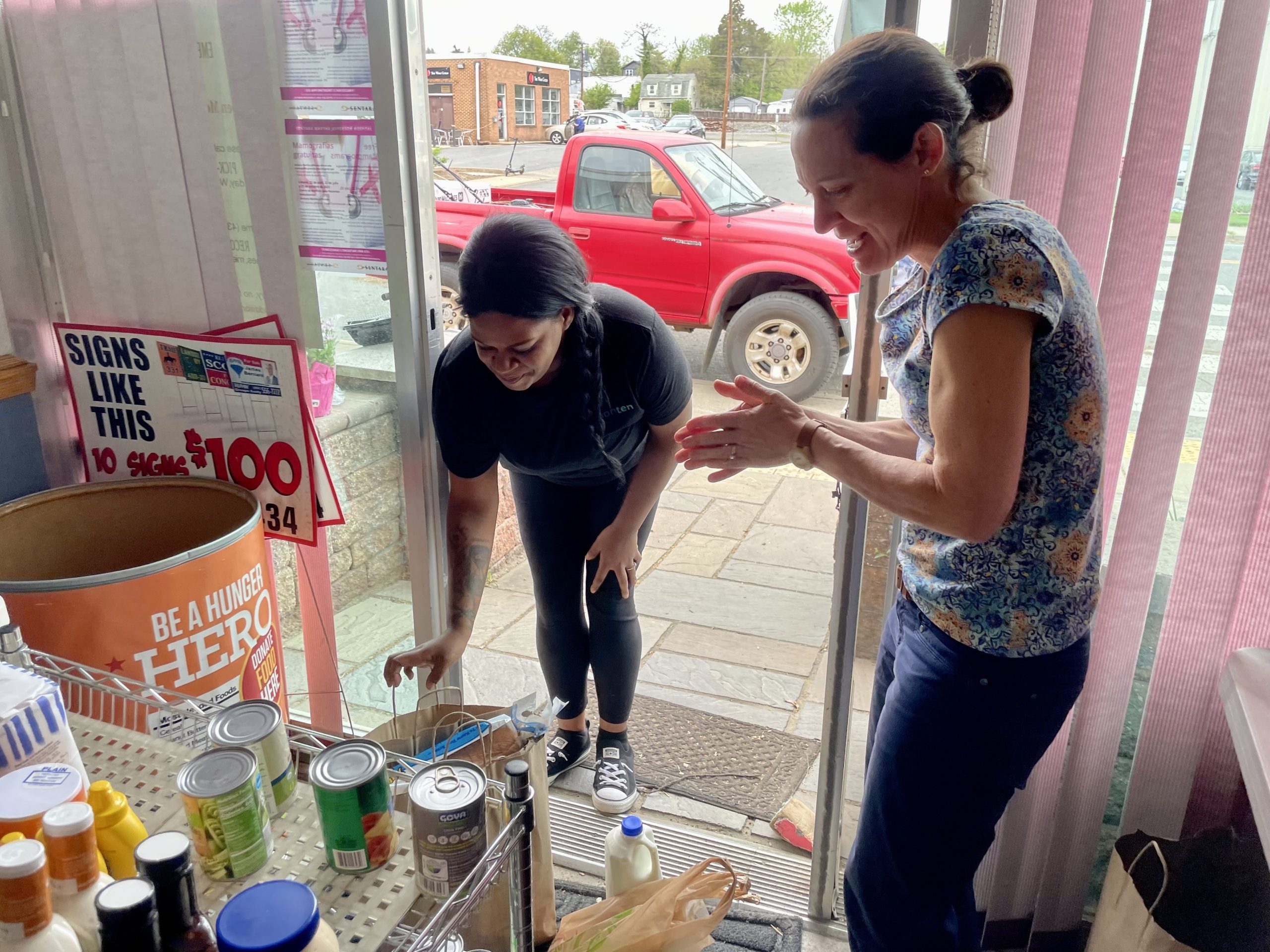
With the looming changes to the federal Supplemental Nutrition Assistance Program, known as SNAP, local food banks and pantries are worried about how worsening food insecurity in the area will unfold — and how they will be able to meet the surge in demand.
On July 4, President Donald Trump signed a sweeping bill into law, changing who is eligible to receive food assistance as part of a federal attempt to fund the administration’s priorities.
As a result, almost 447,000 Virginians are estimated to lose some or all of their SNAP benefits, according to Virginia’s Voice for Children, an independent, multi-issue child policy and advocacy organization. This number includes 73,000 families with children whose monthly benefits are likely to be reduced by an average of $78.30.
This comes on top of an existing crisis in the state. According to a 2024 poll by No Kid Hungry, a nonprofit organization based in Washington, D.C., 78% of Virginians reported difficulty affording groceries, while 42% reported at least one sign of food insecurity. More than 800,000 Virginians rely on SNAP, according to the Blue Ridge Area Food Bank.
And while recipients haven’t lost their benefits yet — Virginia has not specified how it will implement the more immediate changes in the bill, such as expanded work requirements and restrictions on which immigration statuses are eligible for assistance — there is already concern about a rise in food insecurity.
Local food pantries and the Blue Ridge Area Food Bank (BRAFB), which supplies them with food, have seen demand steadily rise in recent years due to the increasing cost of living.

“What it looks like now is that it’s worse than it has been. Ever,” said Les Sinclair, communications manager for BRAFB, in late July. BRAFB distributes food in the Eastern Virginia Region, which includes Charlottesville as well as Albemarle, Orange, Buckingham, Fluvanna, Madison, Culpeper and Greene counties through 93 partnerships with food pantries and distribution programs.
BRAFB now serves an average of 172,000 guest visits per month through partner agencies and programs, Sinclair said. That’s a significant increase compared with pre-pandemic levels, and the organization served fewer than 170,000 people per month at its peak during the health crisis.
Last October marked a historic high, with more than 190,000 guest visits — the most in the organization’s 43-year history.
“We’re witnessing that it has a lot to do with inflation. The rising cost of living in general — the cost of housing, childcare, healthcare, and food — have all gone up and continue climbing. That is driving more people who are already living on the edge to seek food assistance from the Food Bank and its partners,” said Sinclair.
According to a December 2024 report from Republicans on the U.S. Congress Joint Economic Committee (JEC), an average Virginia household is paying $1,192 more per month to purchase the same goods and services it did in January 2021.
Jane Colony Mills, executive director at Loaves & Fishes Food Pantry in Charlottesville, has seen the need reflect this trend.
“The growth has been huge,” she said about inflation driving people to the pantry in recent years. Between 2022 and 2024, they saw a 92% increase in demand, and the numbers keep climbing.

“In 2024, we served an average of 10,000 individuals a month, and now we’ve passed 12,000 already this year. It’s stunning how great the need has gotten, but we’re working to continue meeting it,” she said.
Loaves & Fishes food pantry provides a week’s worth of free, healthy groceries up to twice a month, which people use to supplement their SNAP benefits. The average monthly SNAP benefit per household is $232, according to VirginiaNavigator. The pantry doesn’t just help people get food they otherwise couldn’t — it also allows them to save on food costs and free up money for other growing bills, Mills said.
“The money they would spend on food by coming here at least one week out of the month, they can put toward something else — maybe their housing, maybe their car, maybe their healthcare and so on,” she said. “We’re happy to help people make ends meet, whatever form it takes.”
In the Charlottesville area, such help can be essential, Sinclair believes.
“It just costs a lot to live here,” he said.
The minimum wage in Virginia is $12.41 per hour, and, according to the MIT Living Wage Calculator, the estimated living wage for a single adult with no children in Charlottesville is $23.99 per hour. With one adult and one child, it climbs to $41.75 per hour.
With costs rising, more people have needed extra help to put food on the table. Even a little bit of help can make a difference for some people experiencing food insecurity.
Sinclair told a story of a retired woman in Charlottesville who he spoke with previously. She used to receive $23 per month in SNAP benefits — the minimum amount in Virginia — and then lost it for an unspecified reason. But while she had it, it made a big difference.
“She said it helped. It helped a lot,” said Sinclair. “She was telling me that you could buy a loaf of bread, a pack of meat and some vegetables, and those are the expensive things in the grocery store. So she was able to buy some really good food with the $23 that she had. ‘And so when that went away,’ I asked her, ‘what happened when you lost your SNAP?’ And she said, ‘I come here to a food pantry.'”
On top of increased need, BRAFB also lost some food donations earlier this year when the U.S. Department of Agriculture (USDA) cut the Local Food Purchase Assistance (LFPA) program. The program provided funding to food banks, schools, tribes, and other organizations to buy locally sourced foods to strengthen food systems, support farmers, and provide nutritious food to communities.
As a result of the cut in federal support, BRAFB lost 360,000 pounds of LFPA food, Sinclair said.
“That’s approximately 300,000 meals’ worth of product. This product is difficult to replace because of its produce and protein, which are expensive to purchase on the open market,” he wrote in an email.
Despite this setback, Sinclair remains largely optimistic that BRAFB will be able to supply local pantries with enough food to meet demand. His greater concern is whether pantries will have enough volunteers to serve the growing population seeking support.
“We’ve got less volunteerism going on in the country,” he said. “That’s a real challenge, because we’re run by volunteers. And when the volunteers are aging, they’re less able to lift the heavy poundage that comes through.”
Sinclair encouraged anyone who can to help — through food or financial donations, volunteering, or other forms of community support. And those who need food should feel free to turn to local food pantries for assistance.
“We think that if you need food, you should come get it,” he said. “And I think it’s also important for people to know that if you come to the food bank or the food pantry, you are not taking food from someone else.”