
At the end of a more than four-hour meeting Tuesday night, Charlottesville City Council decided to indefinitely table a proposed ordinance introduced by Charlottesville Police Chief Michael Kochis.
The ordinance would have banned sleeping, camping, and storing any belongings in public areas. (Read the full text of the proposed ordinance here.)
The reason for proposing the ordinance, Kochis wrote in his policy briefing summary on the ordinance, was “a marked increase in quality of life complaints around locations where unhoused community members are residing.”
Violation of the ordinance would be considered a Class 4 misdemeanor, and would be punishable by a fine. But it was unclear from the text of the ordinance, the policy briefing summary, or the proposed City of Charlottesville Homeless Encampment Response Protocol how much that fine would be, or what would happen if someone could not pay that fine.

If you’re new to this issue, read this newsletter to catch up.
Community members turned out in droves to oppose the ordinance, filling the City Council chambers and standing in the hallway. Dozens of community members spoke against the ordinance, calling it “cruel,” “inhumane,” “draconian,” and “criminal,” among other things. Just one speaker, a representative of Friends of Charlottesville Downtown speaking on behalf of some downtown business owners, supported the ordinance.
By tabling the ordinance, the Council does not have to put it on its next meeting agenda and does not have to set a date for a second hearing, City Attorney John Maddux told the Council during the meeting. However, someone could still bring the ordinance back before the Council in the future.
Typically, an ordinance must have two public readings — and therefore two opportunities for public comment — before the Council will vote on it. An exception is if four out of five Councilors vote to take a vote on it after the first reading. If this particular ordinance is raised again, either as Kochis presented it or in some other form, it would need to be brought in as a first reading, and the process would begin over again.
While we can’t cover every story that’s important to you, we do our best to be responsive to your needs. We use tips from readers to choose which stories to cover, to incorporate information into broader reports or to help us decide how to grow Charlottesville Tomorrow. Here’s where you can tell us what you think we should be covering.
More on housing and shelters in the Charlottesville area
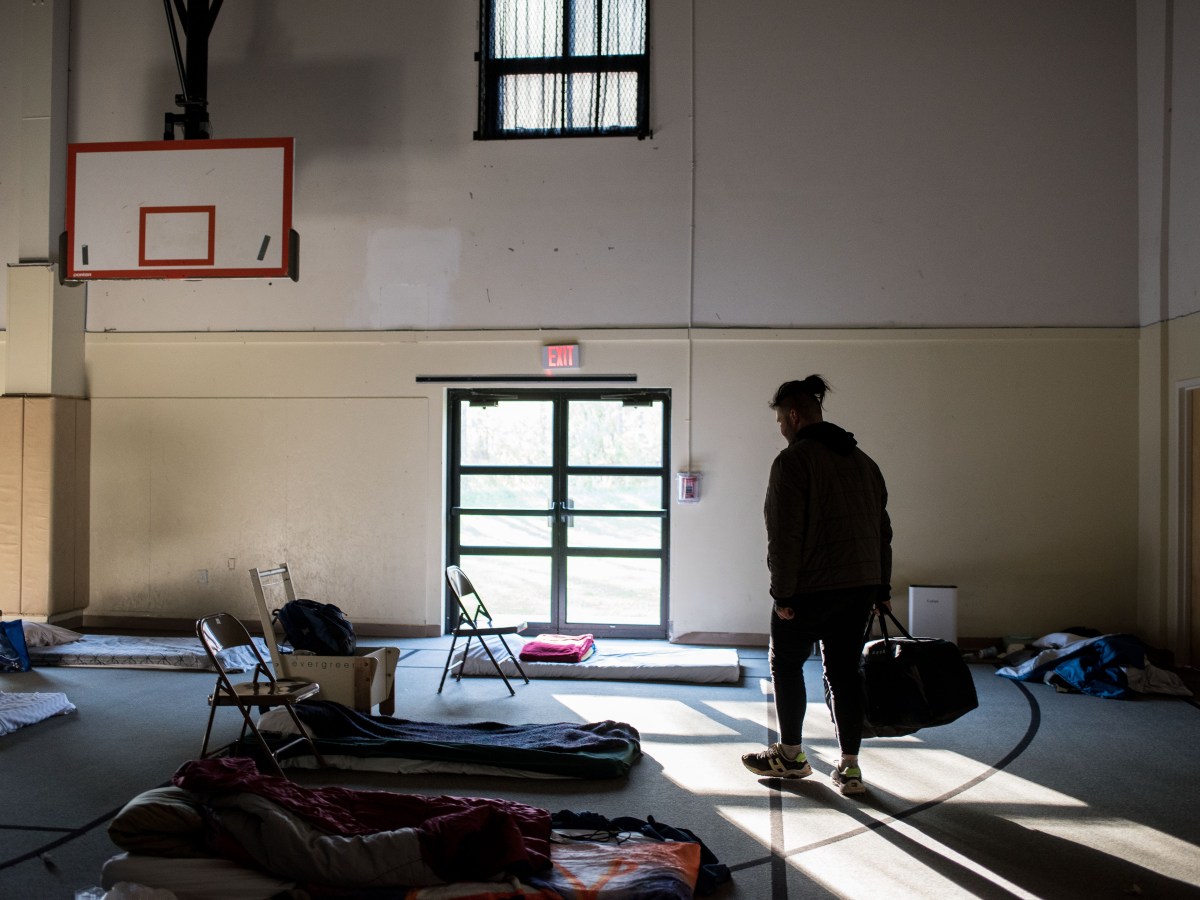
Unhoused population in Charlottesville area keeps growing, despite efforts from city and nonprofits
During a City Council meeting, local agencies also answered questions about who is unhoused here and why.


Charlottesville’s city manager tells Fifeville residents that his proposed low-barrier shelter might not move forward unless another agency volunteers to run it
Despite offering a space on Cherry Avenue, The Salvation Army’s national regulations prevent it from operating a true low-barrier shelter.

As the city debates funding a low-barrier homeless shelter, one expert says there are ways to make it safer for everyone
Mary Frances Kenion of the National Alliance to End Homelessness discusses best practices for opening a low-barrier shelter.
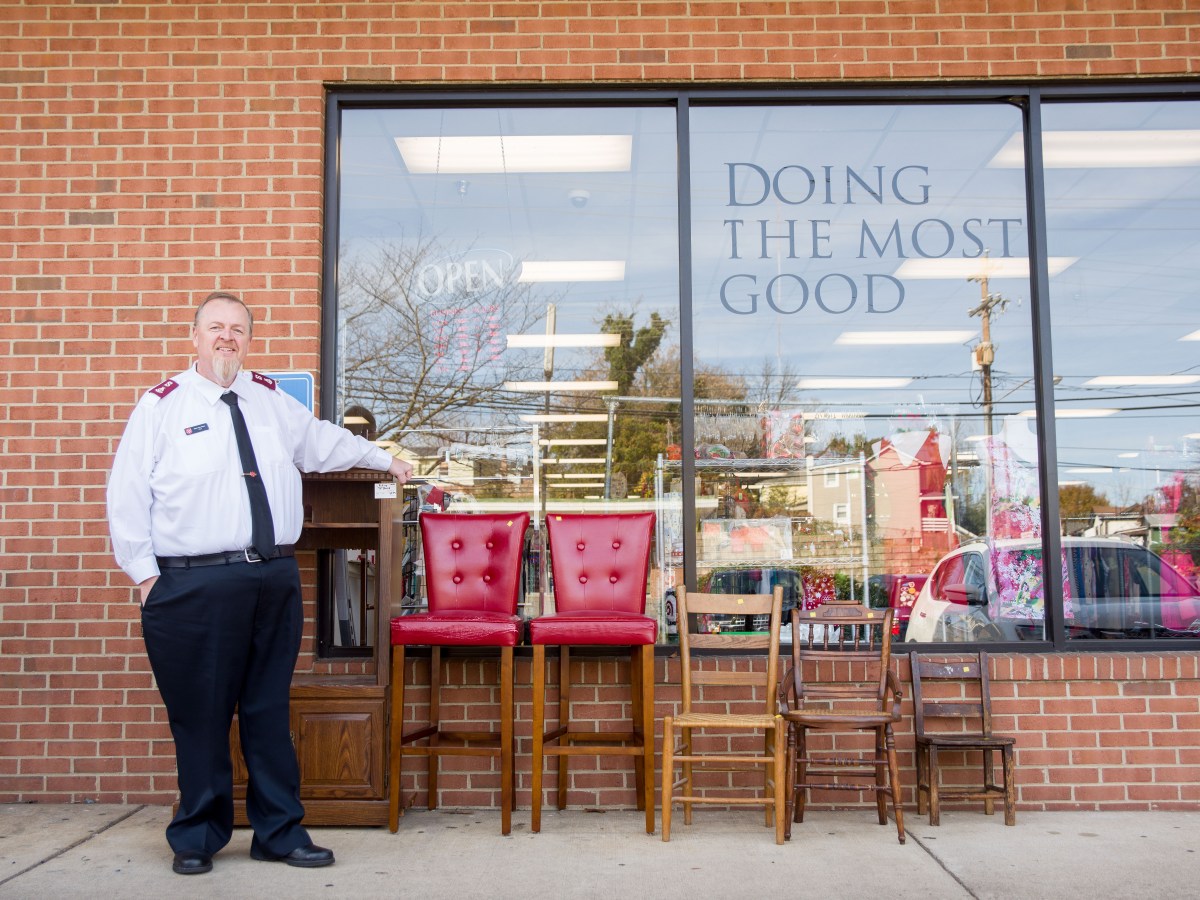
A year after Charlottesville City Manager’s ‘homeless intervention strategy,’ a bold plan to assist area’s growing unhoused population unfolds
If the Council approves the recommendation, the community eventually could have an overnight low-barrier shelter, transitional housing and more services.

As chronic homelessness rises in the Charlottesville area, one type of housing that can help has been delayed because of rising construction costs
Rising construction costs have meant Virginia Supportive Housing has had to find more funding, and likely won’t be able to allow people to move into Premier Circle for two years.
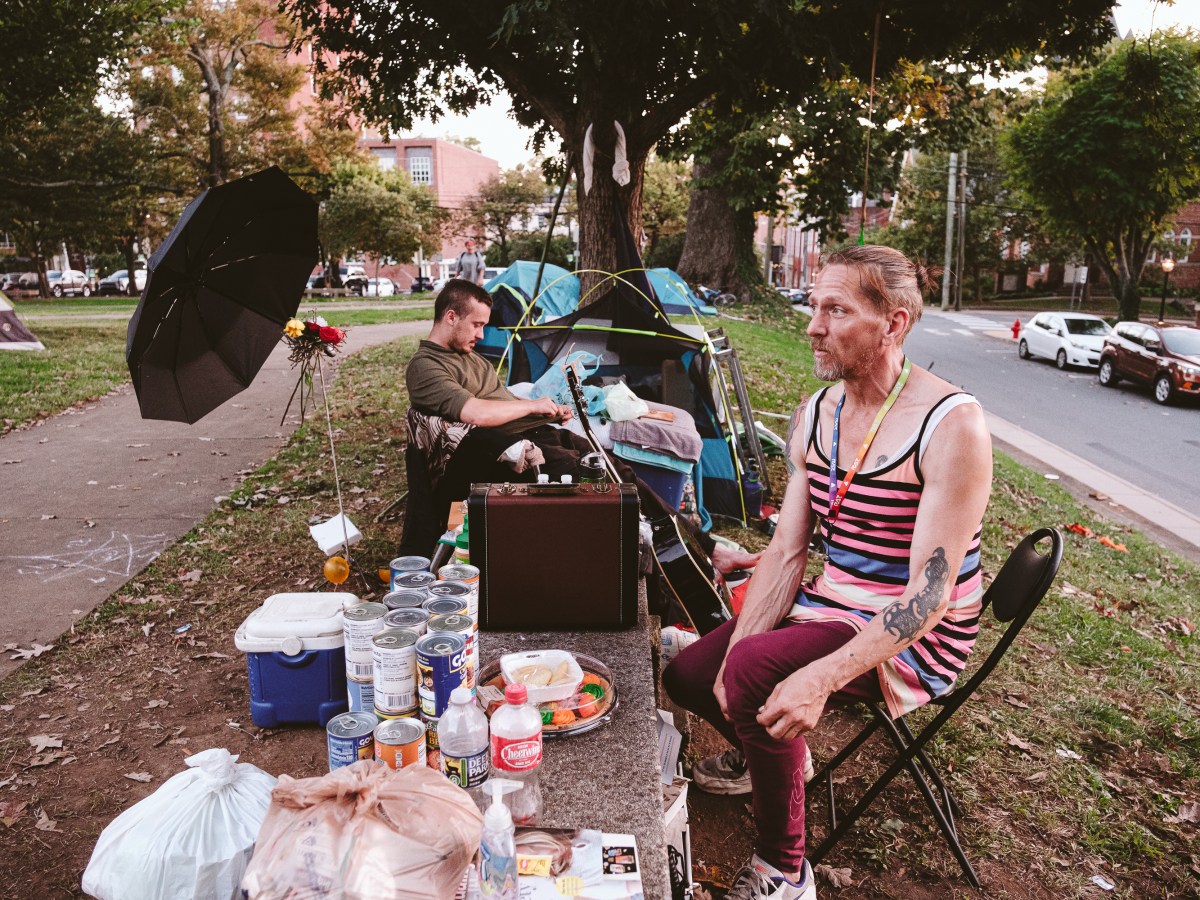
Charlottesville had — and lost — a shelter that social workers say could have helped hundreds of unhoused people off the streets
Had the shelter continued, its homeless service workers are convinced they could move hundreds more people off the streets, including many of those now camped downtown.
More local News

Q&A for U.S. Senate shows Virginia’s Warner and Mizusawa agree data centers are a problem, but they’d fix it differently
The candidates also split sharply on housing, health care and immigration, offering few areas of common ground beyond shared unease over data centers.

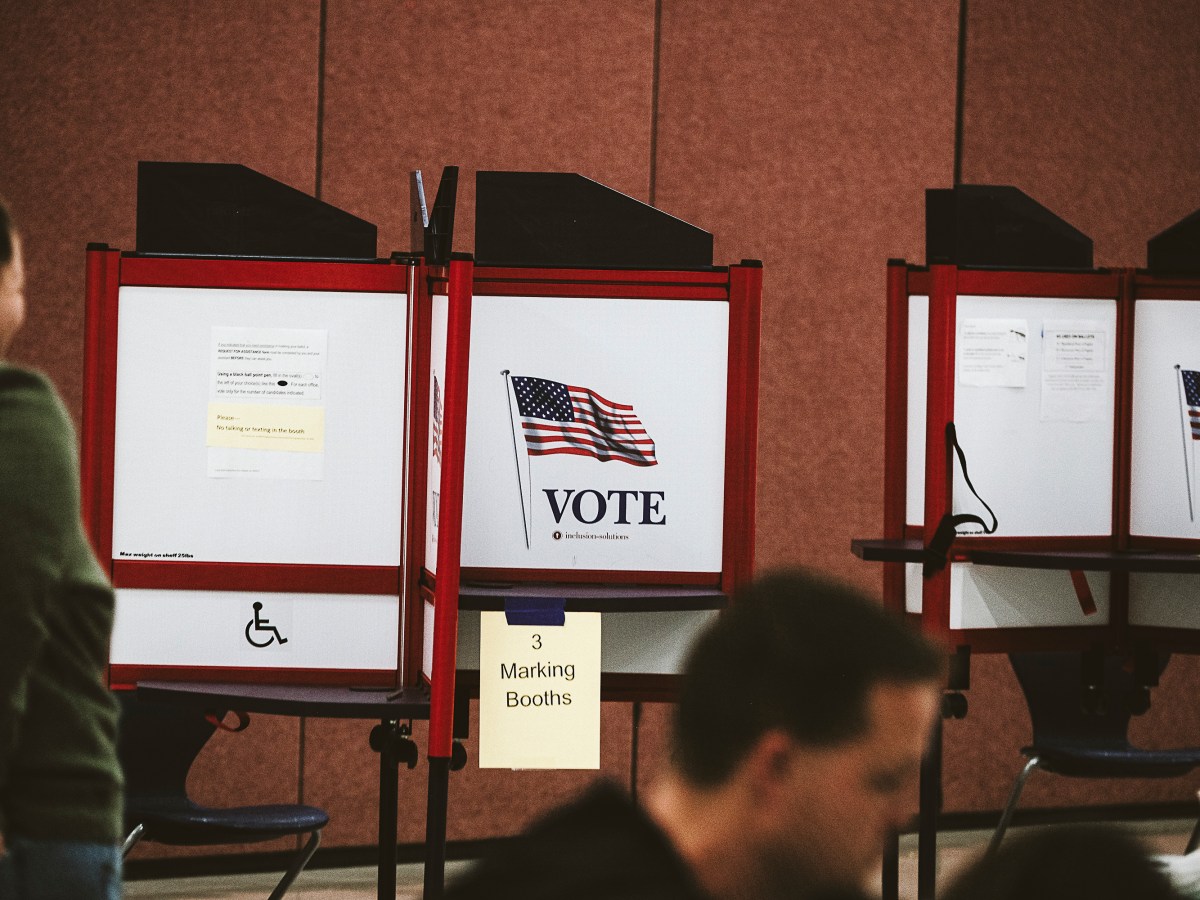
Learn about the ballot referendum on automatically restoring voting rights to formerly incarcerated people
The loss of voting rights due to felony convictions disproportionately affects Black Virginians, according to research from the Sentencing Project.


Here’s what the ballot referendum on same-sex marriage means for Virginians
The referendum would reverse a 2006 amendment that banned same-sex marriages in the state, which the courts said was unconstitutional.
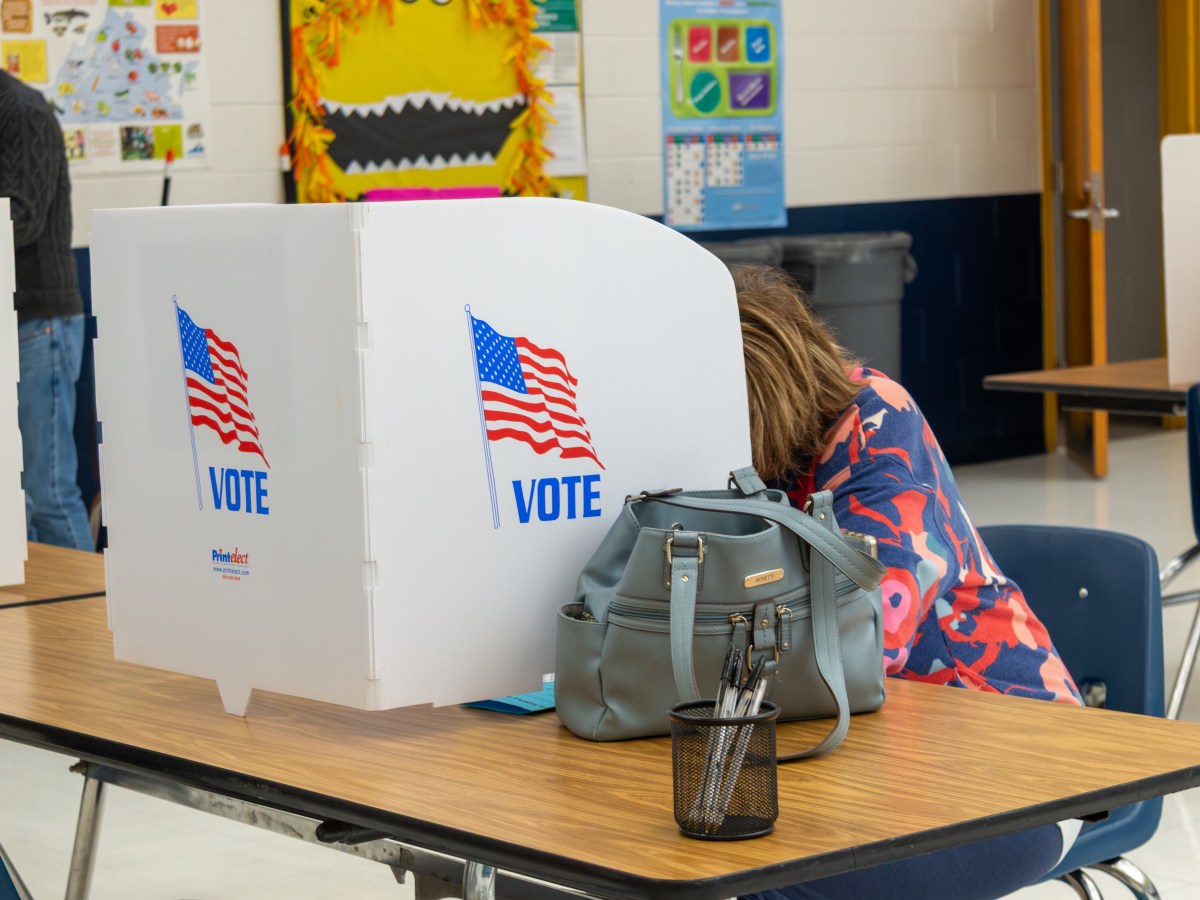
The reproductive freedom question on your ballot explained
Virginia voters will decide whether to change what the state constitution says about reproductive health, including birth control, prenatal care, abortion and miscarriage management.

Learn about alternatives to the prison system at a free community summit
The two-day event will bring community members together to explore restorative justice, re-entry and tools to build safer communities outside of the prison system.