

Editors’ note: This article was updated on June 16,2025, to include responses from Juandiego Wade.
Two incumbents and one newcomer are running for the Democratic nominations for two available seats on Charlottesville’s City Council.
This year, there are two at-large seats available and three candidates certified by the Virginia Department of Elections. Incumbents Brian Pinkston and Juandiego Wade are seeking re-election, challenged by newcomer Jen Fleisher.
The two winners of the primary election will go on to run in the fall general election.
Charlottesville City Council members serve four-year terms and are in charge of appointing city management and members of boards and commissions. They maintain public records and make policies about the city’s operations.
Charlottesville Tomorrow designed a questionnaire based on roughly 50 responses we received to a voter survey. (There’s still time to respond to the survey, if you wish to ask questions of candidates running in this fall’s general election.) Pinkston and Fleisher returned the answers. Wade is out of the country and was unable to respond in time for publication. We have published the responses in the order we received them.
Housing affordability remains a top concern to many Charlottesville residents who responded to Charlottesville Tomorrow’s voter surveys. City Council has taken several steps over the past few years to address housing affordability, by investing in affordable housing projects and passing an historic new zoning ordinance that dramatically increased the density of the housing that property owners are allowed to build within the city. Do you think these measures will help with affordability overall? Are there policies or investments would you support to address housing affordability if you are elected this fall?
Brian Pinkston: Yes, affordability in general is a huge problem. We’ve done a lot on housing; we need to do more. We need to fully operationalize the Zoning Ordinance, tailoring it to work with developers — to include perhaps tax abatement options. Also, there are some large developments coming online soon — VERVE, Blume, and 2nd year University of Virginia student housing. I am optimistic they will move the needle to lower costs. Finally, we need to continue to engage Charlottesville Regional Housing Authority, Public Housing Authority, and other partners, as well as support eviction prevention efforts. Lots to do.
Editor’s note: VERVE is a 12-story, 468-unit apartment complex under construction near the intersection of Stadium Road and Jefferson Park Avenue. Blume on Ivy is a 10-story, 231-unit complex under construction on Ivy Road, near the University of Virginia.
Jen Fleisher: Yes — the zoning reform is one step toward improving affordability overall. Allowing more housing citywide, especially near transit and major employers, can help meet high demand. But we need a wide range of strategies for affordable housing. We should fully fund Inclusionary Zoning, streamline the approvals process, and expand both subsidized and market-rate housing so people of all incomes and life stages can live here. As part of a regional housing market, Charlottesville should lead by example and call on UVA to fully and quickly meet its affordable and student-housing construction commitments. We also need strong support for residents facing housing instability, including shelters and permanent supportive housing.
Editor’s note: Inclusionary zoning is part of Charlottesville’s zoning ordinance. It is a public policy that incentivizes developers to build housing affordable to people who earn less than the area median income.
Juandiego Wade: Yes, I do believe that these measures that I supported as mayor and vice mayor will have a positive impact on affordable housing. It will take time for the impact of the historic zoning ordinance to be evident, but I believe its impacts will be generational. I will also continue to support the $10 million annual commitment to affordable housing the Council is committed to. These funds assist in funding other efforts such as rental assistance, Piedmont Housing Alliance, Habitat for Humanity, PHAR [Public Housing Association of Residents] and Charlottesville Housing Redevelopment Authority. It will take “village” to keep Charlottesville affordable.
What changes, if any, would you like to see to Charlottesville’s transportation system?
Pinkston: I support doing whatever it takes to get Charlottesville Area Transit wait times down to 30 minutes or less — including hiring the drivers / support staff to make that happen. Momentum is building for that, and I expect real progress soon. We’re also doing a great deal around bicycling, sidewalks, cross walks, traffic lights, traffic management, and so on. Again, momentum is building, and significant progress is imminent. We now have both the funding and the staffing to get stuff done.
Fleisher: Safe, clean, and reliable transportation is essential to our community’s health. We need more frequent and accessible transit services so residents of all ages and abilities can get where they need to go. I’ll work to strengthen the Charlottesville-Albemarle Regional Transit Authority, which is poised to create a more connected, regional transit network. At the same time, we must create safer streets for walkers, bikers, scooter riders, and wheelchair users. That means calming traffic, upgrading sidewalks and crosswalks, and expanding trails. Both immediate improvements and long-term infrastructure are necessary, and I’m committed to funding those investments.
Wade: As a former transportation planner that planned roads, bike lanes, sidewalks, and transit stops and expansion, I am very engaged in transit in our community. If reelected, I will continue to support the conversion of our transit system to clean fuel (BEB or hydrogen). I will continue to support construction of sidewalks and making the city more pedestrian friendly. I will also support the inclusion of bike lanes. We now have the staff and a plan to carry out our plans.
Editors’ note: A BEB, or “battery electric bus” is a bus that runs on electricity that is stored in batteries, which can be recharged. Buses can also run off of hydrogen fuel cells that generate electricity using hydrogen gas. Both are designed to reduce carbon emissions. Read more information about BEBs here from the Department of Transportation, and read more information about hydrogen-powered vehicles here from the Environmental Protection Agency.
As the Trump administration continues to make broad changes to the federal government, how do you think Charlottesville’s local government should respond?
Pinkston: I have personally been wrestling with this. Many voters — understandably — want us to push back more visibly. On the other hand, we should be wise about what that looks like — especially given our City’s history. What I will say is that we will continue to prioritize care for all of our residents — especially the most vulnerable. This is one reason why it’s good that we have a budget surplus (from FY 24): It is a hedge against possible reductions in federal grants. We will also remain true to our values — regardless of the acronyms those take.
Fleisher: Local government can’t control federal policy, but we can control how we show up for our residents. Charlottesville must remain a welcoming, safe place for all — including immigrants, LGBTQ+ residents, students, and others targeted by federal actions. Sometimes that means speaking out; other times, it means working in close coordination with partners to protect and support residents. We should also be prepared with surplus funds to respond to unexpected challenges and strengthen coordination with local nonprofits, who are losing critical funding while doing essential frontline work. We should do everything in our power to keep residents’ dignity, safety, and human rights at the center of our decision-making.
Wade: Charlottesville needs to be prepared for an uncertain financial future. We can only control what we can. Our current financial standing is very strong. We will continue being responsible. I think this is the most responsible measure we can take as a local government.
How do you think Charlottesville officials, agencies and spaces such as schools, churches and health care centers should interact with federal immigration enforcement? What, if anything, do you think City Council should do about the federal government’s immigration actions?
Pinkston: To be clear, the City’s official stance is that we do not participate in ICE [Immigration Customs and Enforcement] enforcement activities, and we do not report immigration status. Charlottesville Police Department is under guidance to request identification and lawful purpose from any putative federal agent. Beyond that, we will continue to work with community partners to help residents Know Their Rights under the law.
Fleisher: Our City shouldn’t be in the business of enforcing federal immigration policy. Our schools, clinics, churches, and public entities must remain trusted, safe places. City Council should be ready to act if new federal actions put our residents at risk. Council needs to build strong relationships with immigrant community groups and fund the local organizations that provide support, legal guidance, and advocacy for their safety and well-being.
Wade: I feel confident in speaking for the other Councilors in saying that we will not support any federal immigration staff/action that does not have proper credentials and uniform. City Council has no jurisdiction over federal immigration, but we will do all we can to protect our residents.
Charlottesville’s real estate tax is $0.98 per $100 of assessed value and, with property values increasing, homeowners’ bills are going up each year. Charlottesville also assesses a personal property tax of $4.40 per $100 of property. There is a meals tax of 7%, among other taxes listed by the Commissioner of Revenue. If you are elected, what would you do to change or maintain existing City taxes?
Pinkston: It is important to underscore how few options local governments have to bring in revenue. And for every resident understandably concerned about taxes, there are at least two who think the City needs to “do more” about a whole range of issues — which obviously requires money. All this is exacerbated by the inequalities in our community: Charlottesville is a destination of choice along the Mid-Atlantic. Wealthier residents can manage taxes OK on properties that continue to increase in value. But this is pricing out other, less wealthy residents — including renters to whom taxes get passed on. We are using an “all-the-above” approach to attack our high cost of living: A new Zoning Ordinance to allow more housing supply, transportation options to reduce the need for vehicles, organizational improvements such that the City is more effective and responsive, and so on.
Fleisher: The City has made big investments recently: renovating Buford Middle School, completing the Belmont bridge, expanding affordable housing, raising wages for City workers, and improving our parks and sidewalks. Those projects add real value to our community. In the long term, we can help avoid future tax increases by growing the tax base — supporting small businesses, enabling more residents to live in the City, and urging UVA to contribute its fair share through a PILOT [Payment in Lieu of Taxes] agreement. We must also ensure that tax relief programs reach every eligible resident (older adults, low-income, and disabled residents, and veterans) — whether they own or rent — and keep working to prevent displacement.
Wade: I support the tax rates currently in place. I will consider changes as we discuss the next budget.
Are there any other critical issues facing the City of Charlottesville that you would like voters to know about?
Pinkston: We need to continue to support the Downtown Mall and local businesses more broadly. We need to address — in a more integrated and compassionate manner — unhoused residents. We need to build on recent, significant improvements in Organizational Excellence within the City — especially by supporting our City Manager and his deputies. And we need City Council to continue to function in a respectful, considerate, professional manner.
Fleisher: I work in public health, so I know health is more than just medical care. Our housing, jobs, transportation, and environment shape our well-being every day, and I want to ensure the City fosters healthy living for all its residents. That requires strong collaboration with surrounding localities and regional partners. Whether we’re addressing housing affordability, climate resilience, or access to services, coordinated action is key to our city’s success.
Wade: I believe that I am uniquely qualified to be on City Council. I have experience as a former School Board member for 16 years, transportation planner, mentor, and career counselor. I have served this community at all levels for the past 35 years. I love this community and humbly ask for your support for another four years.
More about the candidate and issues
- Candidates answered questions for Vote411
- Brian Pinkston’s campaign contributions from Virginia Public Access Project
- Jen Fleisher’s campaign contributions from Virginia Public Access Project
- Juandiego Wade’s campaign contributions from Virginia Public Access Project
- Charlottesville Council candidate Jen Fleisher wants to bridge health, mobility in policy (For subscribers to The Daily Progress)
- More comments from Pinkston during his 2021 campaign for Charlottesville City Council (Charlottesville Tomorrow)
- More on Wade and Pinkston’s 2021 win in the Democratic primary, and their alliance (Charlottesville Tomorrow)
- Wade and Pinkston commented on their 2023 search for an interim Council member and what it takes to serve (Charlottesville Tomorrow)
- 2021 Charlottesville City Council candidate Q&A featuring Pinkston and Wade (Charlottesville Tomorrow)
- 2021 profile of Juandiego Wade and his bid for City Council (Charlottesville Tomorrow)
- Juandiego Wade on In My Humble Opinion, discussing developers and affordable housing (via Charlottesville Tomorrow)

Here are key dates and deadlines in the 2025 elections
| Friday, May 2, 2025 | Early voting for primaries begins weekdays at local registrar’s offices. |
| Tuesday, May 27, 2025 | Deadline to register to vote or update an existing registration for the primary election. You can still vote in the primary if you miss this deadline by registering at the polling place and casting a provisional ballot. You do not have to be a member of a political party to vote in that party’s primary election. However, you can only vote in one party’s primary election each year. |
| Friday, June 6, 2025, 5:00 p.m. | Deadline to apply for your ballot to be mailed to you. Requests must be received by your local registrar’s offices by 5 p.m. |
| Friday, June 6, 2025, 5:00 p.m. | Deadline to apply online for an absentee ballot using the Citizen Portal. |
| Saturday, June 7, 2025 | Local voter registration offices open on Saturdays for early voting for primaries. |
| Saturday, June 14, 2025, 5:00 p.m. | Early voting for primaries ends at local registrar’s offices. |
| Tuesday, June 17, 2025 | Primary Election Day! |
| Friday, Sept. 19 to Saturday, Nov. 1, 2025 5:00 p.m. | Check with your local registrar’s office for early in-person voting. |
| Friday, Oct. 24, 2025, 5:00 p.m. | Deadline to apply with your local registrar’s office for a ballot to be mailed to you. |
| Tuesday, Nov. 4, 2025 | Election Day! |
We will update this list periodically as deadlines approach or we receive new information.
Register to vote, check your registration, find your polling places and apply to vote absentee at the Virginia Department of Elections here. Remember, even if you miss registration deadlines, you can register through Election Day and vote using a provisional ballot.
Need to know if you’re eligible to vote? Here are resources from the Virginia Department of Elections.

Subscribe for Voter Guide updates
Take a survey to help us continue to build this voter guide!
The latest from the 2025 Voter Guide
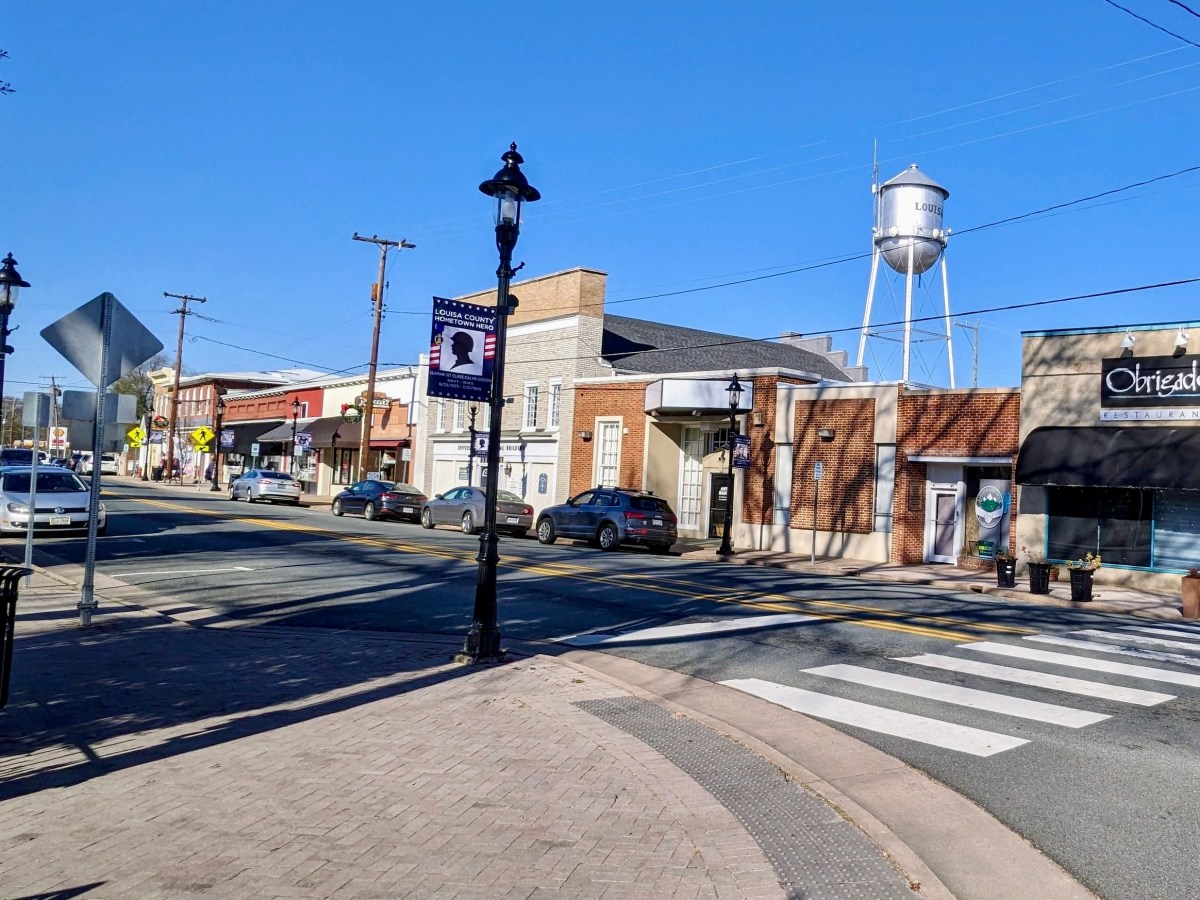
The Town of Louisa faced five resignations in less than a year. Now it’s trying to rebuild
During staffing shortages and months without meeting minutes, residents felt left in the dark. The town is trying to improve its communication.
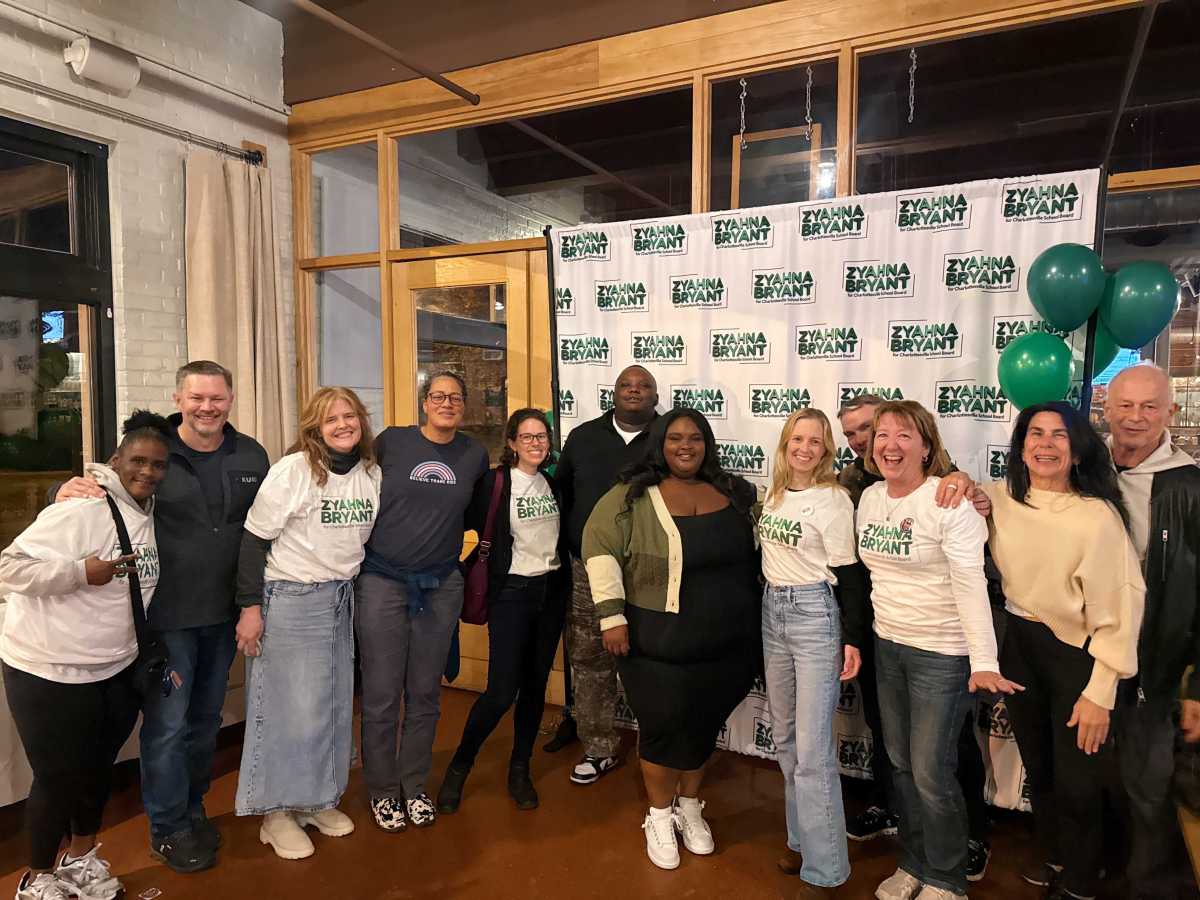
Longtime activist, first-time Charlottesville City School Board member Zyahna Bryant wants to elevate youth voices
“I believe that the community is ready for something new, and so that just makes me so excited to be on the cusp of that and to see a new wave of leadership,” Bryant told Charlottesville Tomorrow.

Matthew Kersey is being challenged by Ashley Michael for Louisa town mayor
Kersey was appointed mayor in July after both the elected mayor and his appointed replacement stepped down in quick succession.