


Right now, Charlottesville has no zoning ordinance.
During a 10-minute hearing for an ongoing lawsuit in Charlottesville Circuit Court on Monday, June 30, Judge Claude Worrell ruled that the city had to toss out its new zoning ordinance and revert back to the old rules.
But there’s a catch, City Manager Sam Sanders told Charlottesville Tomorrow in an email Wednesday afternoon.
“The old ordinance had to be repealed in order for the new one to be adopted,” Sanders wrote. “The void of the new one leaves us without one temporarily.”
That means there are few city laws governing how land can be used and what kinds of buildings can be built where, marking a significant change in how development works in Charlottesville.
It does not, however, mean that people can build whatever they want until a new zoning ordinance is enacted, Sanders wrote.
“The absence of a zoning ordinance doesn’t mean there are no rules at all. Other local and state laws still apply, including building codes, fire codes, and stormwater regulations.”
But without a zoning code, the city would lack the authority to “regulate a number of things important to the community, including which uses are allowed in certain parts of the city,” Sanders said.
The city recognizes that as a risk, Sanders added, and said that city staff “are evaluating all available legal options to limit the fallout.”
Without a zoning code, developers have far fewer hurdles to cross in order to build, said Justin Shimp, founder and principal at Shimp Engineering, a Charlottesville firm that works with dozens of developers on building projects.
“If there’s no ordinance, then we don’t even need site plans,” Shimp said. “You would simply say, I want to build an apartment building, and I would turn the building permit into the building department, and if it met the [state] building code, they would approve it, and you would build an apartment building. For example, there would be no restrictions on height or building size or number of units or anything — whatever met the building code, you could construct.”
In response to the situation, the city will not approve any building permit applications that “involve zoning.”
“We are carefully assessing how best to proceed in light of the recent court decision and are holding them in queue while we await further legal and procedural clarity,” Kellie Brown, director of Neighborhood Development Services, told Charlottesville Tomorrow in an email Thursday.
She added that the city will continue to accept and process applications that “do not involve zoning.”
State law does not outright prohibit this, but does say that all applications should be reviewed “within a reasonable time after filing.” It also says that any application that complies with the state code’s requirements should be issued permits “as soon as practicable.”
It’s unclear what all of this means for projects currently underway that were approved under the (now voided) ordinance, Sanders said in a statement on Wednesday.
“So I’m working on 20 projects right now of various sizes and scales,” Shimp said. “Right now, everybody is stuck waiting.”
Monday’s ruling came as a default judgement in a lawsuit filed by several Charlottesville residents alleging that the new ordinance was illegally passed. The plaintiffs won on a technicality after an outside firm representing the city missed a filing deadline.
Gentry Locke, the outside counsel that made the mistake, has “been engaged to remedy the impact of their critical lapse,” and the newly appointed City Attorney John Maddux will be taking over the case, the city’s statement said.
“This ruling creates a major disruption to the planning and zoning operations of the City government, but it is a situation that can be managed,” Schneider wrote.
Despite the debacle, the city appears undeterred — City Council still has the opportunity to enact a new ordinance, the statement says.
“Since this interruption was based not on the merits of the actual ordinance itself, we are confident the City Council will have the opportunity to ensure the bold zoning provisions will again be enacted to guide future development of the City,” Sanders added at the end of the statement.
“We have been considering actions on how to proceed with securing a zoning ordinance of the City that is unimpeachable on any front.”
Editor’s note: Charlottesville Neighborhood Development Services clarified on Thursday that the city will continue to accept and process building permit applications that “do not involve zoning.” Any application that “involves zoning” will be held “in queue” temporarily while they “await further legal and procedural clarity.”
While we can’t cover every story that’s important to you, we do our best to be responsive to your needs. We use tips from readers to choose which stories to cover, to incorporate information into broader reports or to help us decide how to grow Charlottesville Tomorrow. Here’s where you can tell us what you think we should be covering.
More about Charlottesville’s zoning ordinance
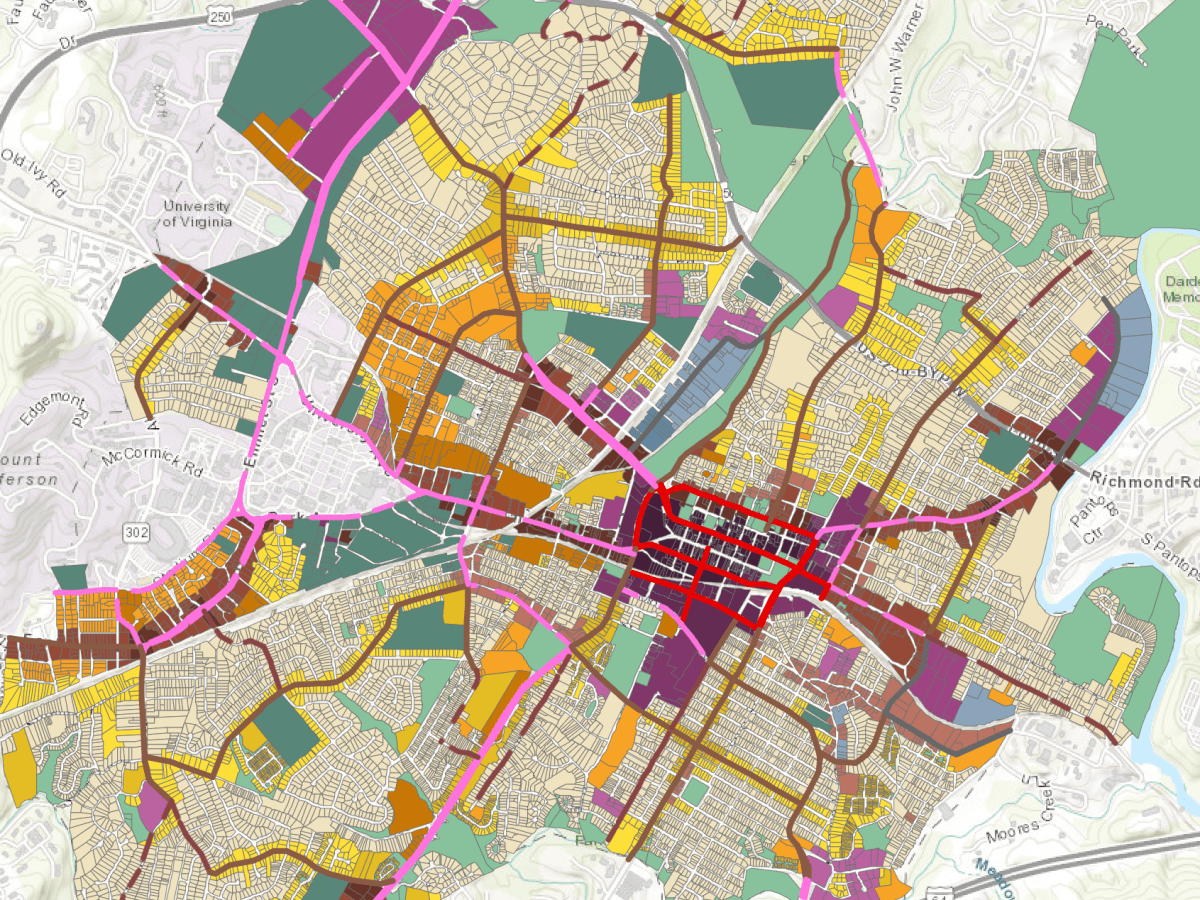
The City of Charlottesville has to toss out its new zoning law — because its outside attorney made a mistake in an ongoing lawsuit
“I think anger that the case couldn’t proceed to trial and substantive issues of land policy were determined by a missed deadline, is warranted,” City Councilor Michael Payne said, speaking for himself and not on behalf of Council.


In a scathing rebuttal, Charlottesville attorneys say plaintiffs ‘concocted technical faults’ in their lawsuit seeking to overthrow the new zoning ordinance
“The Plaintiffs already have that which they now seek to deny others — good, affordable housing in a desirable locality,” the city wrote. “To do so, the Plaintiffs, having lost at City Council and at the ballot box, seek a judicial veto of the City’s zoning ordinance changes.”

Nine Charlottesville residents have sued the city to stop it from implementing its new zoning ordinance
The lawsuit hinges on a rather specific argument: That the city provided only a portion of its comprehensive plan to the Virginia Department of Transportation when it was required to provide the whole thing.
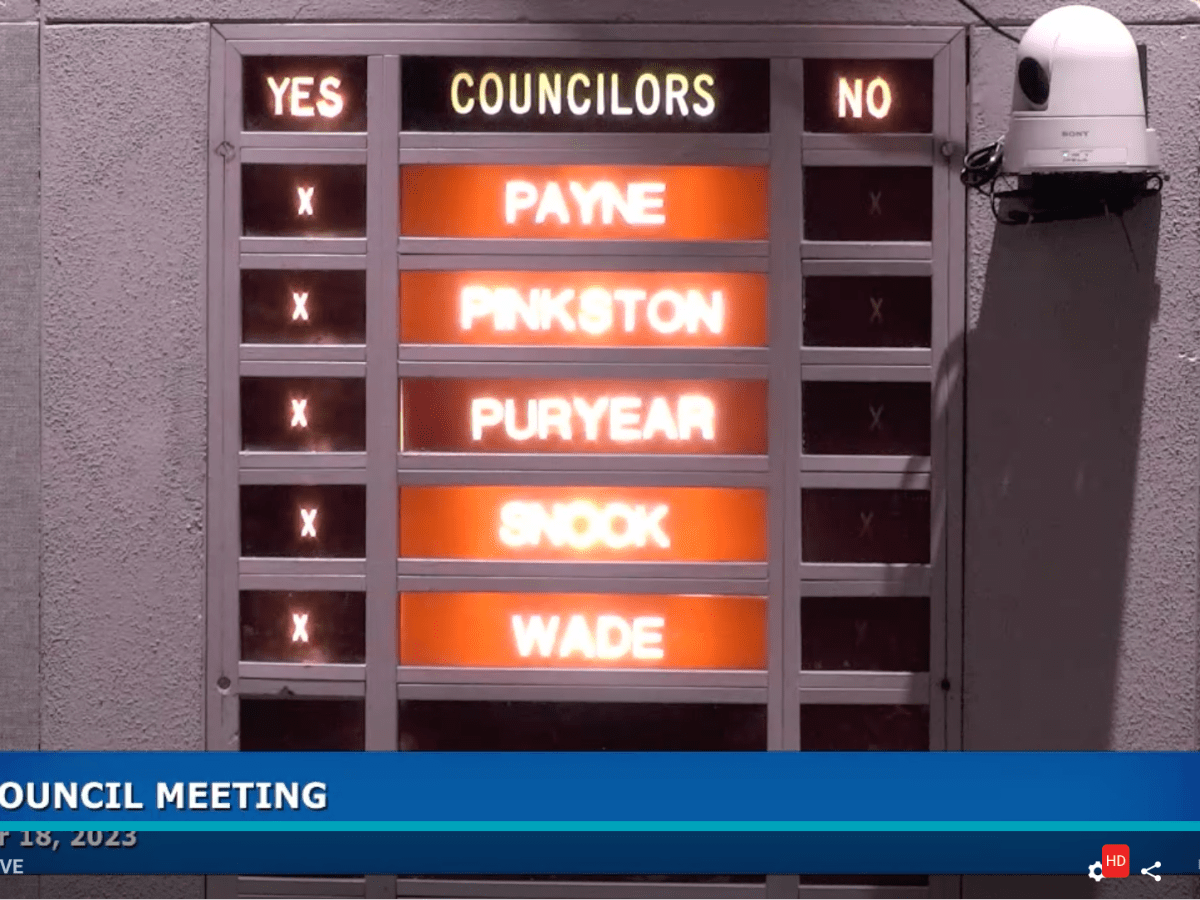
City Council approved a new zoning ordinance that re-envisions Charlottesville as a denser and more economically diverse city
Mayor Lloyd Snook said it will take a while, and a better transit system, to realize this new vision. “But we have to get started, and this is a good start.”
More local News
Gordonsville Town Council candidates agree EMS wait times must improve, diverge on how to tackle affordability challenges in Q&A
Nick Paxton said the town should make better use of services and resources it already has, and Mary “Cyd” Black says the town needs more affordable housing.


For 10th and Page residents, their history is at stake. For developers building student housing, it’s math
Charlottesville’s zoning code incentivizes developers to build student housing in downtown neighborhoods, with fewer opportunities for community input.
Can Scottsville grow without pricing out its own? Town Council candidates describe their visions in Q&A
Candidates also weigh in on traffic safety, lost pharmacy access and how to mitigate flood risk.
Gordonsville police chief likely participated in Ruckersville ICE arrests in June, records show
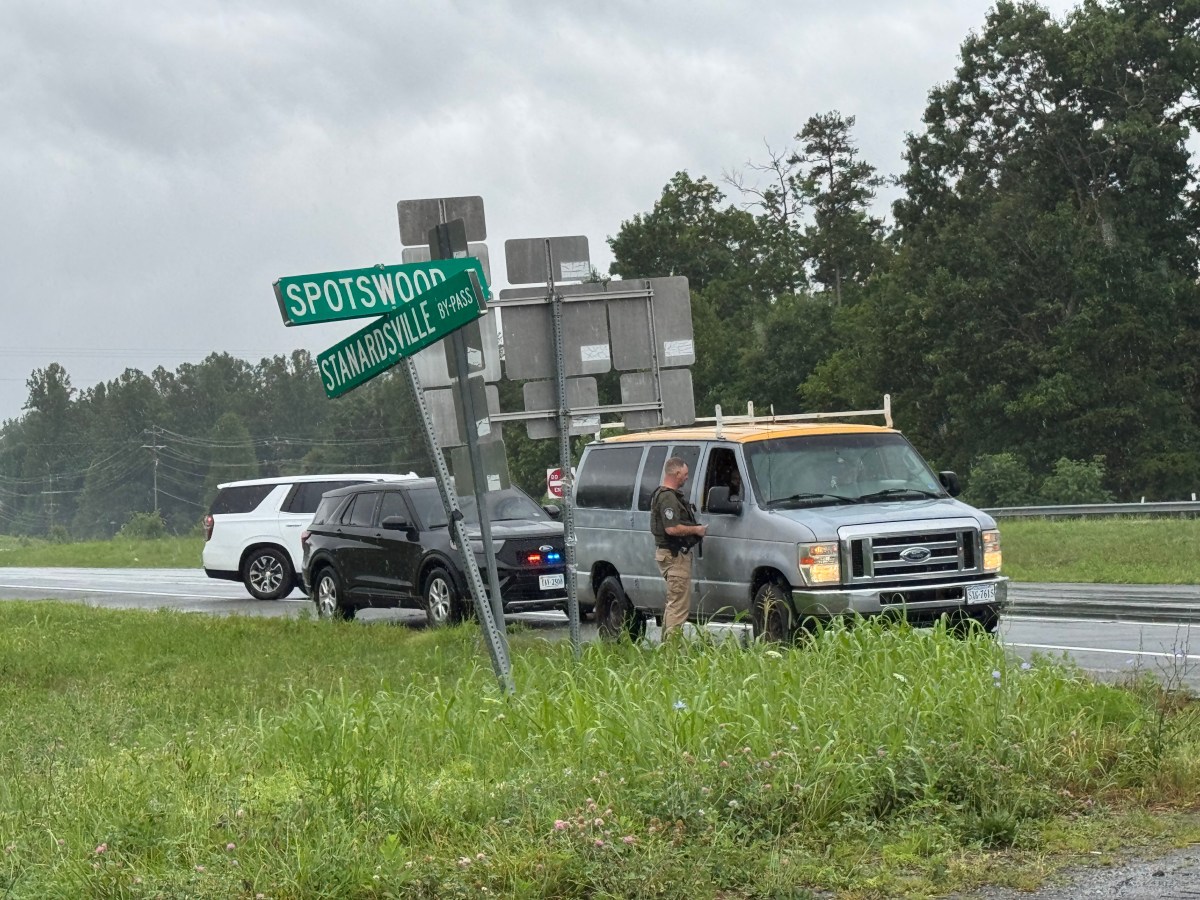
Despite calls for transparency, Chief Chris Votaw has refused to say whether he or his officers participated in a Greene County immigration operation that is under investigation by the state attorney general. Records suggest they did.


Major chains, Latin American grocers or a bigger farmer’s market? Orange Town Council candidates split on how to land a second grocery store
Candidates also offer diverging views on data center development, housing costs and public spaces in Q&A.