

I hope your holiday in-between week is going well. Here at the newsroom, we take this time to reset and get ready for the next year — planning, dreaming and catching up with family and friends.
One thing I’ll be doing between Christmas and New Year’s Day is spending time with our Product and Tech Lead Ashley Harper reviewing the year and sketching out plans for how we’re going to reach more people in central Virginia next year, to better engage with the diverse communities around us. Many of you took our audience survey this fall — thank you! — and we’ll be diving into the data and all of what you’ve told us in community meetings to make goals and priorities for next year.
For today’s Beyond the Headlines, I wanted to share some of that feedback, along with some of our most impactful reporting of the year. Here at Charlottesville Tomorrow, we see independent, free-to-access local news as a crucial part of healthy communities. And, so far, it sounds like many of you do too. I want to thank you for engaging with us all year, both when you appreciated our coverage, and when you had questions and feedback.
And if you have more ideas and feedback, let’s talk! We can have a coffee, you can visit the newsroom, or I’d love to see your space! Here’s where to sign up to meet in 2025.
Happy holidays!
Angilee Shah, CEO and Editor-in-Chief
Empowering residents in housing crisis
I’m highlighting two stories this year that helped many people make choices about how to help keep neighbors in Charlottesville and Albemarle County out of housing crises. You told us that both of these reports by Erin O’Hare, along with her consistent reporting on how our communities are developing, helped you better understand your neighbors — and in many cases, take action.
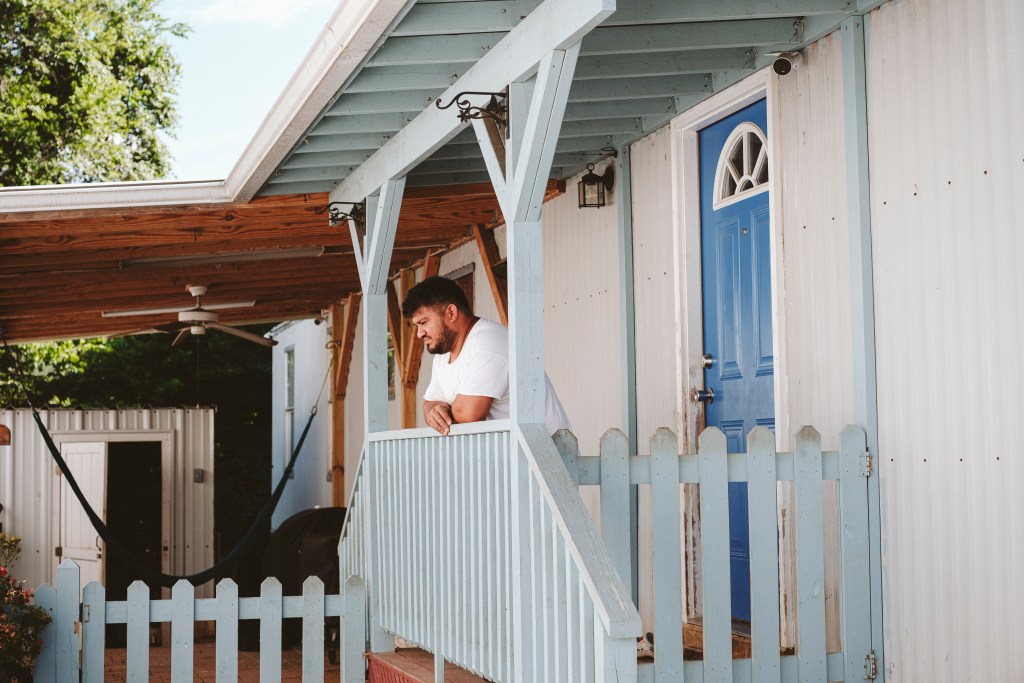
June 2024: Carlton Mobile Home Park residents fear losing their homes as news arrives that the park will be sold
This report about one of the last remaining mobile home parks in the area, known locally as “Hogwaller,” moved many of you. It was shared in several community newsletters, and in housing-focused publications around the country — one reader told us this story prompted her to contact local government agencies for the first time.
We got more emails and phone calls than we could quickly respond to; the messages expressed gratitude for the report and questions about what comes next. We don’t tell people what to think about the issues we cover, but we do try to share the perspectives of those most impacted. After we published this article, local groups organized to support the Carlton families, many of whom told us that they mobilized because of what they learned in the report. By August, Habitat for Humanity announced that they are buying Carlton Mobile Home Park for more than $7 million.
One Carlton resident wrote in to say, “I wanted to thank everyone for trying their best to stop the buying of the trailer park because we and others have nowhere else to go. We have been here for a long time and a lot of us no longer have families.”
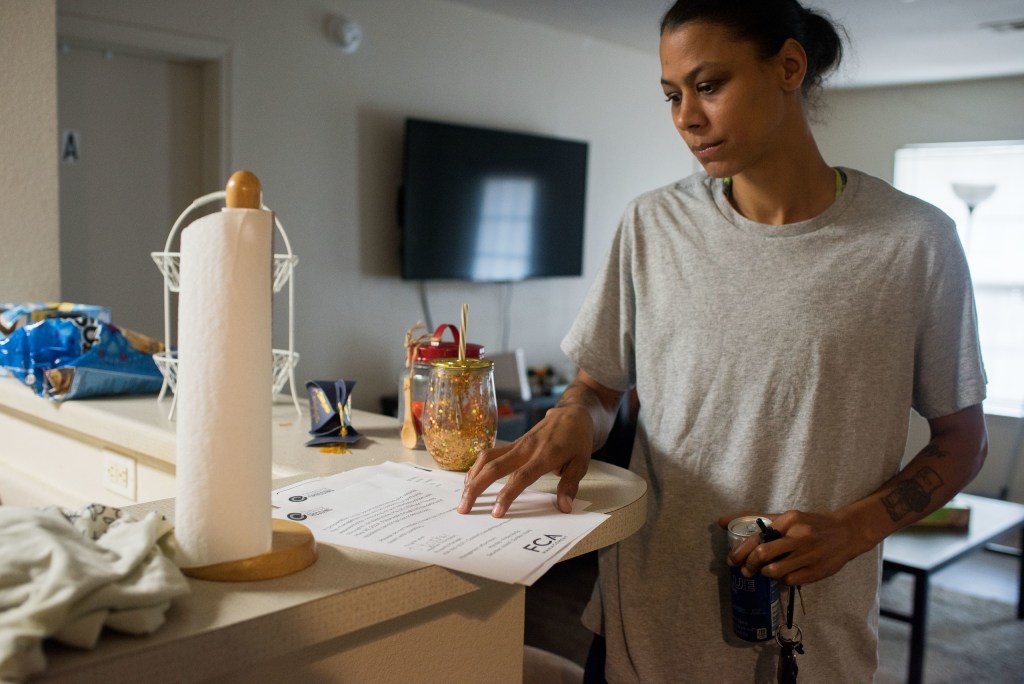
August 2024: Residents are being kicked out of one of the area’s most affordable apartment complexes to make way for luxury units
O’Hare’s reporting shows us what our neighbors’ lives are like, and how the struggle to find homes affects them. It presents many views — and the many hands it takes to develop housing — but does not advocate for any specific positions.
In this report over the summer, we again heard from many of you about how important it is to understand what it actually means to have housing insecurity. Because of this report on the purchase of Cavalier Crossing, one of the most affordable apartment complexes in the Charlottesville area, many people took action. One Albemarle County supervisor told us the report spurred him to action — to the tune of $170,000 of funding assistance to start.
One reader wrote to say, “The story not only conveyed important specifics surrounding the sale of Cavalier Crossing, it shared the true impact of the transaction on individuals and the community. Journalism like this is essential to a healthy community. Journalism like this is, unfortunately, exceedingly rare.”
Your voices take the lead
We’re so proud to be a founding partner in Charlottesville Inclusive Media, with Vinegar Hill Magazine and In My Humble Opinion. One reason we invest in this partnership is the strong belief that more people should be part of how we build the stories of our communities. To that end, one of our programs together is First Person Charlottesville. It’s a way for us to give community members’ lived experiences greater prominence — and this year, it’s produced two of the most impactful stories we’ve run at Charlottesville Tomorrow.

It was once his family’s farm — the largest Black-owned farm in Albemarle County — but now we all own part of it
Philip Cobbs’ story of his family farm not only affected many of you, it was also the most read story of the year.
Justin Reid wrote in a LinkedIn comment: “A poignant, beautifully written piece by my friend and paddlemate Philip, about the land and waterways of our ancestors — and hopefully of our descendants, too.” Another reader said the piece “brought tears to my eyes and a modicum of peace; it was beautifully written.” And another reader was the Albemarle County Chief of Parks Planning, who reached out to ask for Cobbs’ help in their development of the future Buck Island Creek Park.

Her downtown art exhibit was vandalized. Here’s why she’s keeping the damage
Local photographer Kori Price is someone who Charlottesville Tomorrow’s readers might be familiar with. We’re fortunate that many of her pictures grace our reporting and show the world what our communities here look like.
But the struggle over our visual storytelling is as real as the local struggle for racial justice itself. In this honest and courageous essay, Price describes and shows the world some of the ways she navigates that struggle. We got many messages about her story, including from other artists and exhibits who were inspired to think about how they handle vandalism.
One reader commented: “I’m so glad we went to see the installation today! I loved this article and thought this line was beautiful: ‘Instead of hiding the damage or having the banners reprinted, I chose to repair them… to both show where the damage occurred and that we, as a society, are capable of healing while acknowledging the harm that was done.’ The art installation is incredibly meaningful and beautiful, and I’m so glad the vandalism didn’t destroy the work or keep it from being seen, and that it instead added additional meaning and symbolism.”
We’re glad, too.
Our Sponsor