


As a reporter on the neighborhoods beat at Charlottesville Tomorrow, in an area experiencing a housing crisis, I talk to a lot of people who are struggling.
I often hear — from individuals and service providers alike — that it’s hard to know about everything that’s out there. What’s more, I hear that most folks who really need the help are working long hours and don’t have the time to do all the calling during business hours, all the emailing, all the deep research to figure out which resources are going to help.
I cannot tell you how often people ask me at the end of interviews or in emails and messages, “Do you know of anything that could help me?” I try to remember what I can off the top of my head, but that list is never complete. Every time, I wish I could direct them to a place that compiled all of the housing-related programs in our area.
That didn’t exist, so we made it.

It’s called the Housing Resources Guide (clever, I know), and it launches today.
The Guide compiles nearly 100 different resources for low- and moderate-income households in Charlottesville and Albemarle County. There are programs for renters, homeowners and people who want to become homeowners. There are programs for rent assistance, home repairs and energy efficiency upgrades. There are programs for families, for seniors and people with disabilities.
The tool we made allows you to search for resources or use dropdown menus to find out what you may be eligible for. Maybe you are between jobs and need help paying rent this month so that you don’t end up on the street. There’s a program for that. Maybe you inherited your home from a family member, retired recently, and are faced with a difficult decision: fix the hole in your roof or pay your increasing property taxes on time. There are ways to get help with both.
We won’t say there’s something for everyone, but there are many opportunities for assistance.
We hope it will be helpful for individuals, but also for social workers, case managers and other folks who work to help low- and moderate-income families and people in our community.
Subscribe to the Charlottesville Tomorrow newsletter to get an update when we publish a one-page print brochure with the basic information from the online tool in English, Spanish, Farsi/Dari and Arabic. We’ll print some out and leave them in various places around town, but we’ll also put them on our website so anyone can download and print one to share.
There are as many housing stories as there are people in this community. Reporting those stories is what we do at Charlottesville Tomorrow, but we’re also here to help the people most affected by the housing crisis understand what they can do. So we formed a team to create this guide.
Mike Parisi, a community member and Charlottesville Housing Advisory Committee member, did the majority of the research and helped with the writing. The Charlottesville Area Association of Realtors Foundation, led by founding executive director Dave Norris, helped give Mike resources to work on the project through its fellowship program. Ashley Harper, Charlottesville Tomorrow’s product and technology officer, created and designed the online tool and print brochure. Our editor-in-chief, Angilee Shah, provided guidance and an editorial eye.
Dozens of community members who work for the local governments and myriad other organizations that administer these programs helped us ensure that the information in the Guide is correct, and beta tested the tool. We are grateful for their collaboration.
The Housing Resources Guide was produced in line with Charlottesville Tomorrow’s editorial independence policy and will be updated and maintained by newsroom staff.
This project is nearly a year in the making, and it’s exciting to see it emerge into the world. Please check it out, and share with anyone who might find it useful. (And if you’d like to tell us how you use the guide, contact us here.)
We hope it helps.
Take Action
If you find the Housing Resources Guide useful, and want to see more local news that builds community, we can only do it together. This kind of detailed research, reporting and design takes newsroom capacity — and talented people! When you join with your recurring donation or one-time gift right now, you uplift our newsroom’s ability to share critical information and extend the reach of local resources to more people in our community. Join with your support for Charlottesville Tomorrow here.
While we can’t cover every story that’s important to you, we do our best to be responsive to your needs. We use tips from readers to choose which stories to cover, to incorporate information into broader reports or to help us decide how to grow Charlottesville Tomorrow. Here’s where you can tell us what you think we should be covering.
More from the newsroom
Get central Virginia news texts, straight to your phone
Sign up for our new, free messaging service by texting GETLOCAL to (434) 622-8062.

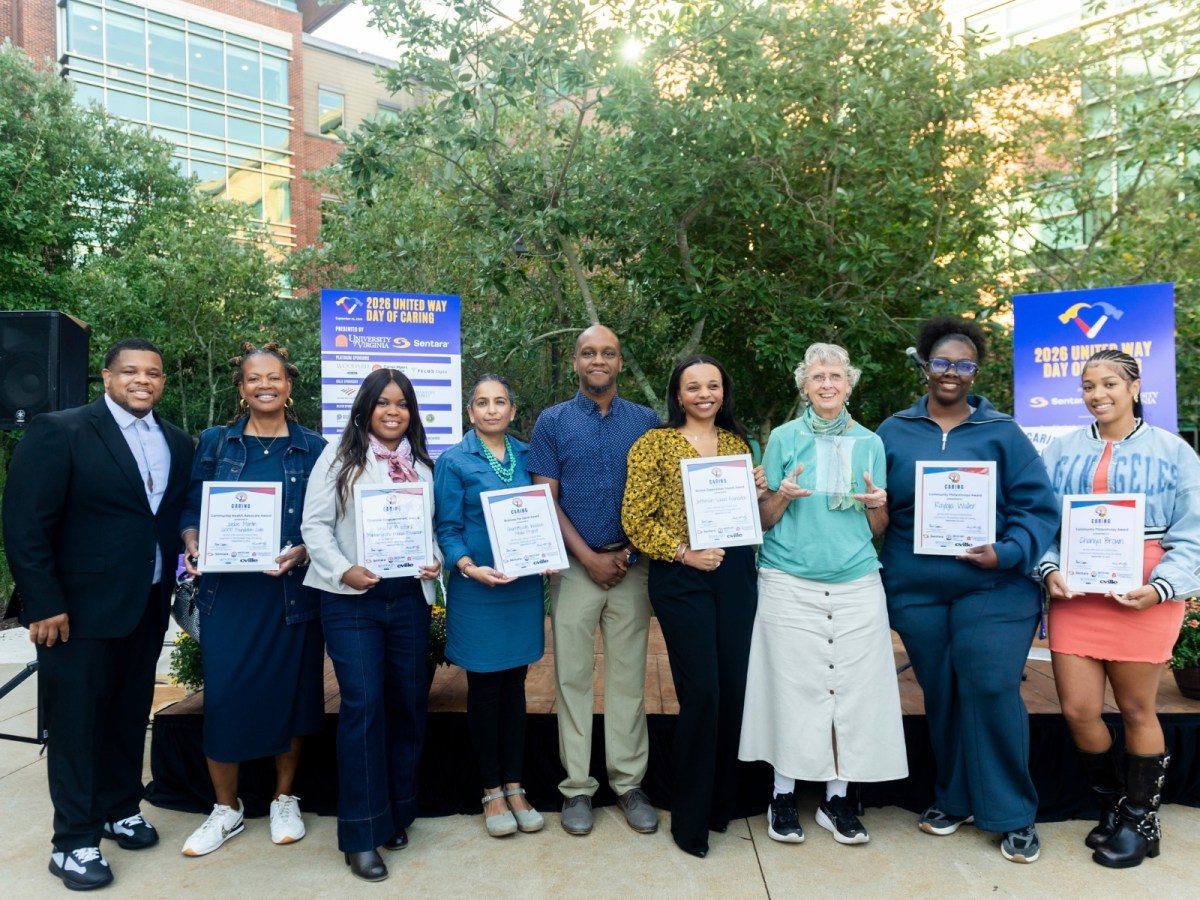
Charlottesville Inclusive Media was awarded a United Way Caring for Community Award
United Way presented the award to CIM during a ceremony on Sept. 16 at Sentara Martha Jefferson Hospital.


What goes into making local news? Charlottesville Tomorrow joins a statewide panel on different models
Our CEO and Editor-in-Chief, Angilee Shah, will speak at Washington and Lee University on Wednesday, Sept. 16.
More local News

¿Te has preguntado alguna vez cómo una idea se convierte en un artículo de noticias? Las respuestas, en esta guía
Cubrimos temas importantes para la comunidad, pero sólo podemos hacerlo con tu ayuda.
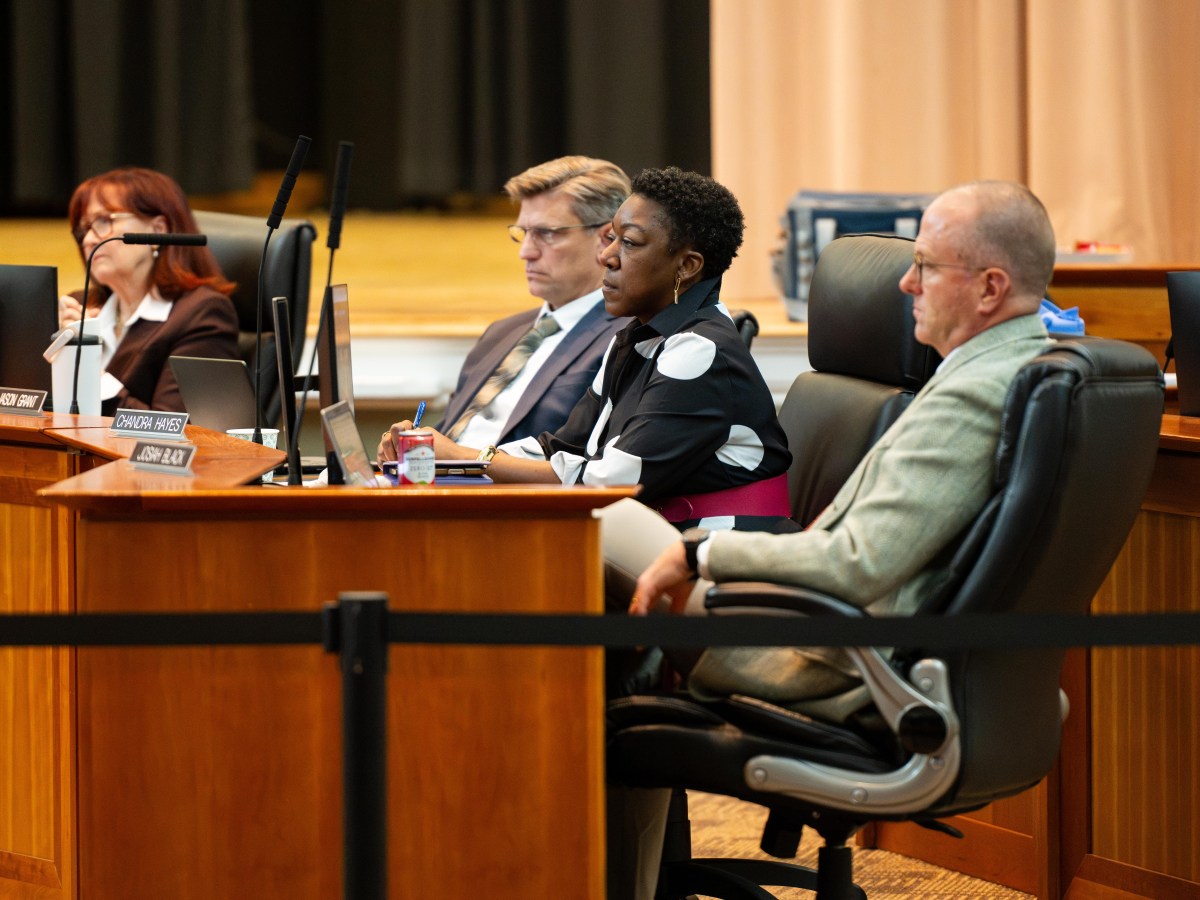
Albemarle County abruptly closes schools after finding failures in employee background checks
“Families should not have to accept any uncertainty about the adults working with their children, and I will not risk the safety of our students,” Acting Superintendent Chandra Hayes said in a statement.


Health officials identify measles exposure sites in Charlottesville and Farmville
The news comes as the U.S. lost its measles elimination status for the first time in 26 years.


UVA students say they were promised a university committed to inclusion. Now, they’re watching the university dismantle those programs.
The university voluntarily entered an agreement with the Department of Justice and pulled funding from diversity and inclusion programs that students say they depended on.

More than 100,000 Virginians could lose access to Medicaid. Here’s how you can prepare.
New federal rules will change how some Virginians qualify for Medicaid and maintain their coverage. Free local and virtual sessions can help residents understand what to expect.