
Undocumented students in Virginia may not lose access to in-state college tuition after all, as the state’s new attorney general, Jay Jones, has pledged to fully defend the law, changing course from his predecessor, Jason Miyares.
The Department of Justice filed a lawsuit against Virginia on Dec. 29, 2025, to challenge the Dream Act, a 2020 state law granting in-state college tuition and financial aid eligibility to undocumented students who have attended Virginia high schools for at least two years and who have filed (or whose parents have filed) state income taxes for at least two years. Miyares sided with the DOJ in a Dec. 30, 2025, joint filing.

“My office will immediately reverse course, withdraw my predecessor’s flawed and legally incorrect position and fully defend Virginia’s in-state tuition law,” Jones announced upon his inauguration on Jan. 17.
In its lawsuit, the Trump administration argues that the state’s policy conflicts with the 1996 Illegal Immigration Reform and Immigrant Responsibility Act by granting educational benefits to undocumented students that are not available to U.S. citizens from other states, Reuters reported.
“I think the logic that the DOJ is utilizing is very faulty,” Legal Defense Fund Senior Counsel Antonio Ingram told Charlottesville Tomorrow. “They’re essentially saying undocumented students are getting benefits that citizens from other states cannot get in Virginia, but I think that’s a faulty framing, because the comparative population is fellow Virginia residents, not U.S. citizens.”
“That’s why the Dream Act in Virginia was passed,” Ingram added. “Because they grew up in these communities, they went to high school in these communities, and they have no other country to call home.”
More than 10,000 undocumented Virginia college students could be impacted by a change to the law, according to 29News. On Dec. 31, 2025, the Legal Aid Justice Center and ACLU filed motions on behalf of Virginia’s Dream Project to intervene in the lawsuit.
Now that Jones has changed course for Virginia, a lengthy legal battle could be ahead, Ingram told Charlottesville Tomorrow. The case could move through full federal litigation, including motions, hearings and potentially appeals to the Fourth Circuit and beyond.
Even if the law remains in effect in the short term, disputes over federal preemption and equal-protection arguments could keep the case tied up in court for months or years, especially if either side appeals an unfavorable ruling.
While we can’t cover every story that’s important to you, we do our best to be responsive to your needs. We use tips from readers to choose which stories to cover, to incorporate information into broader reports or to help us decide how to grow Charlottesville Tomorrow. Here’s where you can tell us what you think we should be covering.
More about the federal government and UVA
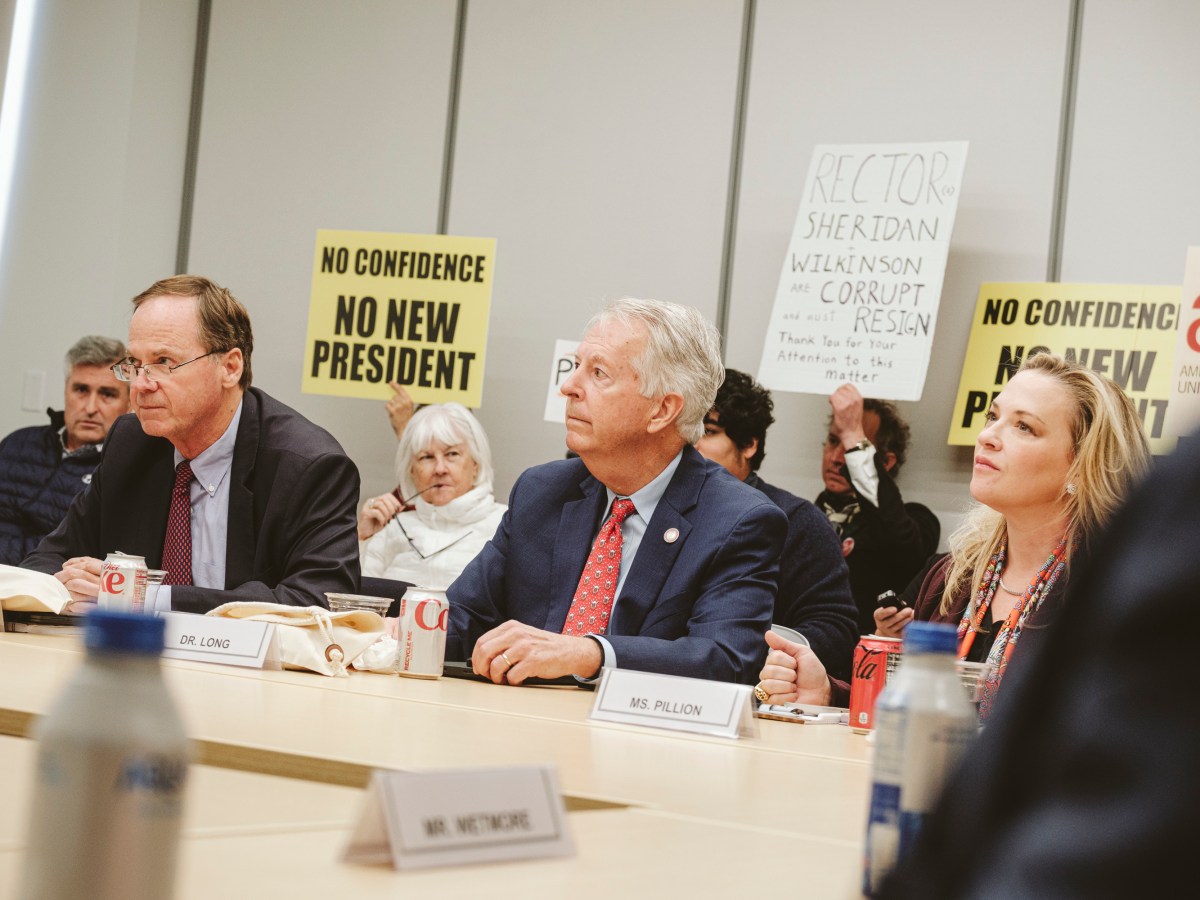
Spanberger overhauls UVA’s governing board following months of controversy
Five Board of Visitors members resigned at the new governor’s request after the Faculty Senate accused the Board of failing to act in the university’s best interest.


Attorney general says Virginia should end in-state tuition for undocumented students
This latest development comes after the Trump administration sued the state over the Virginia Dream Act, which grants in-state tuition and financial aid eligibility to undocumented students who graduated from Virginia high schools.
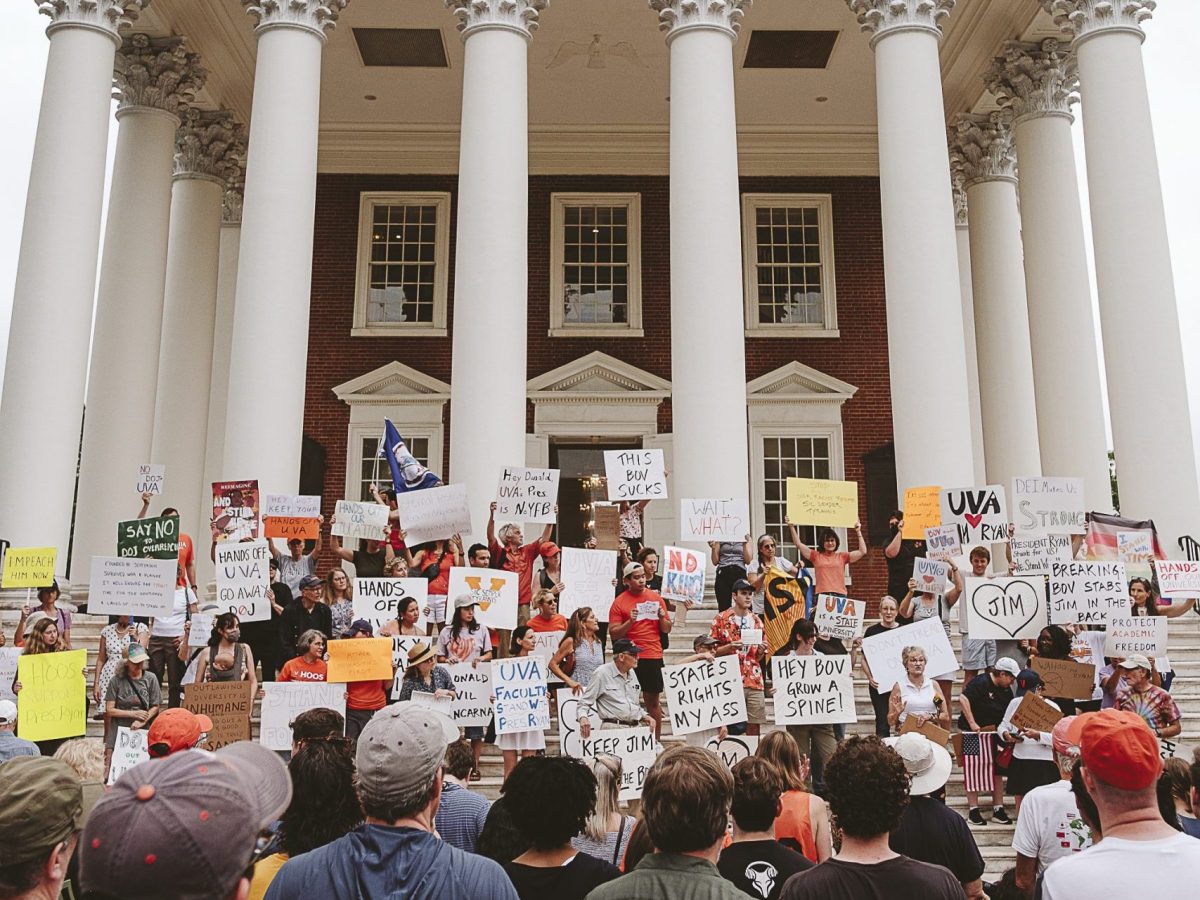
A timeline of UVA under the Trump administration
Beginning with Department of Justice investigations that led to the ouster of President Jim Ryan in the summer of 2025, UVA has experienced unprecedented levels of federal government intervention.
More local News

501 Cherry development in Fifeville moves on without the Charlottesville Food Co-Op
The Co-Op is looking for another location while the project partners continue searching for an operator for the development’s grocery store.

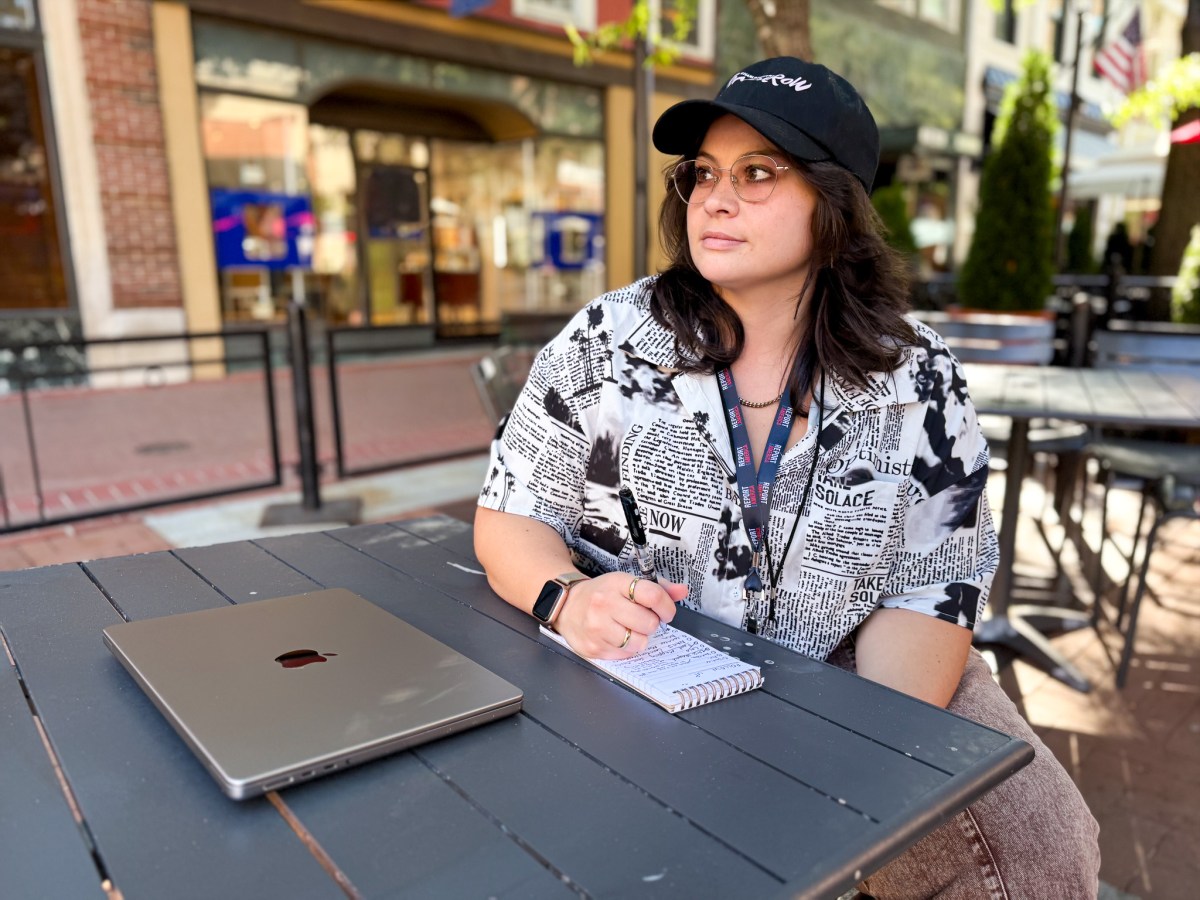
Here’s how Charlottesville Tomorrow uses — and does not use — AI
A note from our CEO and Editor-in-Chief, Angilee Shah, about our newsroom’s human-first approach to artificial intelligence.


Albemarle County School Board member resigns; Board votes for an independent investigation into the school district
Speaking through tears, Vice Chair Allison Spillman announced her resignation, saying her children had been subject to “harassment” due to her role in public office.

¿Le preocupa ir a la corte por miedo a ICE? Esto es lo que una abogada local de inmigración quiere que la comunidad sepa
Un abogado de inmigración de Charlottesville responde a las preguntas frecuentes sobre los arrestos del ICE en los tribunales, las audiencias judiciales y cómo las familias pueden prepararse para emergencias.


Worried about going to court because of ICE? Here’s what a local immigration lawyer wants community members to know
A Charlottesville immigration lawyer answers common questions about ICE courthouse arrests, court hearings and how families can prepare for emergencies.