
Undocumented students in Virginia still qualify for in-state college tuition after an Oct. 5 ruling from a federal judge, but the legal battle is likely to continue, as reported by 29 News.

The Department of Justice filed a lawsuit against Virginia in December 2025 to challenge the Dream Act, a 2020 Virginia law granting in-state college tuition and financial aid eligibility to some immigrant students. To be eligible, they must have attended Virginia high schools for at least two years and have filed (or their parents have filed) state income taxes for at least two years.
The DOJ argued that the Virginia Dream Act conflicts with the 1996 Illegal Immigration Reform and Immigrant Responsibility Act by granting educational benefits to undocumented students that are not available to U.S. citizens from other states. On Dec. 30, former Republican Attorney General Jason Miyares agreed to seek a court order preventing the state from enforcing the law.
The following day, the Legal Aid Justice Center and American Civil Liberties Union filed motions on behalf of Virginia’s Dream Project to intervene in the lawsuit, arguing that the Dream Act only offers a pathway to in-state tuition for those who meet specific Virginia high school and tax requirements.
Legal Defense Fund Senior Counsel Antonio Ingram agreed with the LAJC and ACLU.
“I think the logic that the DOJ is utilizing is very faulty,” Ingram told Charlottesville Tomorrow in January 2026. “They’re essentially saying undocumented students are getting benefits that citizens from other states cannot get in Virginia, but I think that’s a faulty framing, because the comparative population is fellow Virginia residents, not U.S. citizens.”
“That’s why the Dream Act in Virginia was passed,” Ingram added. “Because they grew up in these communities, they went to high school in these communities, and they have no other country to call home.”
In state-tuition is typically significantly less costly than the alternative. For example, a first-year student eligible for in-state tuition at the University of Virginia’s college of arts and sciences would pay approximately $20,000 in tuition and fees compared to nearly $60,000 for an out-of-state student.
After Attorney General Jay Jones, a Democrat, took office in January 2026, he immediately moved to defend the Dream Act in court.
However, the legal battle is likely to continue, with the federal judge’s opinion describing an appeal as a “virtual certainty,” 29 News reported. According to the outlet, Jones’ office is prepared to continue defending the law if the federal government appeals. An appeal would first go to the U.S. Court of Appeals for the Fourth Circuit and could ultimately reach the U.S. Supreme Court.
For now, the ruling allows eligible immigrant students to continue receiving in-state tuition.
The Virginia legal battle is part of a broader national push by the Trump administration to end in-state tuition for eligible undocumented students.
The DOJ has filed 25 lawsuits challenging such policies across the country since June 2025, as reported by Inside Higher Ed. So far, Virginia and Minnesota have upheld their policies, while in Texas, Oklahoma and Nebraska, Republican attorneys general joined the federal government in seeking to end their states’ policies. A federal judge struck down Illinois’ tuition law, as reported by The Washington Post (registration or subscription required).
While we can’t cover every story that’s important to you, we do our best to be responsive to your needs. We use tips from readers to choose which stories to cover, to incorporate information into broader reports or to help us decide how to grow Charlottesville Tomorrow. Here’s where you can tell us what you think we should be covering.
More about immigration in central Virginia
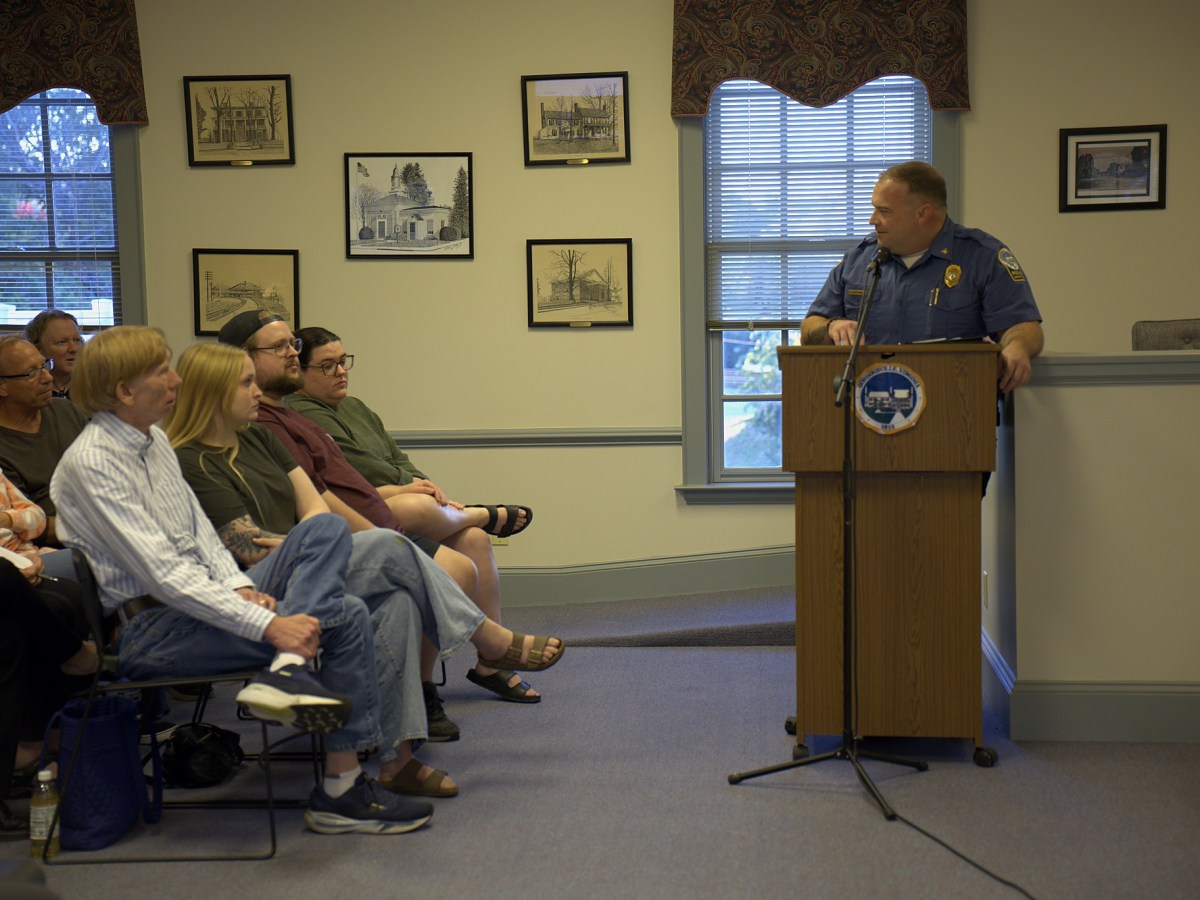
After residents push back, Gordonsville officials say they will vote on exiting ICE agreement
At a community meeting on Oct. 5, Police Chief Chris Votaw also announced that his department will no longer assist with ICE operations outside of Gordonsville.

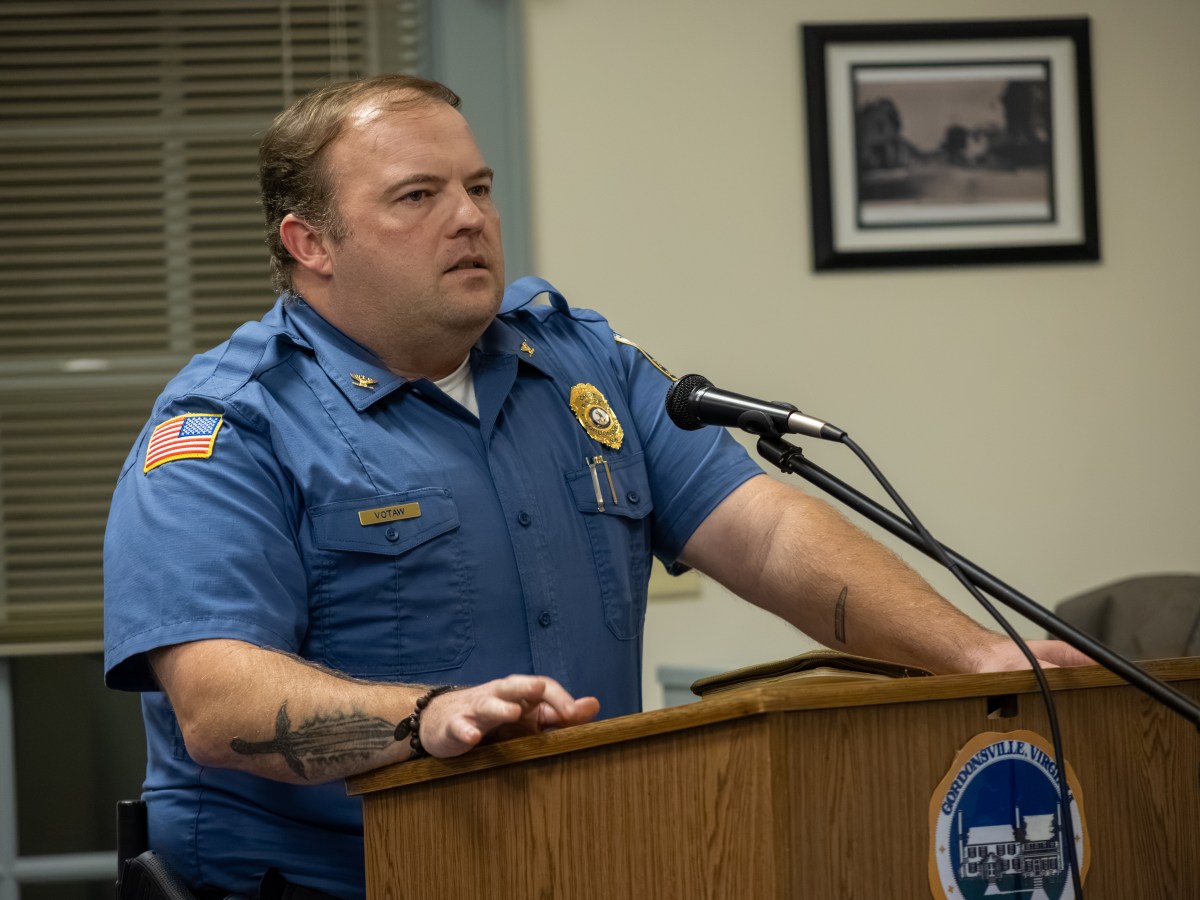
Gordonsville police quietly resumed working with ICE a month ago. Why didn’t Town Council know?
The lack of transparency around Gordonsville’s 287(g) agreement troubles residents and is the latest example of immigration enforcement shrouded in secrecy.
¿Le preocupa ir a la corte por miedo a ICE? Esto es lo que una abogada local de inmigración quiere que la comunidad sepa
Un abogado de inmigración de Charlottesville responde a las preguntas frecuentes sobre los arrestos del ICE en los tribunales, las audiencias judiciales y cómo las familias pueden prepararse para emergencias.


More local News
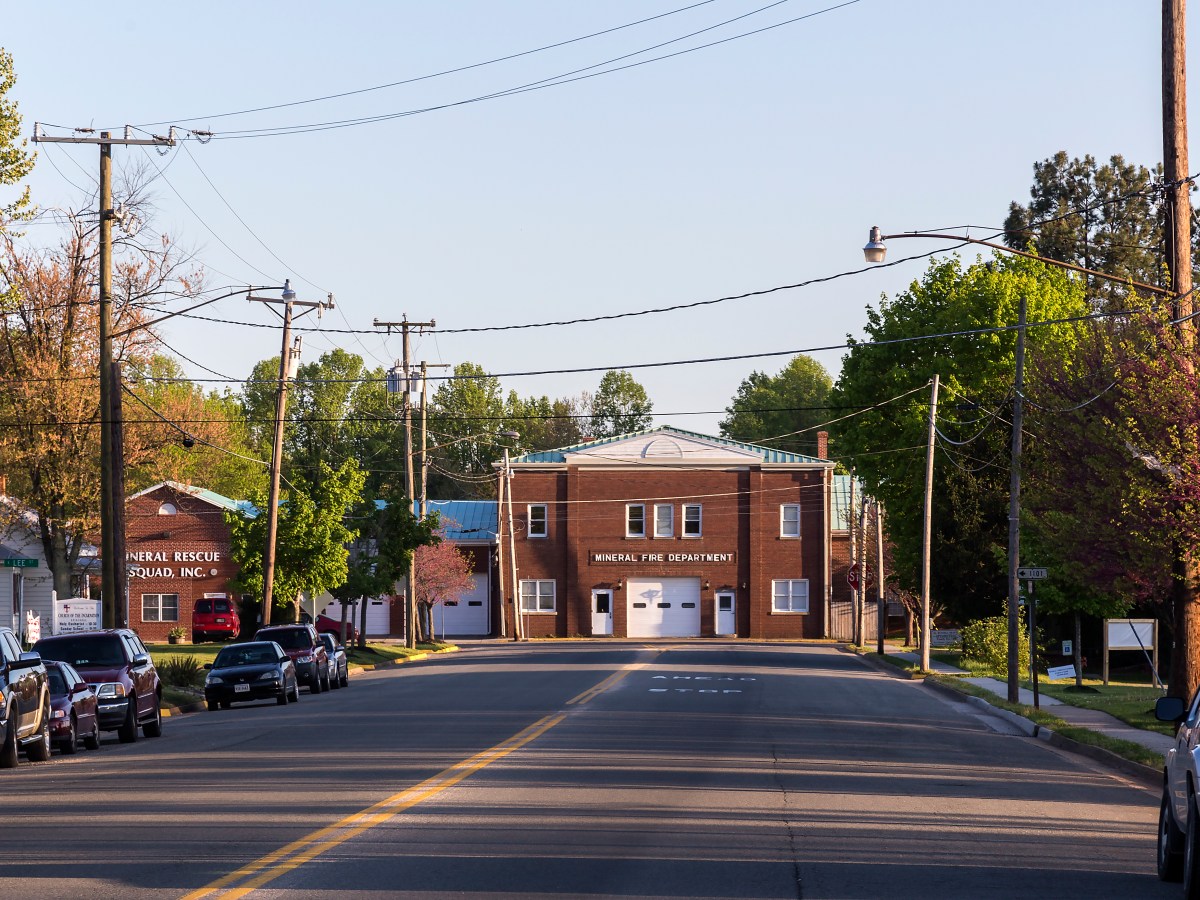
Candidates for Mineral Town Council say it would be a mistake to dissolve the town in Q&A
The five candidates who responded to our Q&A also point to town water issues as a top priority to address.

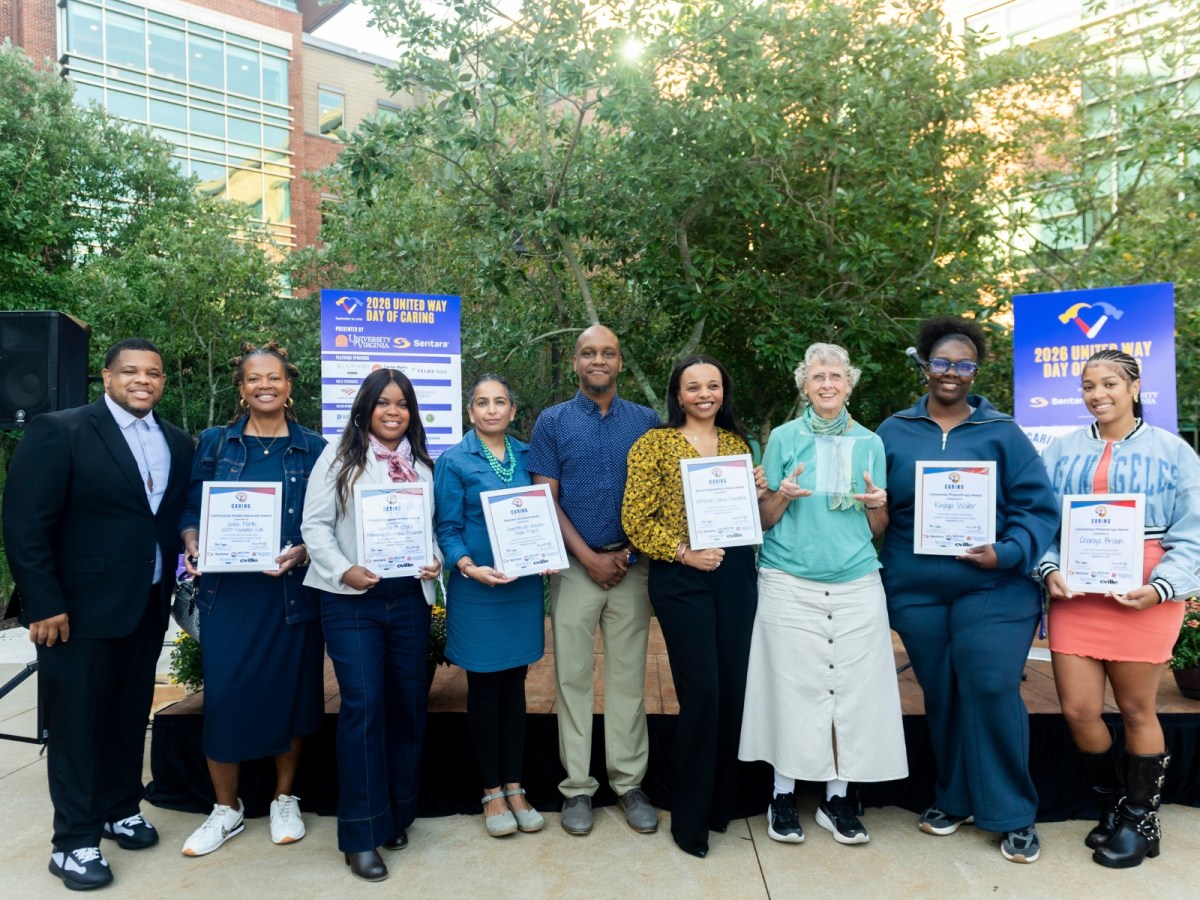
Charlottesville Inclusive Media was awarded a United Way Caring for Community Award
United Way presented the award to CIM during a ceremony on Sept. 16 at Sentara Martha Jefferson Hospital.


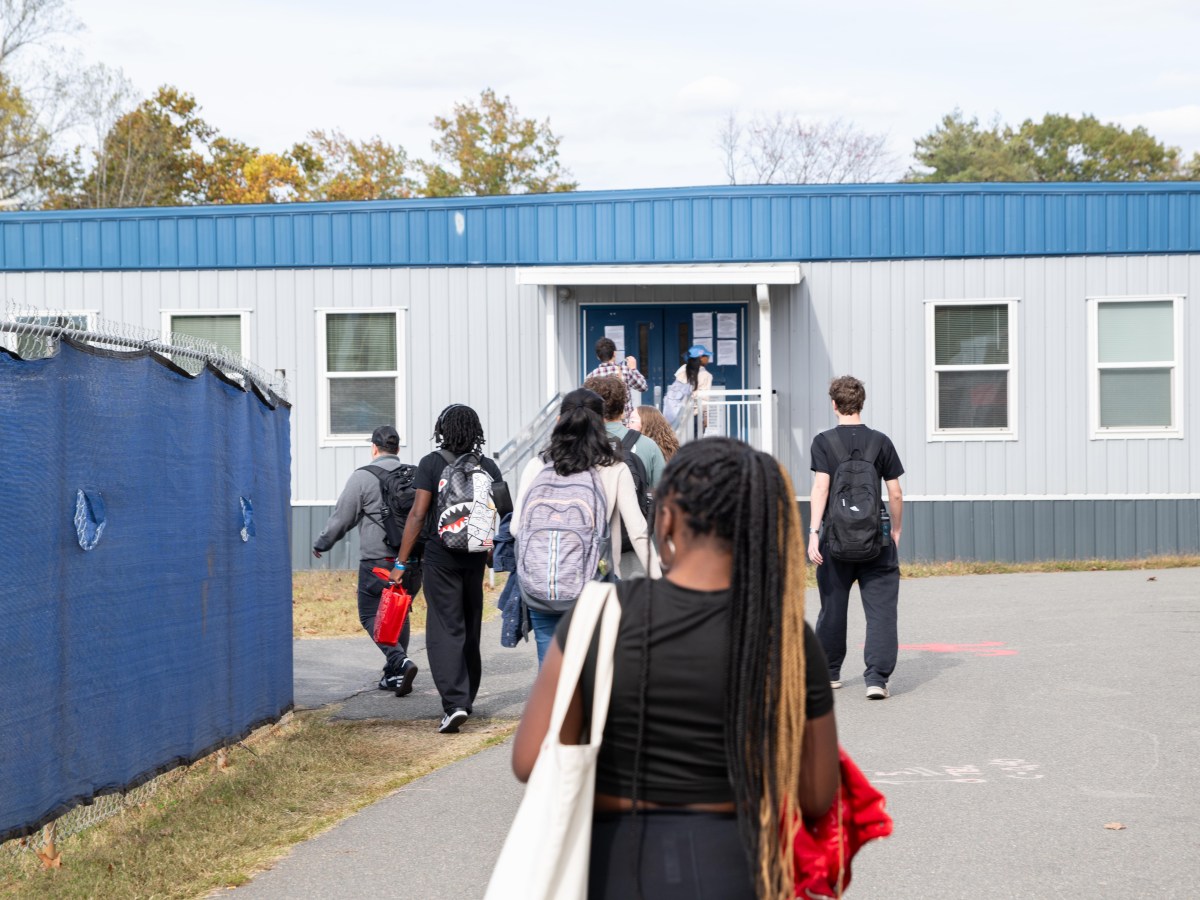
With high schools ‘at or over capacity,’ Albemarle County voters will consider a 1% local sales tax referendum for school construction
Albemarle County Public Schools has six priority capital projects, but only one is currently funded.


Prince Edward Superintendent hopes 1% sales tax referendum provides ‘a dedicated funding source’ for school construction and renovations
County residents can vote the new local sales tax in a referendum on their ballots this fall.
Nelson County voters will consider referendum to allow a 1% local sales tax for school construction and renovations
Superintendent Amanda Hester has already identified potential projects, while Supervisor Jesse Rutherford says the funding should be the state’s responsibility.