
On Saturday, March 22 at 3 p.m., the City of Charlottesville will continue its ongoing efforts to educate the public about local history with the unveiling of a new state historical marker and accompanying Green Book plaque at the site of the former Carver Inn on Preston Avenue in Charlottesville.
The historical marker, approved by the Virginia Department of Historic Resources in June 2024, will read:
“The Carver Inn (ca. 1947) on this site was among the few lodging places in Charlottesville where African Americans could stay during segregation. Featuring fine dining, a private social club, and a beauty salon, the inn was host to famous guests including Louis Armstrong, Duke Ellington, and Thurgood Marshall. Gregory Swanson, the first African American to attend the University of Virginia, resided here after his successful lawsuit to gain admission to the graduate law program. The Carver Inn was listed in the Green Book, a national guide to facilities that served African American travelers. It was demolished in the mid-1970s during a road-widening project that razed several Black-owned properties.”

The city’s Historic Resources Committee sponsored the marker, which was one of two the VDHR approved for the city in 2024. The state approves only about 20 markers each year.
Earlier this month, on March 3, the City unveiled a marker acknowledging the sales of enslaved people at various sites throughout Court Square in downtown Charlottesville.
There are more than 2,500 highway markers sanctioned by the Virginia Department of Historic Resources throughout the state, including 39 in Albemarle County and, with the installation of the Carver Inn marker, 28 in Charlottesville.
The Carver Inn marker will be accompanied by a Green Book plaque affixed to the post below it. The Green Book highway marker plaque program, which was established by the General Assembly in 2023, seeks to add signage to the posts of existing, or new, state highway markers that pertain to businesses listed in The Green Book. These plaques are green and black and are smaller than the silver and black historical markers.
The Green Book plaque affixed to the Carver Inn marker will be the first one in Charlottesville.
The Green Book was a travel guide to hotels, restaurants, drug stores, and other businesses known to be safe for Black Americans during the Jim Crow era, a time when many establishments refused to admit or serve Black people. The guide was created by Victor Hugo Green, a letter carrier from New York, and was published from 1936 to 1967. By the time the Green Book was discontinued, hundreds of Virginia businesses were listed in its pages, according to the Virginia Department of Historic Resources.
A project from the University of Virginia Institute for Advanced Technology in the Humanities project, “The Architecture of the Negro Travelers’ Green Book,” delves into different editions of the guide and the various establishments featured in it around the country. (Read the entry for the Carver Inn.)
Take Action
The City of Charlottesville will unveil a new historical marker and plaque at the site of the former Carver Inn, one of the few lodging places in the city African Americans could stay during segregation. The unveiling will take place on March 22 at 3 p.m. at the 700 block of Preston Ave., across from Kardinal Hall. Parking for the unveiling will be available in the former Reid Super-Save Market lot located at 600 Preston Ave.
Following the unveiling, there will be a reception and a screening of local filmmaker Lorenzo Dickerson’s documentary about the hotel, “Carver Inn, Charlottesville VA,” at the Central branch of the Jefferson-Madison Regional Library, located at 201 E. Market Street.
While we can’t cover every story that’s important to you, we do our best to be responsive to your needs. We use tips from readers to choose which stories to cover, to incorporate information into broader reports or to help us decide how to grow Charlottesville Tomorrow. Here’s where you can tell us what you think we should be covering.
More on history in central Virginia
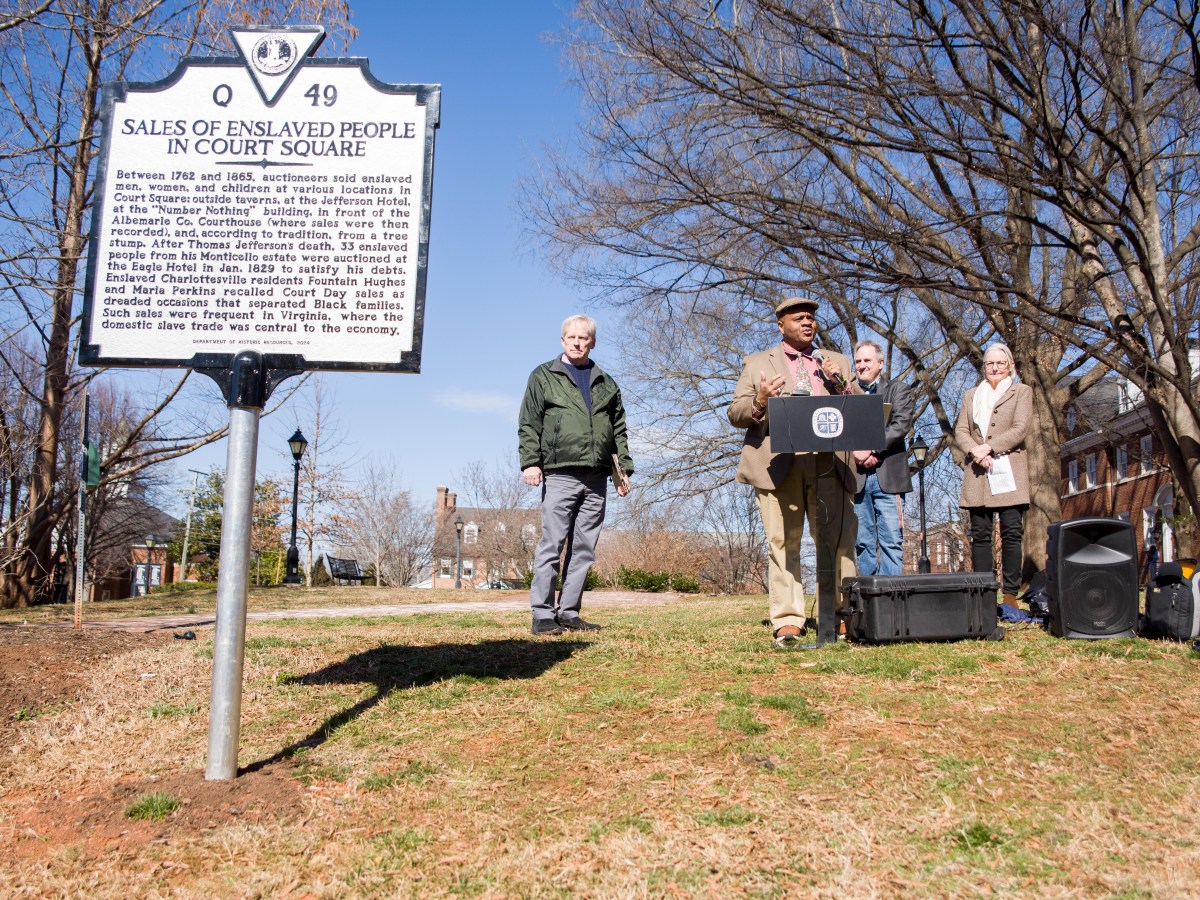
A ‘long time coming’: sale of enslaved people in Court Square recognized with state historical marker
“It’s time to put some things upright. I’m so grateful we are honoring this,” DeTeasa Brown Gathers told the crowd at the marker unveiling Monday.

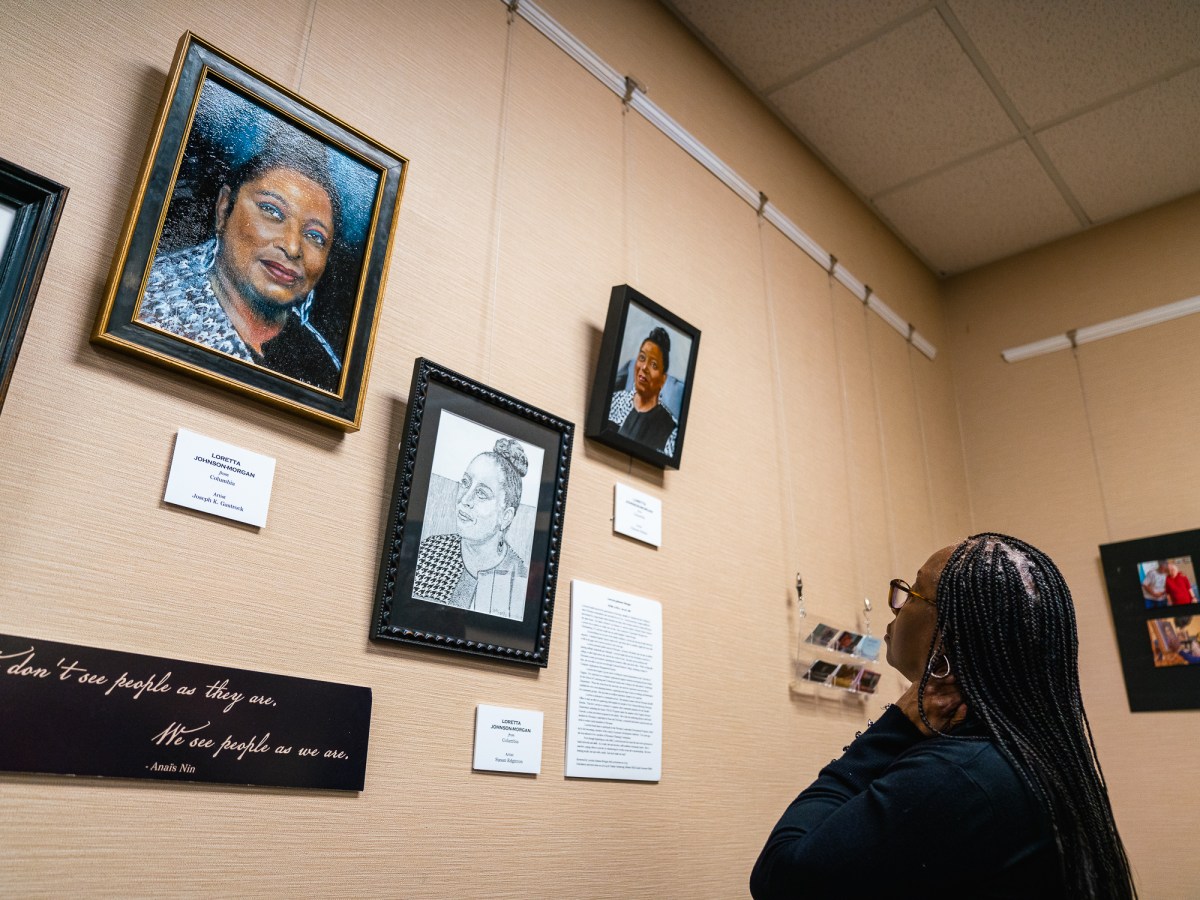
An interpretive art project that documents Fluvanna County’s Black ancestry is on display at the Fluvanna Public Library 10 years after its conception
“I’ve never seen anything of this magnitude done before here in Fluvanna County,” said Lorretta Johnson-Morgan, one of 17 people portrayed in the central Virginia art project.

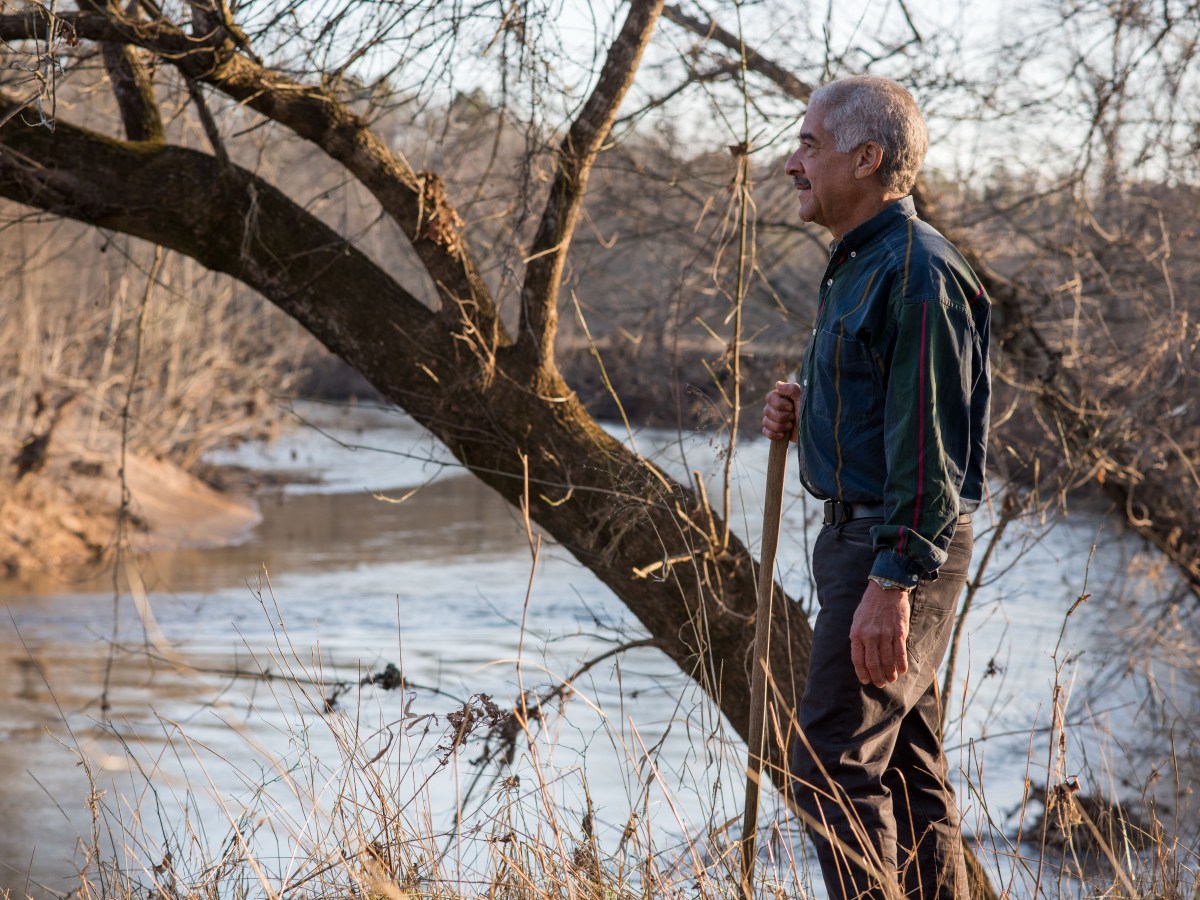
How one family owned and ran the largest Black-owned farm in Albemarle County — for generations
Philip Cobbs tells the story of his family’s land, and the remarkable ancestors who were determined that their legacy would be equality.

More local News
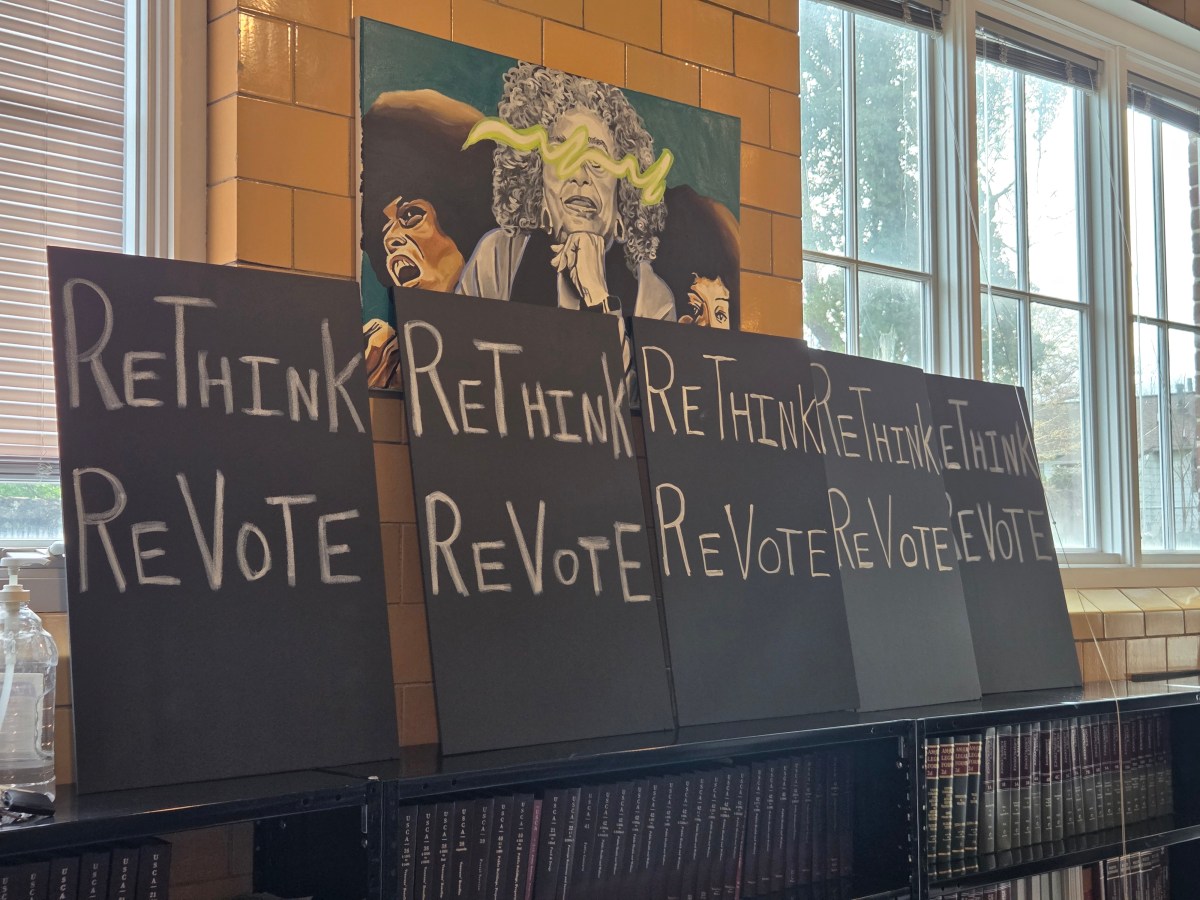
Charlottesville parents, teachers and activists ask for revote on school resource officers
The School Board has moved ahead with an agreement with the Charlottesville Police Department, but said it will devote an April work session to ‘further discussion’ of the matter.


After two years without independent counsel, Charlottesville’s police oversight board has an attorney to represent its interests to the city
New counsel will review suggested ordinance changes that will shape the Board’s role before a planned meeting with City Council.

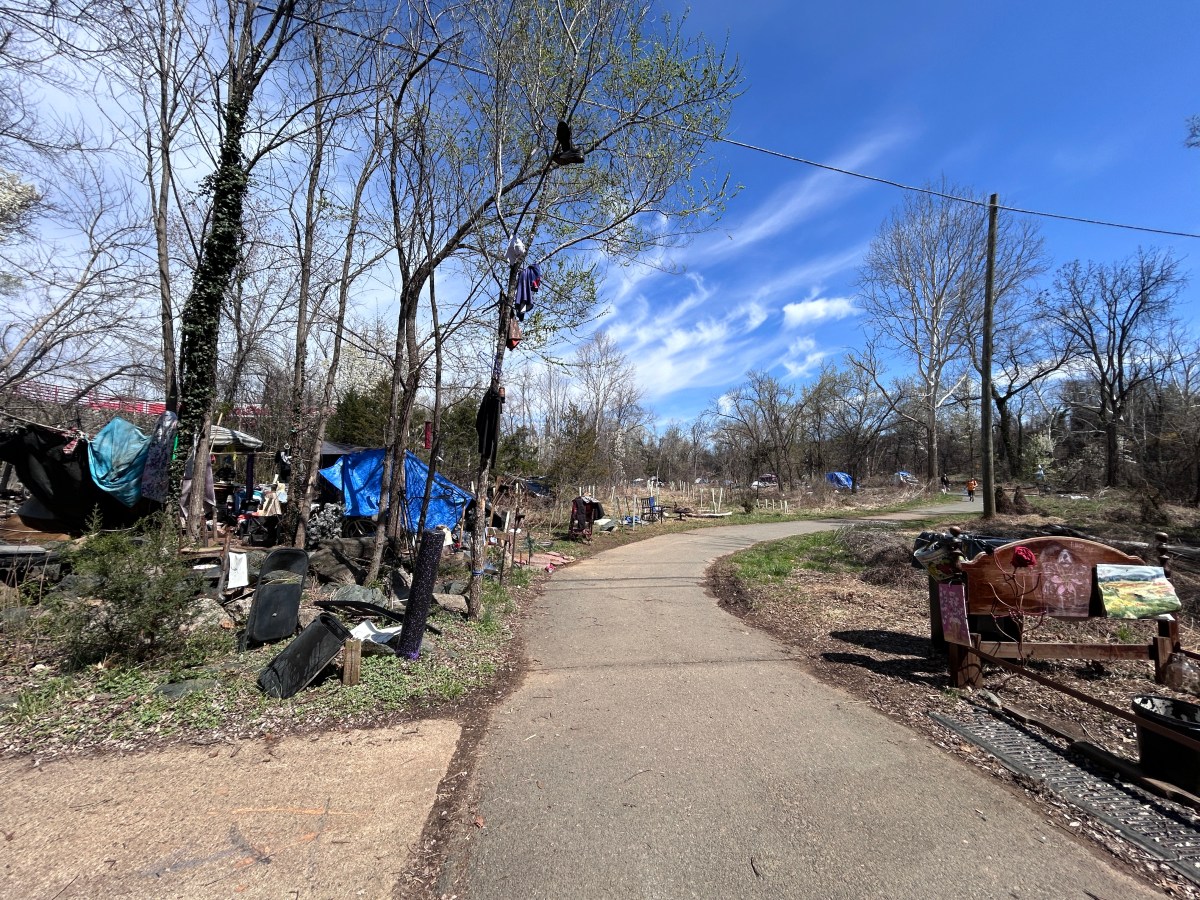
Charlottesville city officials promise not to displace unhoused community members during an encampment cleanup effort this week
Citing public health, safety and environmental concerns, city staff and a local landscaping company will clean up trash and install portable toilets and sharps disposal containers at the site Tuesday, March 24 and Wednesday, March 25.

In Orange and Louisa, residents and public officials voice concerns over proposed Valley Link transmission line
Residents are speaking out about potential negative impacts on homes and farmland, and many local governments are finding their influence is limited, as the fate of the project rests with state regulators.


The Prolyfyck crew is growing — in the next 20 years, its leader wants to show up for the neighborhoods where they run
James “Littlez” Dowell co-founded Prolyfyck Run Creww as a way to bring communities together through fitness. But now it’s so much more.