

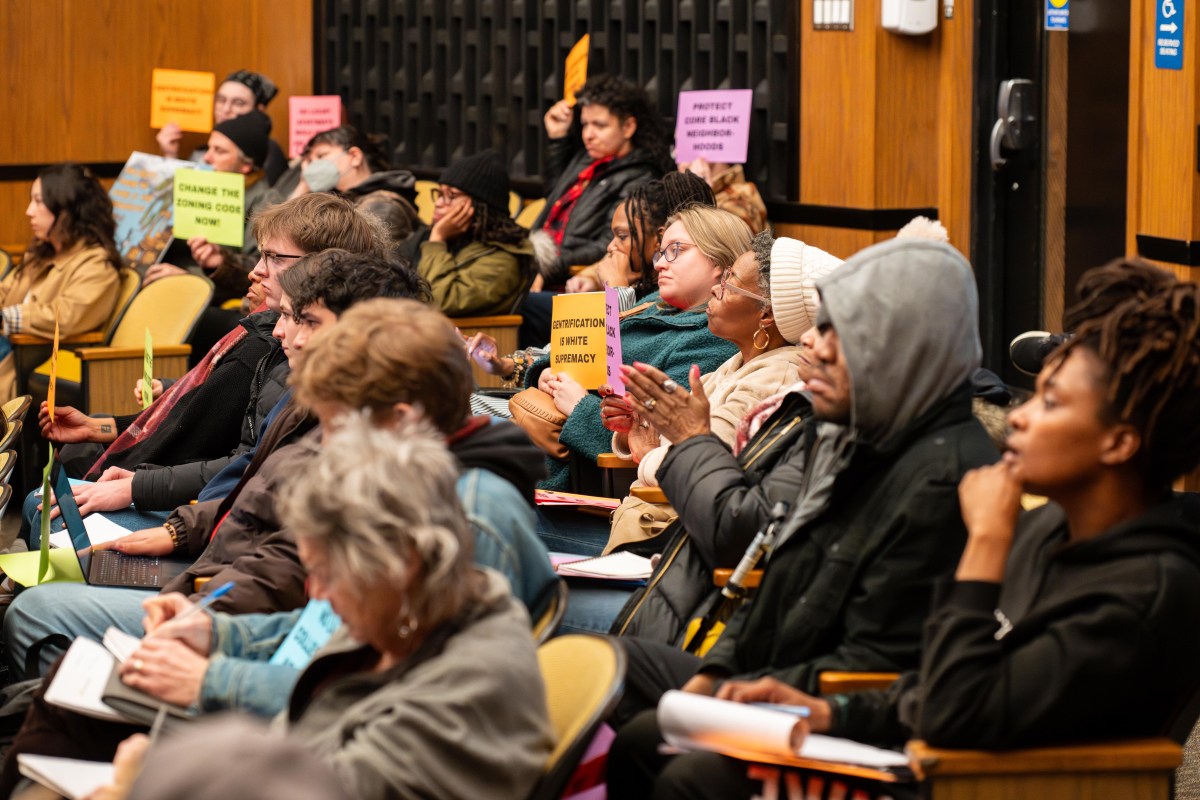
Charlottesville City Council has voted to issue a Certificate of Appropriateness (COA) for a 7-story luxury housing development despite strong opposition from Fifeville residents.
On Monday night, City Council voted to overturn a December 2025 decision by the Board of Architectural Review to deny the COA — an official document approving exterior changes to properties within designated historic districts or landmarks — to Landmark Properties, the developer of a large student housing complex called The Mark.
In practical terms, City Council’s vote means that Landmark Properties can now move on to the next phase of development, which includes submitting a final site plan to be reviewed and approved by city staff and obtaining all necessary construction permits.

In an email on Wednesday, Charlottesville Development Planning Manager Matthew Alfele confirmed that since the project is by-right, site plan approval will be an administrative process and there will be no additional review by the Planning Commission or City Council.
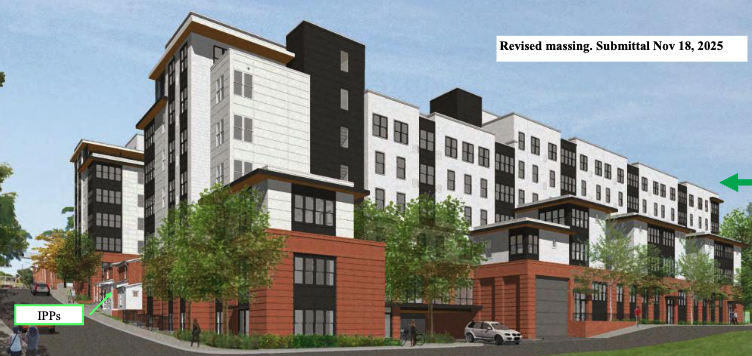
As proposed, The Mark would stretch from 7th Street to almost 5th Street and would house more than 700 people. The developer has stated that it plans to market the apartments to University of Virginia students.
The BAR denied the certificate on the basis that the development encroaches on, and is incompatible with, two individually protected properties containing historic worker cottages from the late 1800s. Landmark Properties appealed the decision to City Council.
“At each and every meeting, BAR members expressed concern about the building’s height, scale and massing,” BAR Chair James Zehmer told City Council on Monday night before the vote. “The simple truth is that a 180-unit, 770-bed, 7-story building is not compatible with two, one-room deep, 2-story buildings.”
The developer has offered to renovate the historic homes, saying that they will “thoughtfully incorporate into the project two individually protected cottage home structures on the site.”
Steve Blaine, serving as attorney for Landmark Properties, also argued on Monday that the “evolution of the building has significantly evolved over the last year,” with height reductions and changes to the facade of the apartment complex.
The proposed development has sparked concerns among residents of Fifeville, a historically Black and low-income neighborhood that was previously targeted in the city’s 1957 master plan during the era of Urban Renewal. They’ve said that building the luxury student housing complex could lead to gentrification, with local businesses catering to UVA students instead of long-term residents, and upend community-led planning initiatives already in place.
Vice Mayor Natalie Oschrin, one of three city councilors who voted to issue the COA to Landmark Properties, said that she was elected on a platform to build more housing in the city.
“We cannot discount the benefits of development,” she said. “It’s not just a building. It is a building that provides homes. It provides tax revenue. It provides traffic mitigation.”
However, community members and association representatives who spoke during the meeting disagreed.
“Student housing is not the same as affordable housing,” said Latricia Giles, executive director of the Charlottesville Public Housing Association of Residents. “It does not answer the need of low-income residents, public housing residents, working families, or longtime community members who are trying to remain in this city.”
“This building is not housing — it’s an investment class,” another speaker said.
Michael Payne, one of the two dissenting votes on the Council along with Jen Fleisher, said that it’s time for a larger conversation about whether the zoning ordinance needs to be further amended to mitigate displacement, and to listen to the voices of residents from neighborhoods that have historically suffered the most harm.
“Is there an element of procedural justice where, in the areas where Urban Renewal happened, that we as a city government have to give up some of our control of assuming we know the right answer?”
While we can’t cover every story that’s important to you, we do our best to be responsive to your needs. We use tips from readers to choose which stories to cover, to incorporate information into broader reports or to help us decide how to grow Charlottesville Tomorrow. Here’s where you can tell us what you think we should be covering.
More about developments in the Fifeville neighborhood
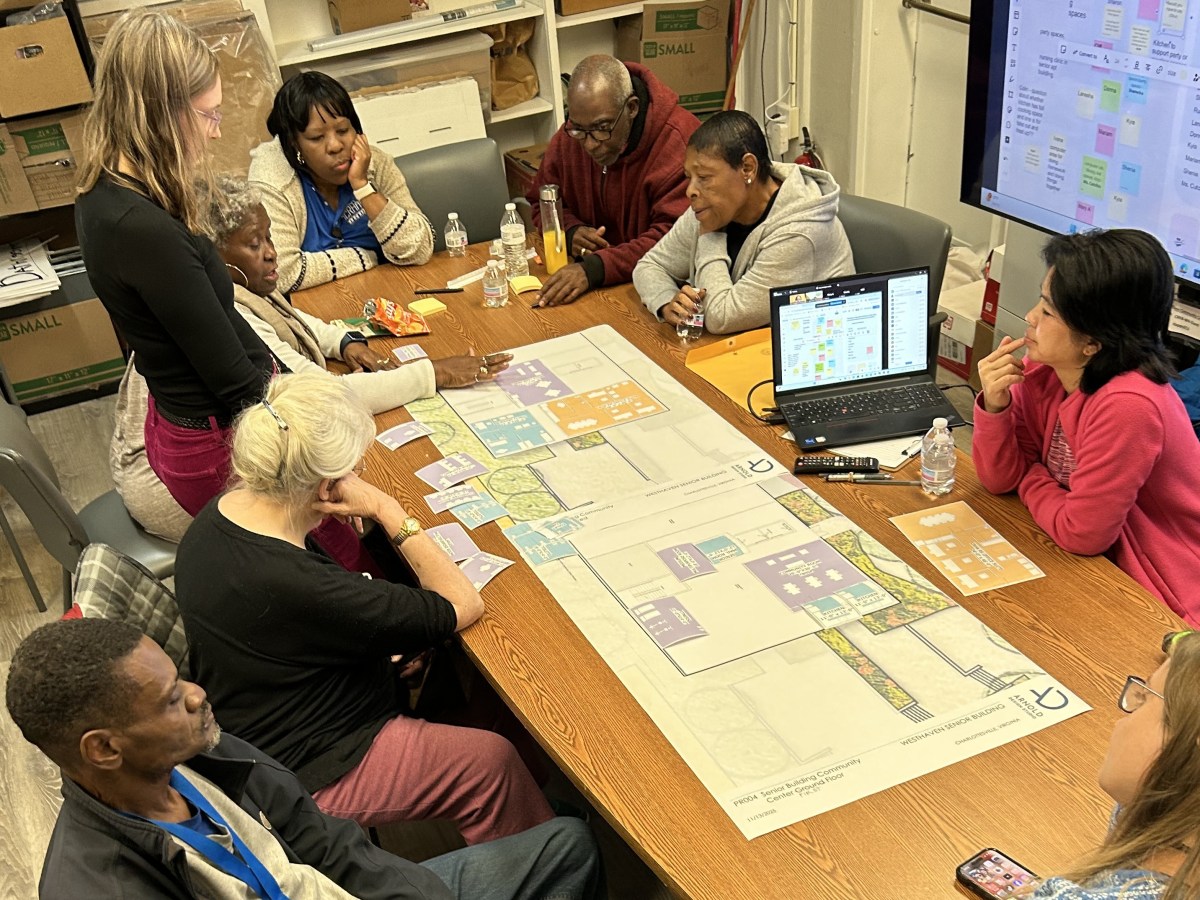
‘We don’t exist’: Fifeville and West Main student housing plans cast a shadow on community-led efforts
“Development should not come at the cost of pushing people out who helped shape and sustain this city for generations,” said Terry Tyree.

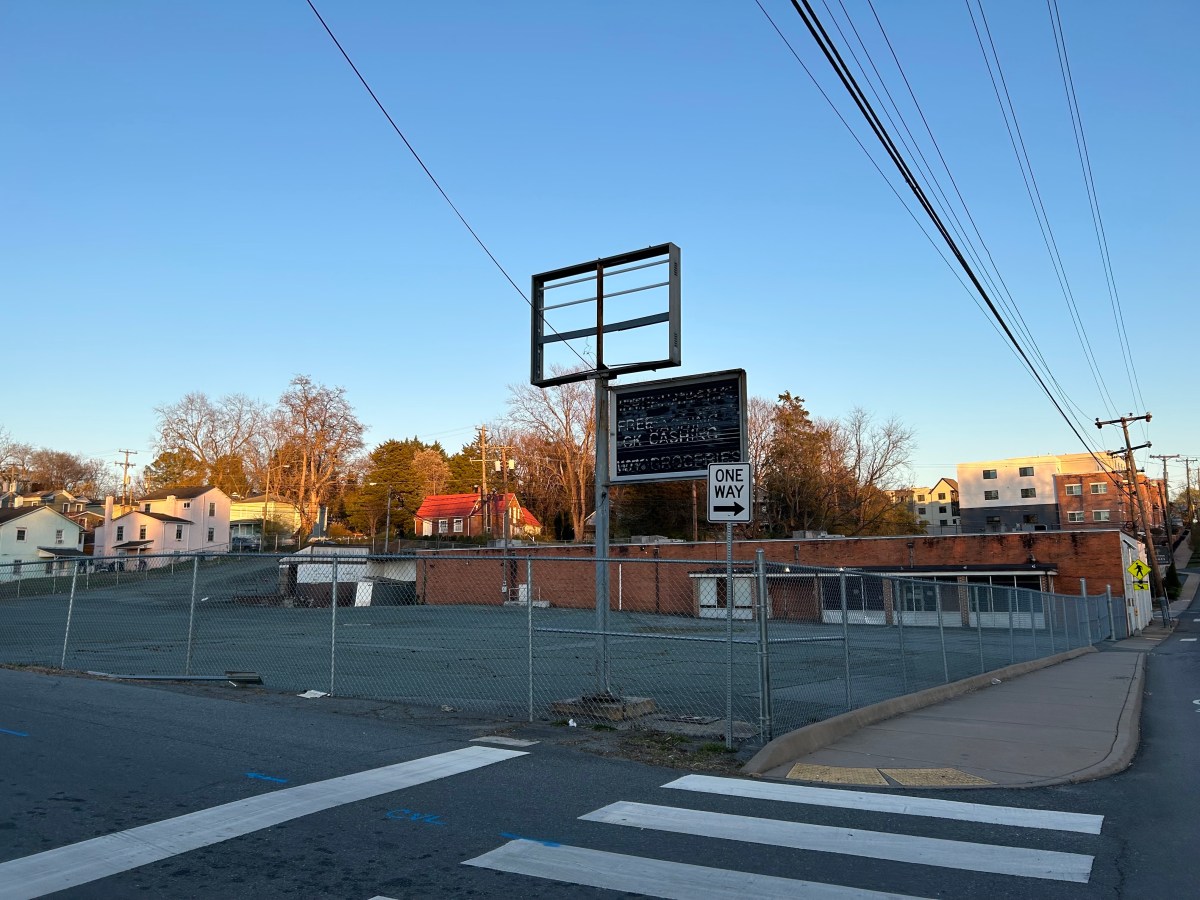
Fifeville moves one big step closer to having a community-owned grocery store, and it wants the city’s help
Plans are moving ahead for a mixed-use development in Fifeville that will include a grocery co-op and low-cost housing, but residents need city funding to get the project to the finish line.
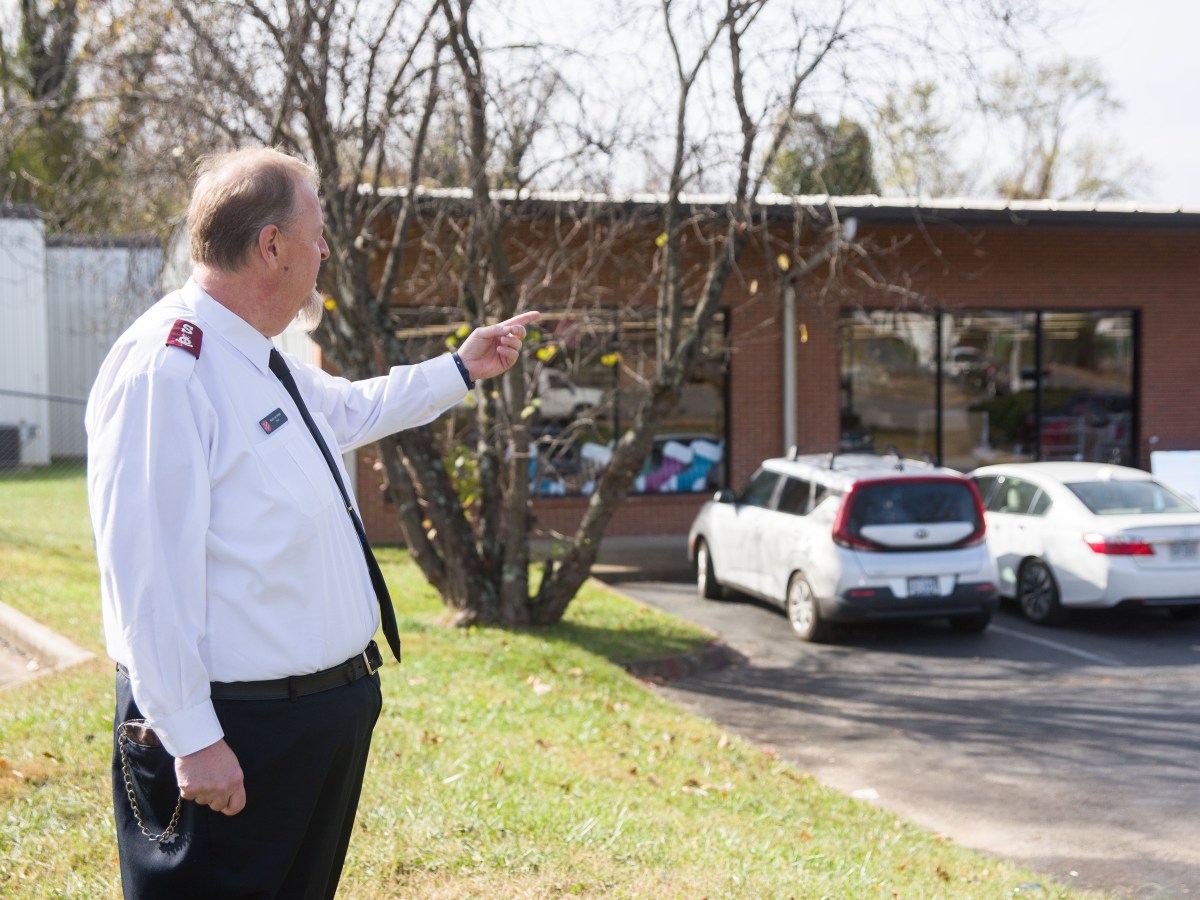
Fifeville residents want city leaders to ‘find another neighborhood’ for a low barrier shelter
About 25 residents at a Thursday night neighborhood association meeting railed against representatives of The Salvation Army, elected city officials and city staff for creating a plan to put the shelter in their neighborhood, without talking to them first.
More local News
From housing to small businesses to vibrant culture, here’s what Richard Aguilar wants you to know about his community
The stories of Southwood, of thriving Latino-owned businesses and vibrant festivals, are not just isolated victories, writes Aguilar.


‘The worst it has ever been’: Virginia immigration lawyers, former immigration judges warn of a court system in crisis
Attorneys and former judges say mass firings, political pressure and sweeping policy changes have made it harder than ever for immigrants to receive a fair hearing.


Charlottesville votes for ‘Rooted’ to reimagine melted Lee statue into a bronze baobab tree in Market Street Park
About 64% of nearly 1,000 people voted for MASS Design group’s public art concept, announced the Jefferson School African American Heritage Center.


Planning to speak out about Greene County’s ICE partnership? Here’s what the Board of Supervisors can — and can’t — do
At the June meeting, many residents expressed concerns about support for budget items related to working with ICE. The Board meets again Tuesday.

How many people need shelter? A new count in the summer will help us plan, says Charlottesville advocate
The Blue Ridge Area Coalition for the Homeless is seeking volunteers on July 22 and 23.