

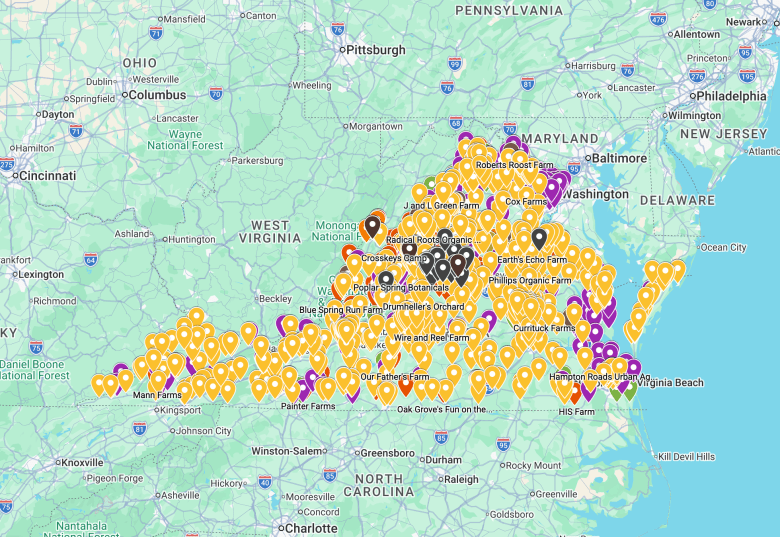
Whether you’re looking for fresh local produce, hoping to support small Virginia farms, or searching for food pantries and community fridges to help make ends meet, a new publicly available resource helps bring those options together in one place.
Created independently by Charlottesville resident Olivia Hathaway, the “Food Map of the Valley” brings together hundreds of food resources across the region in one searchable place. The interactive map includes local farms, farm stands, farmers markets, community-supported agriculture (CSA) programs, pick-your-own farms, community gardens, food banks, free community fridges and even classes on gardening, canning and food preservation.
The resource comes at a time when many families are watching food prices closely amid ongoing uncertainty over the Supplemental Nutrition Assistance Program (SNAP, or “food stamps”), tariffs and supply chains. It also offers alternatives for people looking to buy directly from local growers after recent recalls of nationally distributed produce.
Farmers, beekeepers, food producers and others who sell groceries — including honey, preserved foods and similar products — can also request to be added to the map, along with educators who offer classes related to growing or preserving food.

“People often don’t realize how crucial food infrastructure is until crises happen,” Hathaway told Charlottesville Tomorrow. The goal of the map, she said, is to help strengthen that infrastructure before the next crisis by connecting people with existing food resources and safety nets.
Aleen Carey, the co-executive director of food justice nonprofit Cultivate Charlottesville, agreed.
(Disclosure: Aleen Carey serves as a member of Charlottesville Tomorrow’s Board of Directors. Our board does not have a say in our editorial decisions. Here is our editorial independence policy.)
Supporting local farms can help strengthen regional food systems by providing alternative food sources during times of natural disasters or other crises, when regular supermarket supply chains can become disrupted, she told Charlottesville Tomorrow in February.
“It’s important to know that you have access to food in a crisis situation — which could be a pandemic or a natural disaster — that you’re not going to be without food, and knowing that you can get that food that’s grown close, that you don’t have to get from out of state or out of the country, that means everything,” Carey said.
Take action
Here are some places to search for food access and assistance.
Want to use the “Food Map of the Valley” to find community food resources — from local farms to food pantries — close to you? Users can search the map by selecting the type of resource they’re looking for on the left side of the map (note: community fridges can be found under the “food pantry” option) or by using keywords to find specific products or services. For example, searching “eggs” highlights farms and markets that sell eggs, while “SNAP” or “EBT” identifies locations that accept those benefits. The map’s creator, Olivia Hathaway, recommends contacting locations before visiting, as hours and seasonal farm stands can change.
Here’s one more resource: The Blue Ridge Area Food Bank maintains a searchable map of pantries in its service area. You can also dial 211 to find more food banks and pantries or chat or email Virginia 211 for assistance.
Farmers, beekeepers, food producers and others who sell groceries — including honey, preserved foods and similar products — and educators who teach about growing or preserving food can request to be added to the map by filling out this survey.
While we can’t cover every story that’s important to you, we do our best to be responsive to your needs. We use tips from readers to choose which stories to cover, to incorporate information into broader reports or to help us decide how to grow Charlottesville Tomorrow. Here’s where you can tell us what you think we should be covering.
More about food infrastructure
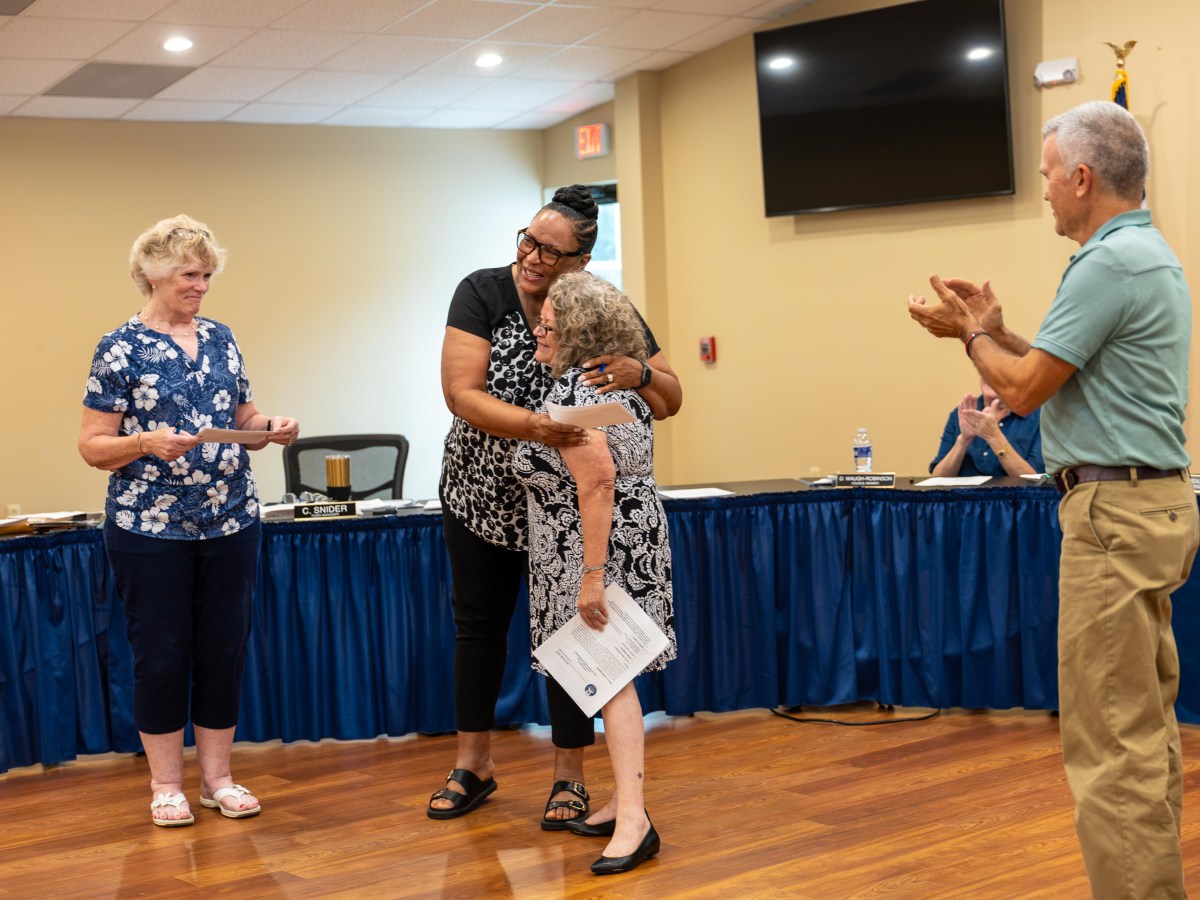
Town more than doubles this year’s funding for two Orange food pantries as need grows
“Right now, the high cost of food, the high cost of gas, living expenses — everything has contributed because now we have more people depending on us to feed their families,” Good Samaritan Program Director Valencia Bailey said.


501 Cherry development in Fifeville moves on without the Charlottesville Food Co-Op
The Co-Op is looking for another location while the project partners continue searching for an operator for the development’s grocery store.


Virginia launches new emergency food assistance program amid federal shutdown
SNAP recipients will receive weekly assistance from the state starting in November until the federal government reopens.


Federal government shutdown strains local food network and is likely to get worse — here’s what to know and how you can help
With possible federal aid delayed and demand soaring, local food pantries share their concerns and ways to help.
Lisa Draine hopes that in 20 years, co-ops will flourish in central Virginia
Draine is on the steering committee for the Charlottesville Food Co-op, which aims to build a community-owned grocery store in Charlottesville.

More local News

Charlottesville Inclusive Media continues internship program for its second year
The program gives students and early-career professionals hands-on experience in journalism, digital media and audio production.


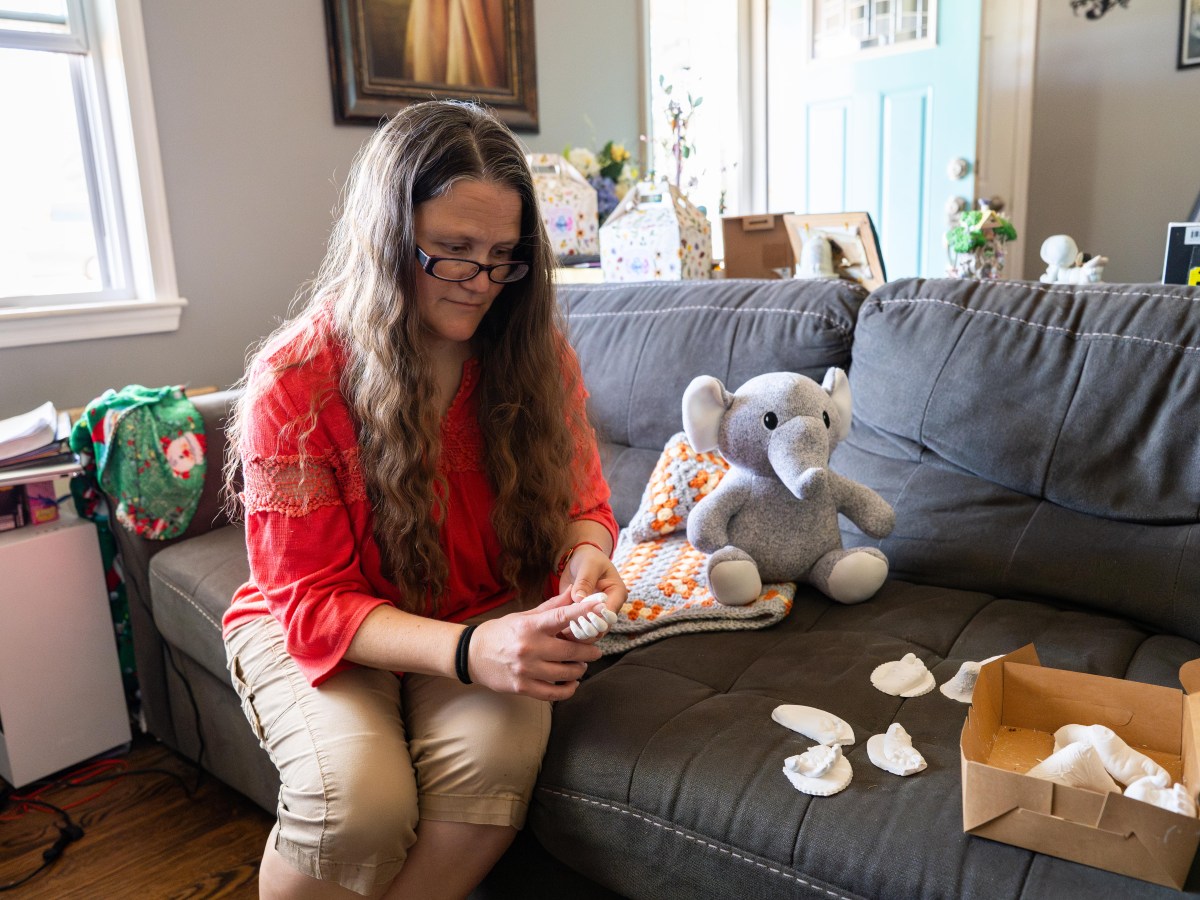
Rural Virginia communities face real and lingering consequences from labor and delivery unit closures
Mothers and their children are at greater risk for negative health outcomes as their access to care shrinks in central Virginia and across the country.
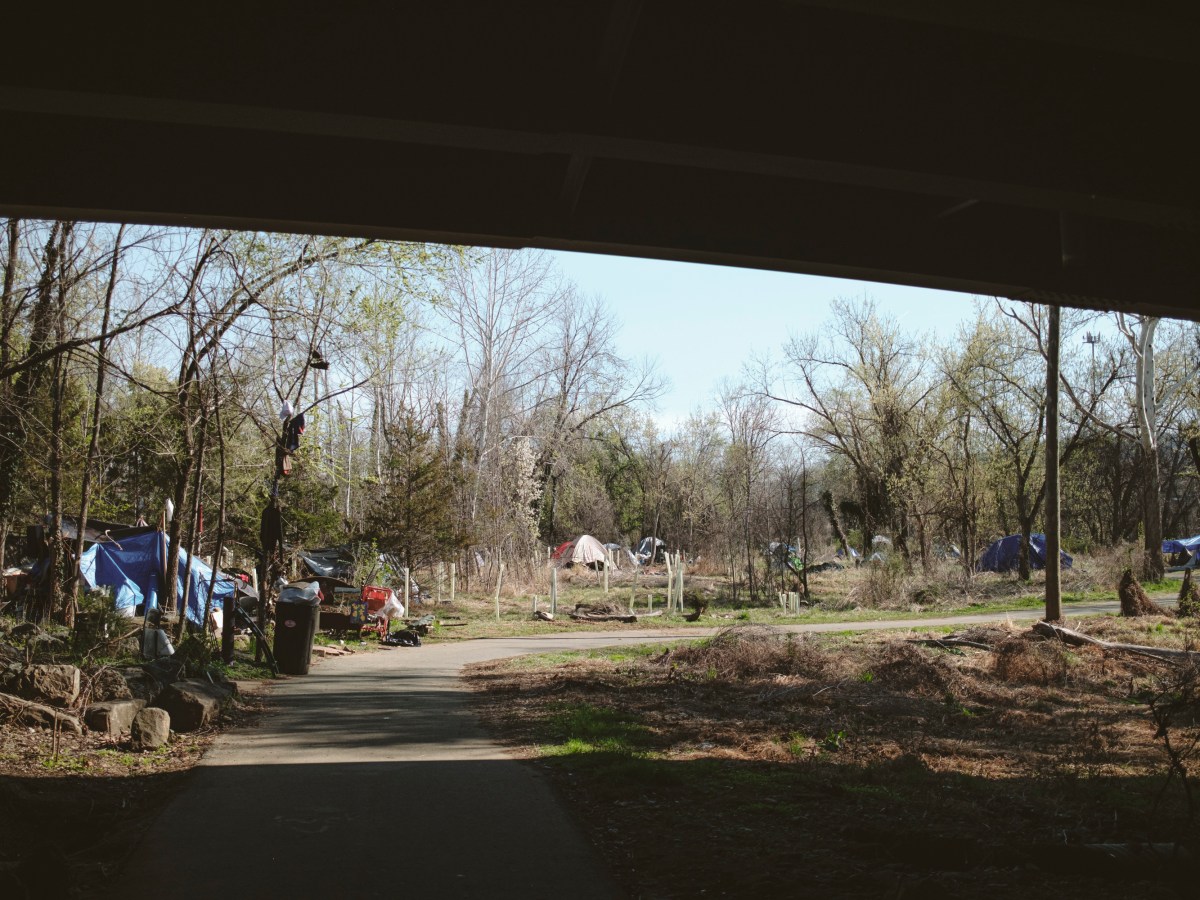
Free Bridge encampment residents say they’re still in the dark as city’s Sept. 1 deadline nears
With two weeks to go, Charlottesville does not yet have a clear path for opening an emergency shelter space for the unhoused people who will be displaced.
Charlottesville Tomorrow reporter awarded prestigious Knight-Wallace Fellowship
Public health and safety reporter Anastasiia Carrier is one of 19 talented journalists from across the globe selected for the 2026-2027 program at the University of Michigan.

Why Orange has Virginia’s shortest mayoral term — and why that may change
Residents are encouraged to give their input on whether to lengthen the term to two years during Orange Town Council’s next meeting on Monday, Aug. 17.