

On September 1, the City of Charlottesville will clear an encampment that has grown along the Charlottesville bank of the Rivanna River, at Free Bridge and 0 East High St. Residents of the encampment — some of whom have lived there for two or three years — will be forced to leave and will not be allowed to return to camping in the area, which is located along a public trail.
“Effective Sept. 1, anyone currently on that property is subject to arrest and prosecution,” Charlottesville Police Department’s Public Safety Information Officer Kyle Ervin told Charlottesville Tomorrow in an email on Aug. 24. “CPD hopes individuals currently at the encampment avail themselves to the services of 2000 Holiday Drive.”
That’s where the city will open an emergency shelter, also on Sept. 1, City Manager Sam Sanders confirmed to Charlottesville Tomorrow in an email on Aug. 25. People displaced from the encampment will be able to go there, but many encampment residents are skeptical. They say that they’ve been in the dark about who will run the shelter and how.
For the past couple of months, Jennifer Grant and Donnas “Dee” Chambers, both encampment residents, have attended City Council meetings, asking the most powerful city officials to hear their ideas for how to make the transition safe for them and their neighbors. At one meeting, on Aug. 17, Grant told City Council, “You guys need to come up with another plan and you need to come up with another plan fast. Because this shelter idea, it’s not going to work.”
If people don’t think the shelter will work for them, Grant and Chambers say, people won’t go to it. They each sat down with Charlottesville Tomorrow to share their visions for a transition process and a shelter that they believe could work.
The following interview transcripts have been combined and condensed, and lightly edited for clarity.
Over the past few weeks, you’ve spoken publicly about the city’s mishandling of preparations for the encampment clearing and shelter. What should have been done better?
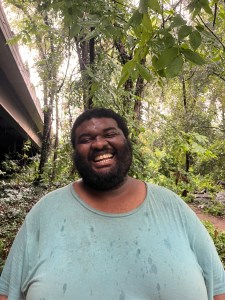
Dee Chambers: Communication, that’s the biggest thing. How do you know what people need if you’re not communicating with them? And that’s anybody — you don’t know what someone’s going through, or what they need, if you don’t communicate with them. That’s not just homeless people. That’s regular people. That’s anybody in life, any situation. They made communication for a reason. Ask, “Why are you in this situation? What do you need to get out of this situation?” And if they were doing that, I can almost bet you there wouldn’t be as many homeless people as there are now.
If you want us to go into the shelter, fine. But before we go into the shelter, they need to have it set up to deal with people that may have drug addiction, mental health problems, other problems. Not everybody down here has a mental problem, and not everybody who’s down here uses drugs. They might just need support in other ways.
If you don’t have these systems set up, just throwing people in a shelter and not having it set up is not going to work. People have found a way to cope with their mental health. They’re not all of a sudden going to stop what they’re doing and think that the city has their best interest in mind when the city hasn’t shown no interest in these people.
Let’s say they get 40 people there on the first day. There’s no way they’re going to get through 40 people one day, set them up with the right resources they need.
People are going to be waiting in line like they’ve been doing, and they’re going to get tired of it and say, “No, I’m gone. I’ve been waiting before, I’m done with this process.” That’s because the city rushed everything.
This stuff should already be connected with the shelter. It shouldn’t be, get people in there, run around and maybe two, three months down the road find the resources that a person needs.
The city should have had a team coming out, giving water and food, making sure everybody’s okay when it’s hot. They should have been setting people up so that when the shelter or housing become available, people would be in a good mental health or body space to where they can go in this shelter instead of having anxiety attacks or panic attacks, which is what’s happening right now.
If you get people the help they need, then that shelter will work. But if you don’t…

How would you design this shelter?
Dee Chambers: Most people don’t want to be homeless, but they can’t find the help that they need. Before I even bought this shelter, I would have put a team together to work with the people, to see what people need, to see what their problems were. And then we would go about designing the shelter to fit people’s needs, because if you’re designing a shelter that doesn’t fit people’s needs, what’s the shelter? You could build the biggest building you want, but if you ain’t got people in it, you’ve just got a big building.*
*Editor’s note: The city purchased 2000 Holiday Dr., where the emergency shelter will be located, for approximately $6.2 million in fall 2025. The idea was to open a permanent overnight low-barrier shelter, something that does not currently exist in the city. Officials say that work on the permanent shelter can begin while the temporary emergency one is operating.
It would definitely have mental health care, a psychiatrist, therapist, resources for housing, group therapy, Alcoholics Anonymous, Narcotics Anonymous, counseling, addiction treatment. Stuff like that to help people get back on their feet and out of the situation they’re in.
Jennifer Grant: First of all, I would ask the people that are gonna go there, what do you need? And I wouldn’t try to open it in 30 days because it’s clearly not gonna work.
I would ask people what they need to get on their feet. I would ask what medical assistance they need. How many people are in a wheelchair, on walkers, on CPAP machines? How many people are diabetics?
I’d have more Region 10 contact, more involvement, more hope for people. Things like case management and therapy. Sit down, get to know them. These are not bad people. We may have flaws, but who doesn’t? Give people a chance.
The city’s not giving anybody anything to go on. They’re basically saying they’ve got three little rooms that they’re designing, to put everybody in. And the bathrooms and showers should not be outside.*
*Editor’s note: The city signed an emergency agreement with Central Arizona Shelter Services (CASS) on Aug. 26 to operate the shelter. The diagram they provided shows exterior bathrooms in a “proposed restroom trailer,” though it says this is not necessarily the “final configuration.” Read more about the agreement in Charlottesville Community Engagement.
I’d also have things for us to do. Chairs to sit outside around a garden or table. People could work at the shelter, get paid for cleaning, stuff like that. That way, they’re getting a paycheck, saving money so they can get out of the shelter and get housing.
What safety measures would you like to see at the shelter?
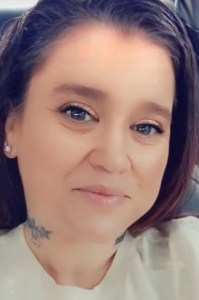
Dee Chambers: They’re saying, women on one side, men on the other side, and put up dividers. “We’re going to have somebody in this area at all times, somebody in that area at all times.” What if this person decided to take a smoke break?
You gotta think like a person who wants to commit a crime. They’re gonna be watching routines, what you’re doing, thinking, “How can I do this without getting caught?” They’re already sitting down, thinking about these scenarios before they even get in there.
If I was building it, nobody would be in the shelter if they didn’t have a room where they could lock the door. That’s a big thing we’re advocating for. If we’re not offering for someone to lock the door so they can feel comfortable locking the door and going to sleep at night, then what are we doing?
Say someone goes in there and jumps on a girl. Staff comes and grabs him off her, but the trauma’s already done. They say, “We try to do stuff for sex offenders.” I understand that completely. But there is a fine line between putting someone in danger and helping someone.
For someone going through their mental health issues, if they had a place they could lock the door, go sit down and shut everything out, get away from all the noise, all the people, count to 10 — whatever they need to do just so they can get through their mental health issues. That’s hard to do in a public place with everybody talking and moving around, with stuff here and stuff there. It’s extremely hard, especially for people dealing with anxiety and stuff.
Jennifer Grant: Privacy, privacy. You’ve got to have privacy. The way the shelter’s being proposed, with lots of people in a room, you got more privacy in jail — you have a room where you can get away. People need privacy. This is where mental health comes in. I have PTSD, anxiety. I don’t want nobody walking around my head at night. I don’t like anybody behind me, or walking around my headspace.
They said they’re going to have a desk in each room where somebody’s going to sit, and people are going to do their walkthroughs. That’s not going to stop anybody. That’s not going to stop someone who’s having a bad day from going outside into the shower or the bathroom and relapsing. What are the safety precautions out there?
Where are the safety measures for men and women to be safe when, let’s say you have somebody that has had a domestic violence case way back in the day, and they’re both in the shelter, and one wants to retaliate on the other?
I would feel safer if I could have my own room. I have to be able to clear my mind, because I am battling other stressors in life.
What can the city and the Central Arizona Shelter Services (CASS), which has been contracted on an emergency basis to operate the shelter, learn from existing local shelters and homeless services?
Dee Chambers: A lot of people are out here homeless because they tried to go to these places and they got turned away. These are — and I don’t want to say the worst of the worst, because it sounds bad — but these are the people that need the most help, that have the most problems, anxiety, schizophrenia. They need the help, but shelters turn them away.
There’s definitely been room for something new and different, it just hasn’t happened. They don’t have somebody in these city meetings supporting the homeless people, going out there, talking to them, and figuring out what they need. They’re making decisions for homeless people and it’s got us nowhere. People are still homeless.
Jennifer Grant: Some places help who they want to help, and that’s not fair. They need to think about what they’re doing to people that are begging for help and getting turned away. Otherwise, it’s not going to get better.
The type of shelter we’ve talked about is possible. The shelter’s not a bad idea, but it’s how they’re going about it.
What’s missing from local shelter and homeless services that you want to see?
Dee Chambers: A place for single dads with kids.
Jennifer Grant: Help for mothers and fathers with children. The city needs a lot more mental health resources, too. There’s nobody for these people to reach out and talk to when they’re having a problem. Because people have depression, mental health problems, we’re being pushed away? It makes us not want to reach out for help. I went to Region 10, begged for help, begged for help. I got turned away at the door. It makes me want to give up. Why do I want to reach out for help when I’m just going to get turned away again?
A new shelter alone won’t end homelessness. What other resources do folks need to get off the streets?
Dee Chambers: There’s definitely a need for more housing vouchers. But if they get these housing vouchers and you’re not providing places for them to go, the voucher is useless. They’re building in Charlottesville, but they’re building for college kids, which sucks. What about your residents? It’s not just homeless people who need more housing. If you hadn’t took away all these places for people to stay, you wouldn’t have as many people out on the streets as it were! But now you’re talking about taking away another area? Imagine how the homeless population is going to increase because you’re taking away another area.
Jennifer Grant: Housing. You’re not going to qualify for a lot if you have a record. And help with housing. It would push some of these people that have poor mental health or abuse substances a little bit further to where they might say, “Hey, I’m building myself back up. I’m not depressed anymore. I can go get a job. I can do this.” What the city needs to do is say, “Hey, we’re putting this amount of money to the side. We’re gonna pay these people’s rent for three months, six months, and after that, you’re on your own.” We would look at that like they’re really trying to help us. And with that, some people don’t know what it’s like to have a house, so, there should be some help with, “You gotta do this, you gotta do that.”
Take action
Here’s a guide for Charlottesville and Albemarle County residents.
Are you a renter who needs help? Find local agencies and programs to connect with in Charlottesville and Albemarle County in Charlottesville Tomorrow’s Housing Resource Guide.
What could the city do to regain your trust?
Dee Chambers: They should show up, put out the effort, show that they care. One, shut down this September 1 deadline and actually build the shelter up properly to support the people they’re going to put in there. If they don’t want us at the encampment, okay. Give us a designated area to move to until the shelter is properly built up. If they had to, give us another encampment area. We wouldn’t mind packing up and going there, even though it is outside. And then we’ll know they’re working on this shelter, that they’re building it up properly for us.
Jennifer Grant: Honesty, communication. Give us the respect that they want for themselves. They don’t want us to come and camp out in their yard, ride by their house and take pictures. Do they want us to stand outside and give them a date to leave their house? Look at us as human beings. Treat us with respect — I think we’ve earned it. We haven’t been bad down there. Just because one person does something wrong down there, that ruins it for everybody?* That’s not fair. Give people a chance.
*Editor’s note: Two sexual assaults have been reported at the encampment, one July 9 and another July 27, according to CBS 19 News reports.
How can Central Arizona Shelter Services (CASS) establish trust with unhoused community members?
Dee Chambers: Bridge-building, building that relationship between you and that person, or you and whoever. I actually like CASS. I think he [Richard Southee, CASS Director of Compliance and Continuous Improvement, who lives in Charlottesville and will run the Holiday Drive shelter would run a good shelter. The thing of it is, CASS would be working for the people that’ve been putting their foot on our necks. So, they get put in that light, too, which sucks.
Jennifer Grant: They have to get to know us. They have to be open. They can’t have a closed mind. They have to accept us for who we are.