
A trial over Charlottesville’s zoning ordinance will be heard by a jury, but not until next year.
In January 2024, a group of Charlottesville residents sued the city over the ordinance, which the City Council passed unanimously in December 2023 and which took effect in February 2024. Broadly, it allowed for more residential density throughout the city, something known as “upzoning.” Officials and some community members hoped that the new ordinance would open up more affordable housing opportunities for people of various economic statuses.

The suit alleges that the city did not follow the law when it passed its Comprehensive Plan in November 2021, specifically that it only sent the transportation chapter, and not the entire plan, to the Virginia Department of Transportation, and therefore the plan is void. If the Comprehensive Plan is void, the plaintiffs argue, so is the zoning ordinance based off of it.
The case was headed for trial when, on June 30, 2025, Charlottesville Circuit Court Judge Claude Worrell issued a default judgment in favor of the plaintiffs — attorneys with Gentry Locke, the law firm the city hired to handle the case, missed a filing deadline.
Worrell instructed the city to revert back to its old zoning code.
The decision propelled the state of development in the city into confusion, as city officials and developers alike worked to understand what that meant for developments both already underway and in the planning phase.
Then, during an Aug. 13 hearing, the city asked Worrell to reverse the default judgment. The plaintiffs asked him not to.
Just over a week later, on Aug. 22, Worrell reversed his decision in a written opinion, allowing the suit to proceed to trial. While the court system has no power over a locality’s zoning ordinance, and no place in weighing the merits of it, Worrell wrote, the court is responsible for determining whether a locality followed state law while creating that ordinance.
The jury trial is set for 9:30 a.m. on Tuesday, September 8, 2026, in Charlottesville Circuit Court.
Until a decision is reached, the city will continue to review development applications per the 2024 code — the one the suit is challenging — City Spokesperson Afton Schneider told Charlottesville Tomorrow in an email.
While we can’t cover every story that’s important to you, we do our best to be responsive to your needs. We use tips from readers to choose which stories to cover, to incorporate information into broader reports or to help us decide how to grow Charlottesville Tomorrow. Here’s where you can tell us what you think we should be covering.
More about housing and zoning in Charlottesville

Proposal for 11-story luxury student housing building next to Westhaven becomes focus of city’s past and its future
“This is not repair. This is not healing. This is exclusion dressed as development,” Latricia Giles, executive director of the Public Housing Association of Residents, told the Board of Architectural Review during its Tuesday, Aug. 19 meeting.


Some affordable housing projects in limbo after judge voids Charlottesville’s new zoning code
“The city of Charlottesville needs these units,” John Sales, executive director of the Charlottesville Redevelopment and Housing Authority, said. “We have thousands of folks on our waitlist who need housing, and the only way we’re going to be able to serve those folks is if we’re building those units.”

Charlottesville working toward settlement of zoning lawsuit, taking steps to reinstate 2024 code if necessary
Amid the ongoing lawsuit against the city, developers have been left wondering what’s next for projects that are already underway.

Judge’s ruling means Charlottesville has no zoning laws whatsoever right now
Without a valid zoning ordinance, city leaders have no legal tool to regulate land use or development — something they say they’re working urgently to fix.

More local News

Stanardsville Town Council Q&A turns up a warning about the town’s water supply
“I encourage the voters of Stanardsville to politely contact the Greene County Board of Supervisors to accelerate improving the water situation,” said candidate Kevin Kelley. “We are currently at the edges of water capacity, and urgently need a better water system.”

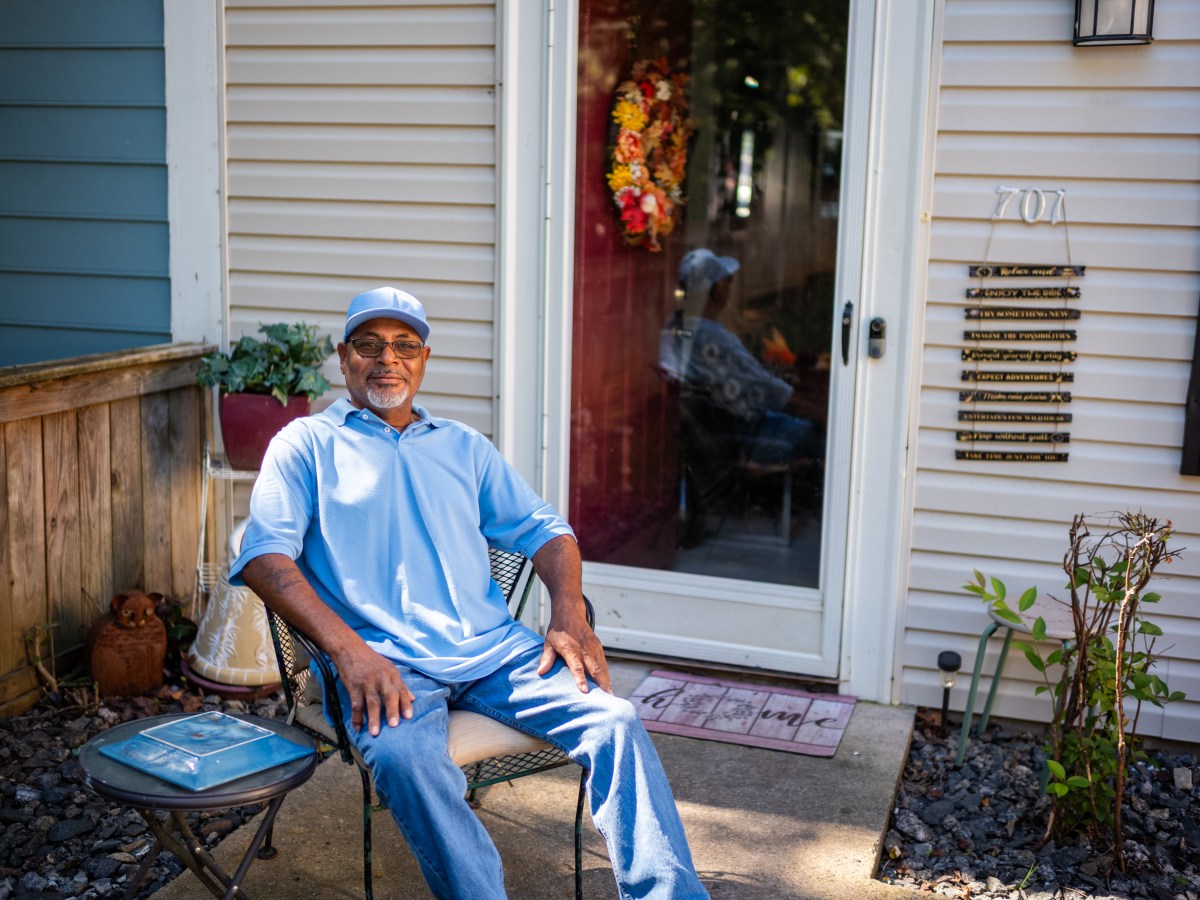
Homeownership is out of reach for many community members. Two local organizations are working to change that
By using different approaches to real estate transactions, such as the community land trust model, local nonprofits are opening up homeownership to buyers with lower incomes.
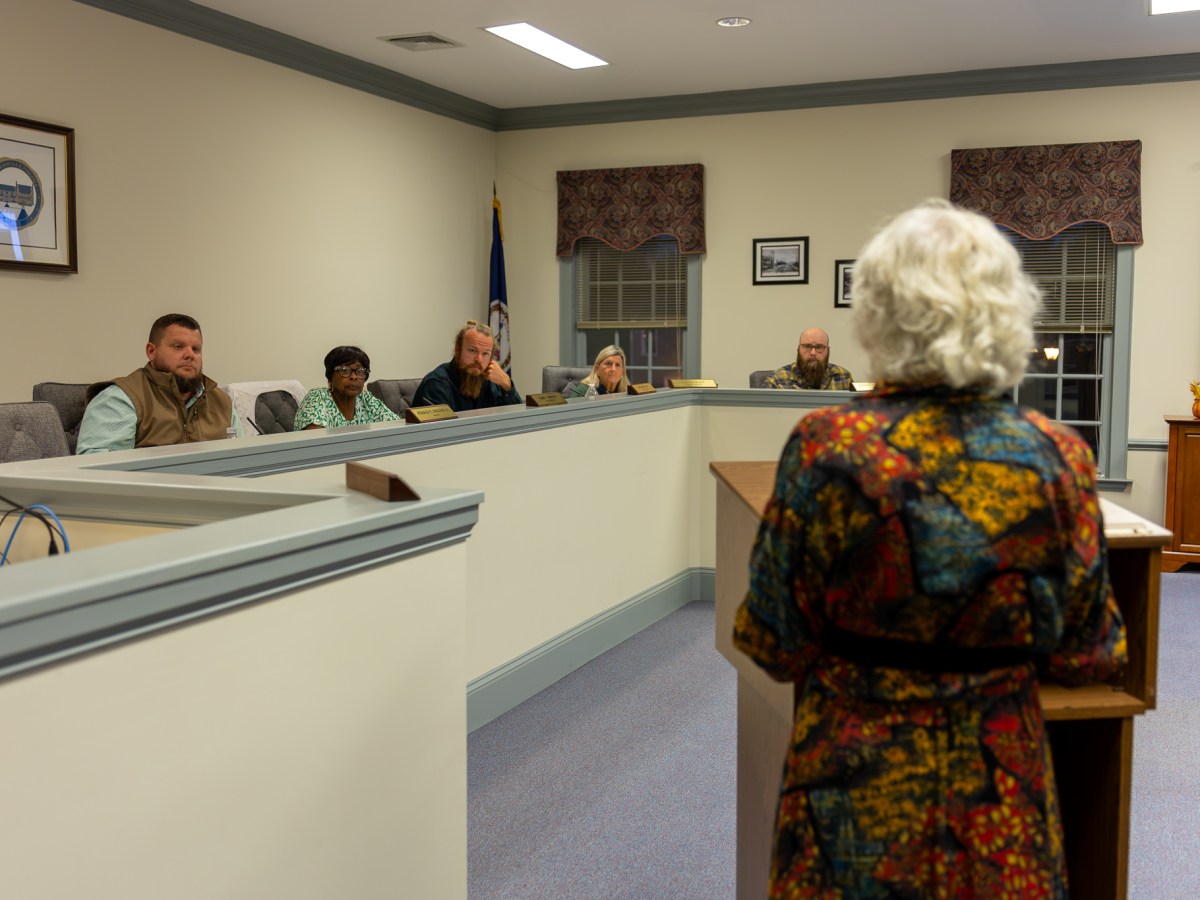
After residents speak out, Gordonsville votes to end ICE contract
“We are getting a lot of material benefits from the agreement, but they’re at the cost of some really profound human rights,” one resident said.


Thousands of Virginians with past felony convictions are now eligible to vote, but might not realize it
All Virginians with felony convictions are now automatically granted voting rights upon release from prison, except for those with convictions of murder, voluntary manslaughter and involuntary manslaughter.


‘Aquí Estamos:’ Meet the farmworkers who help feed central Virginia
An upcoming photography exhibition in Nelson County will share the stories and experiences of local immigrant farmworkers, in their own words.