
The U.S. Supreme Court has declined to halt a Virginia Supreme Court ruling that nullified the state’s April 21 redistricting election. The decision marks an end to the fight over redrawing Virginia’s congressional district lines in the leadup to the November elections.

On May 8, the Virginia Supreme Court ruled 4-3 that the General Assembly violated the state constitution when it tried to redraw congressional districts, effectively voiding the results of a special election in which Virginians narrowly approved the redistricting referendum.
Virginia Democrats responded with a request to the U.S. Supreme Court to grant a stay pausing the state ruling while they prepared to file an appeal. On Friday, May 15, however, the U.S. Supreme Court handed down a unanimous, one-sentence ruling denying the stay without further comment.
According to reporting from CNN and other outlets, the request for a stay was seen as a longshot attempt to be able to use the newly drawn district map, which favored Democrats, in the November elections. WTOP reported that even before the ruling had occurred, Gov. Abigail Spanberger signaled the end of the redistricting battle during a visit to Fairfax on May 13, saying that the state’s May 12 deadline to make any changes to the map had passed and that the 2026 elections would take place according to the old map.
For Virginia voters and candidates, the U.S. Supreme Court decision means that the upcoming elections will move forward with the same map that has been in place since it was adopted in 2021.
Virginia Democrat’s redistricting attempt occurs in the larger context of a nationwide fight for control of the U.S. House of Representatives. In 2025, President Donald Trump urged Republican politicians to redraw their lines to favor the party ahead of the 2026 midterms. By August, Texas became the first state to do so, redrawing five House districts currently represented by Democrats to lean more Republican.
Since then, both Republican and Democrat lawmakers have been hurrying to redraw district lines to increase their own parties’ representation in Congress. The technical term for that tactic is gerrymandering, or the strategic manipulation of district boundaries to give one political party or group an unfair advantage over another.
Organizations like the nonpartisan Fair Elections Center argue that gerrymandering creates disparities in representation and can discourage voters from participating in elections, leading to lower turnout. ABC News recently reported that up to a third of Congressional Black Caucus members across the country are at risk of losing their seats as a result of the redistricting fight.
Under the current map, Virginia has a nearly even distribution of House districts between the two parties, with 6 Democrat-leaning districts and 5 Republican-leaning districts. The new map struck down by the courts would have had a 10-1 ratio of Democrat versus Republican districts.
The decision also comes as a blow to Democrats in the nationwide battle over attempts to limit aspects of the Voting Rights Act, particularly Section 2, which prohibits voting practices that contribute to race-based discrimination. In late April, a landmark decision by the U.S. Supreme Court’s 6-3 conservative majority determined that courts can no longer use race as the primary factor to require creating new majority-minority districts, raising the threshold for a violation of the Voting Rights Act of 1965 to proof of intentional discrimination.
According to a report from NPR, The U.S. Supreme Court sent two additional cases involving Section 2 of the Voting Rights Act back to lower courts on Monday, May 18, potentially limiting the ability of individuals to bring lawsuits to enforce the act.
While we can’t cover every story that’s important to you, we do our best to be responsive to your needs. We use tips from readers to choose which stories to cover, to incorporate information into broader reports or to help us decide how to grow Charlottesville Tomorrow. Here’s where you can tell us what you think we should be covering.
More on redistricting
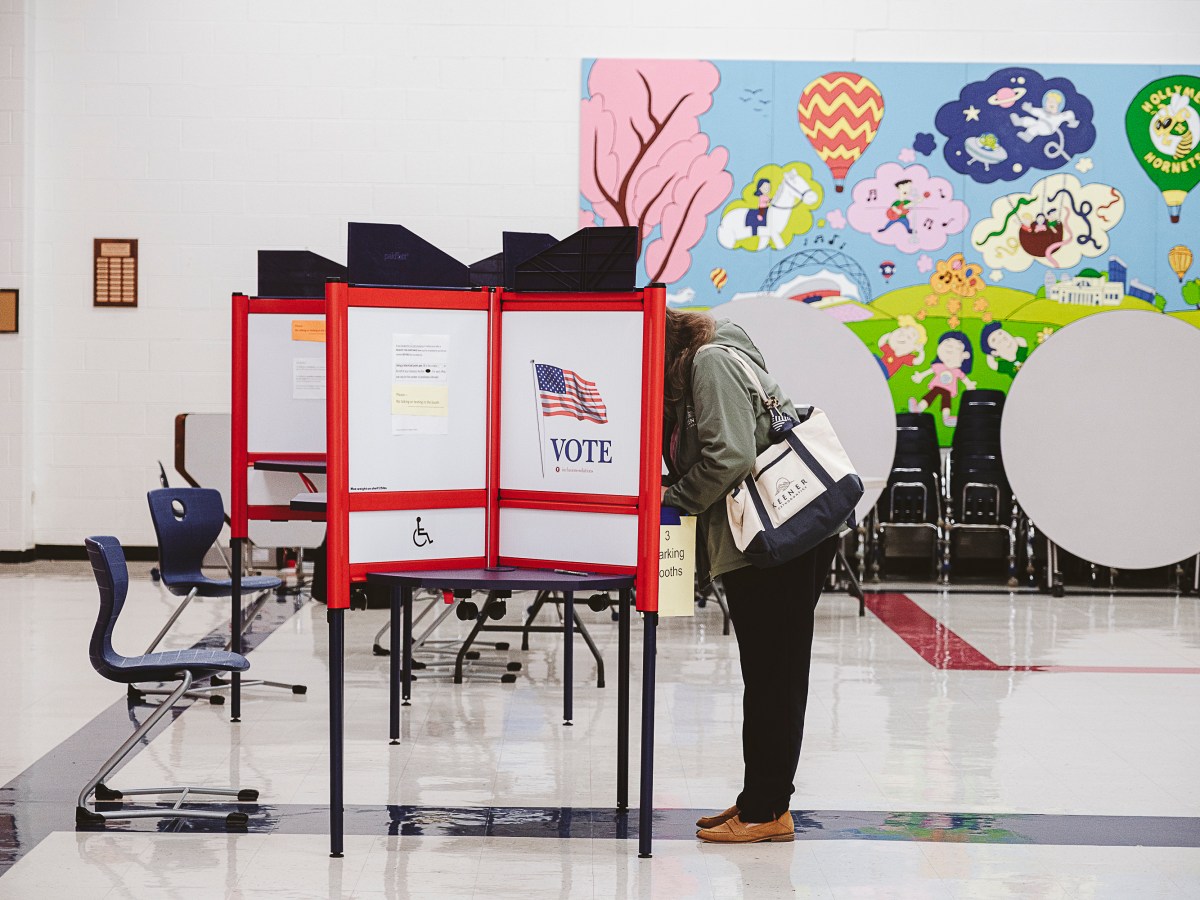
Virginia Supreme Court voids voter-approved redistricting referendum
The court’s ruling overturns the results of the April special election that saw high voter turnout and millions of dollars spent on campaigning efforts.

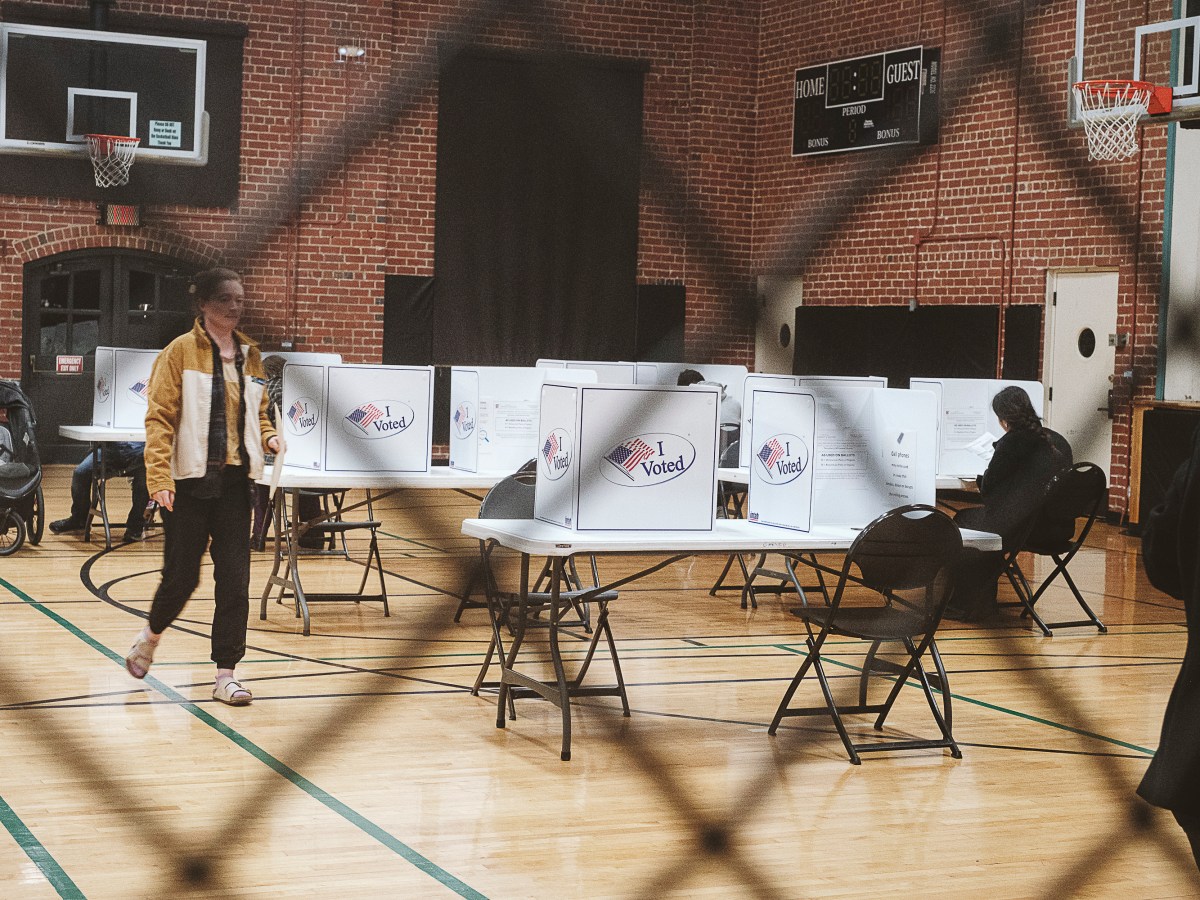
Virginia’s redistricting battle moves to the courts
Attorney General Jay Jones vows to appeal as early voting fast approaches.


What does a ‘yes’ or ‘no’ vote actually mean in Virginia’s special election on redistricting?
Voters are getting mixed messages. Here’s a clear breakdown.
More local News

Free community forum will spotlight rising food insecurity among local immigrant families
Advocates say recent immigration enforcement has left many families struggling to afford groceries and other basic necessities.

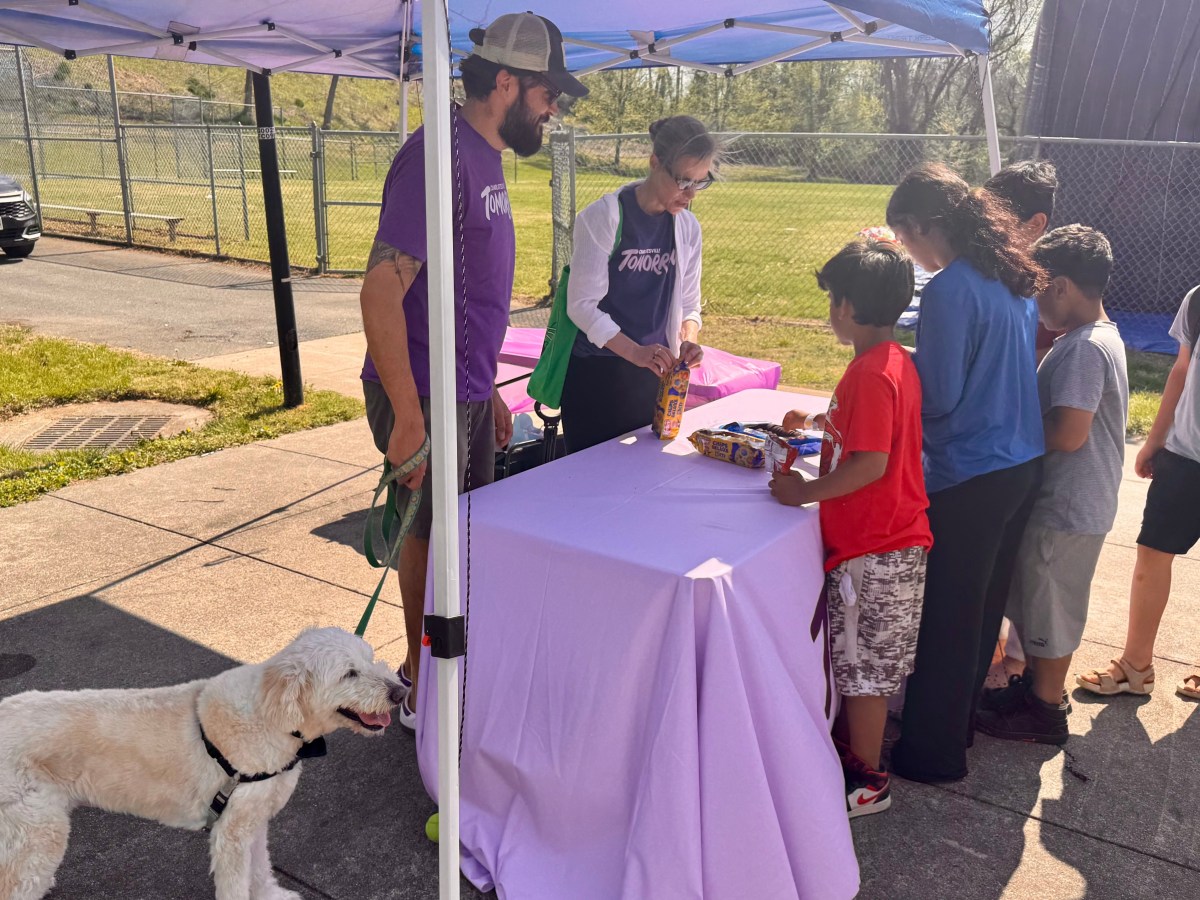
Meet our Central Virginia Voter Guide team at the Orange County Fair
Share what’s on your mind about local issues and what you’d like us to ask local candidates.



Virginia’s measles outbreak spreads to Cumberland County
“As this outbreak expands to Cumberland County, I ask for the community’s help to stop measles from gaining further ground by ensuring you are vaccinated,” said Maria Almond, director of Piedmont Health District.
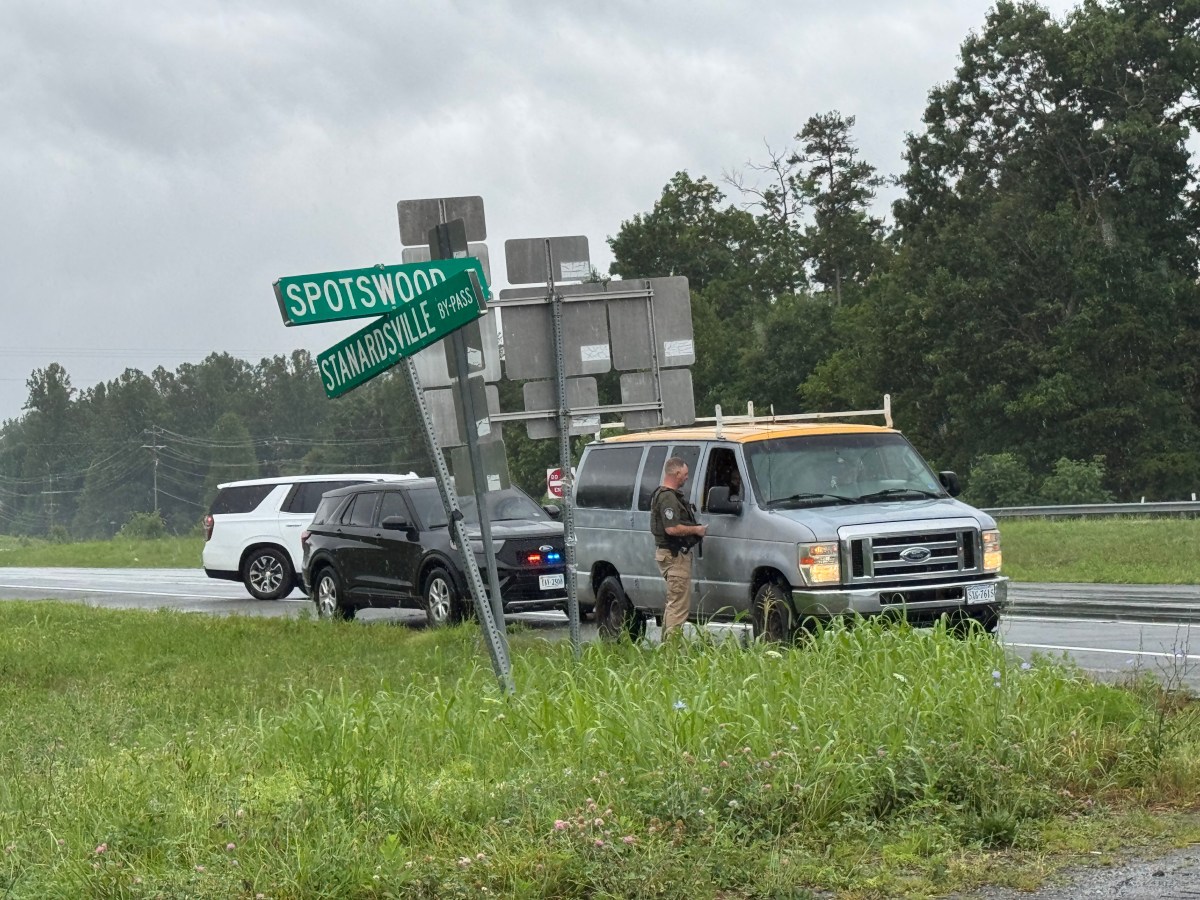
ICE and Greene County Sheriff’s deputies arrest numerous people in Ruckersville operation
“What will haunt me is that there were so many empty vans and cars on the side of the road from people that they had taken,” said attorney Andrew Wilder Young. “That’s going to stick with me for the rest of my life.”


After the arrests of two ACPS staffers for sexual crimes involving children, here are some resources to help families
As community members in Albemarle County continue to process the recent arrests, here are local and national mental health and child safety resources.